News Summary
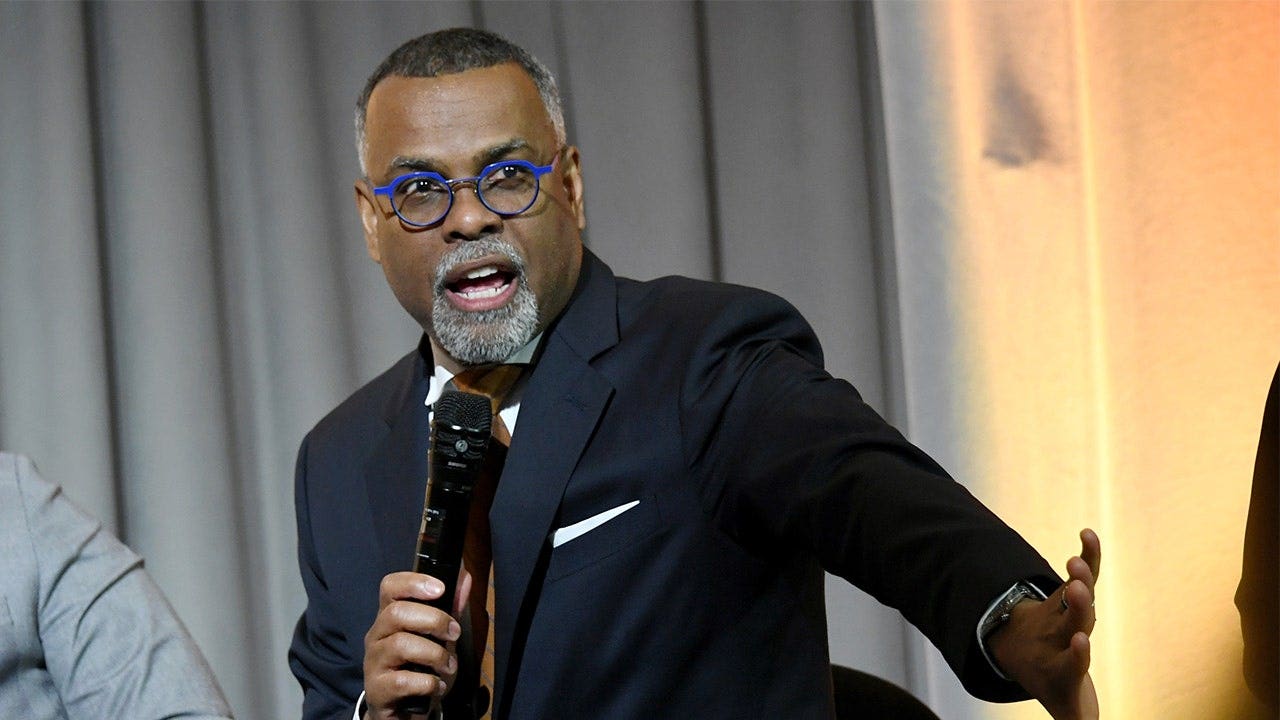
On NBC’s Morning Joe, Princeton professor Eddie Glaude Jr. said he felt “great trepidation” about celebrating the United States’ 250th anniversary, saying he questioned “what are we actually celebrating.” He told hosts he feared the country was being “destroyed,” criticized what he described as the blending of Donald Trump’s “cult of personality” with national celebration, and argued that some Americans promote a vision of the U.S. as a “White Republic.” Glaude urged confronting the nation’s historical contradictions and said he had a “blue-soaked hope” in human beings despite his doubts about patriotic expression. The article also cites comments from other media figures—Mike Barnicle saying he still takes pleasure in patriotic symbols while noting historical contradictions, and mentions that MSNBC figures (Ali Velshi, Joy Reid, Al Sharpton) have also expressed unease about celebrating the 4th of July, especially from a Black American perspective.
Biblical Reflection
Glaude’s remarks reflect deep moral and civic concerns about national identity, racial injustice, and political polarization—issues Christians should neither dismiss nor weaponize. The core claim—that America’s founding and practices are in tension—is broadly supported by historical facts and longstanding public debate; calling for honest self-examination aligns with biblical calls to confession and repentance. At the same time, media selection and framing can amplify alarm by privileging extreme language and partisan contrasts; readers should note that an opinion segment and a news summary are not the same as comprehensive analysis of policy or social trends. Pastoral wisdom calls Christians to hold both truth and hope: acknowledge injustices, work for justice and reconciliation, resist narratives that reduce the nation to a single tribe, and practice humility and love when critiquing fellow citizens. Be cautious of interpretations that foster despair or demonization; Christian engagement should combine prophetic truth-telling with constructive pursuit of the common good.
Scripture in context
This outlook does not yet include contextual Scripture citations. Do not treat a general biblical theme as an exegetical conclusion.
Faithful Response
No prescribed response is offered. Consider the reflection prompts below in your own church context.
Reflection and Discussion
- 1Are we responding to critiques of the nation by listening for honest correction or by retreating into defensive nationalism?
- 2How might media framing (choice of guests, quotes, and emphasis) shape whether we feel hope or despair about the country’s future?
- 3Do our civic commitments rest on a creed we can re-form together, or on cultural identities that divide us—how should Christians weigh both?
Sources
Reporting links are evidence inputs; Sanctuary News' biblical reflection is commentary.
This outlook currently relies on fewer than two linked sources. Broaden verification before teaching from it.
- 1.Original reportprimary