News Summary
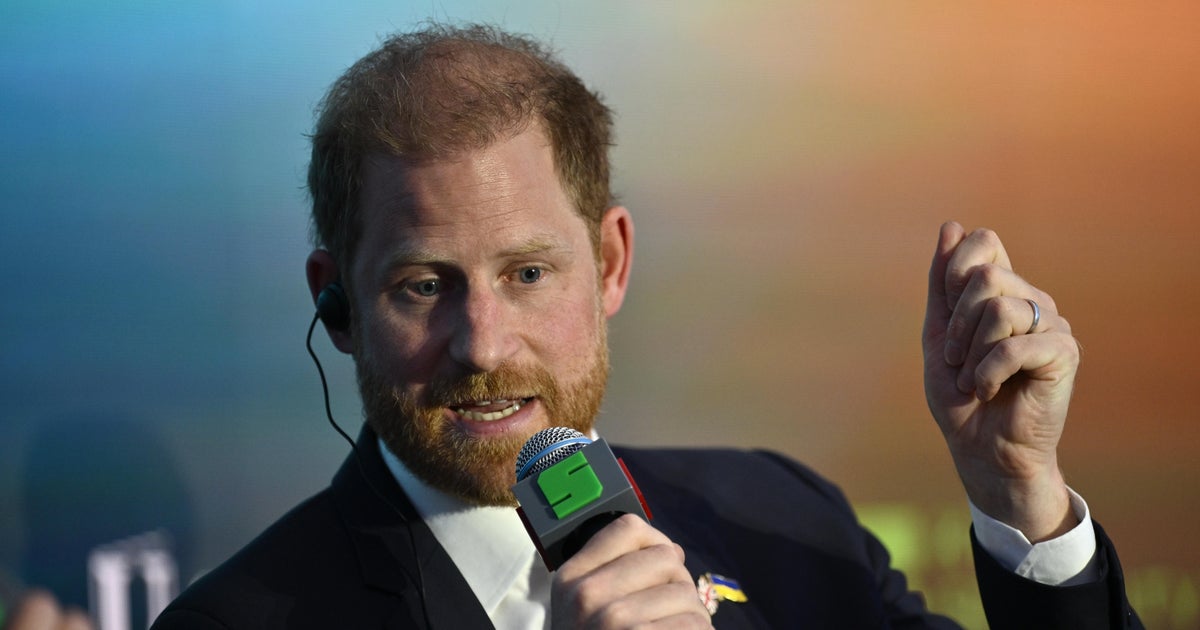
Prince Harry, the younger son of Britain's King Charles, made an unannounced visit to Kyiv and spoke at the Kyiv Security Forum on April 24, 2026. He praised European support for Ukraine, urged the United States to do more and to honor international security assurances given when Ukraine relinquished nuclear weapons, and called for faster and sustained assistance. He characterized the conflict as an ideological struggle between liberal democracies and authoritarian powers and said forcible transfers of Ukrainian children to Russia could constitute war crimes or genocide when done with intent to destroy a group's identity. After his address, Harry planned visits to participants in his Invictus Games Foundation and to the Halo Trust charity. President Trump, asked about Harry's remarks at the White House, said Harry does not speak for the U.K. and made a personal remark about Harry and his wife. The trip is Harry's third to Ukraine since Russia's 2022 full-scale invasion. The visit followed warnings from President Volodymyr Zelenskyy about waning global attention as conflicts elsewhere draw focus.
Biblical Reflection
From a Christian perspective, the article records a private royal's public advocacy for justice, security, and protection of the vulnerable. Harry's appeal centers on honoring promises and acting to protect civilians—concerns that align with biblical commands to defend the vulnerable and pursue justice. The report also highlights media and political dynamics: a celebrity with moral influence pressing geopolitical actors to act, and a U.S. president responding by stressing diplomatic boundaries and personal remarks. Christians should note two tensions: (1) the difference between moral exhortation and official state responsibility—private voices can call for righteousness, but policy is made by governments accountable in different ways; (2) the risk of personality-driven coverage distracting from sustained policy and humanitarian needs. The article's factual claims about child deportations and treaty assurances echo widely reported concerns; Christians should affirm the moral seriousness of abuses against children and the need for truth, accountability, and compassionate aid. At the same time, believers should avoid turning celebrities into substitutes for prayerful, informed civic engagement, and should steward compassion into tangible support for refugees and victims. In evaluating the piece, watch for emphasis on personal drama (royal status, presidential quips) that can overshadow the persistent human suffering and policy choices at stake.
Scripture in context
This outlook does not yet include contextual Scripture citations. Do not treat a general biblical theme as an exegetical conclusion.
Faithful Response
No prescribed response is offered. Consider the reflection prompts below in your own church context.
Reflection and Discussion
- 1Are we allowing the prominence of a public figure or media soundbites to shape our view of a complex international crisis more than the underlying facts and needs?
- 2How should Christians distinguish between respecting private moral appeals and holding governments accountable for treaty obligations and the protection of the vulnerable?
- 3Does our concern for geopolitical correctness lead us to prioritize political posturing over practical care for victims (refugees, deported children, wounded veterans) who need sustained help?
Sources
Reporting links are evidence inputs; Sanctuary News' biblical reflection is commentary.
This outlook currently relies on fewer than two linked sources. Broaden verification before teaching from it.
- 1.Original reportprimary