News Summary
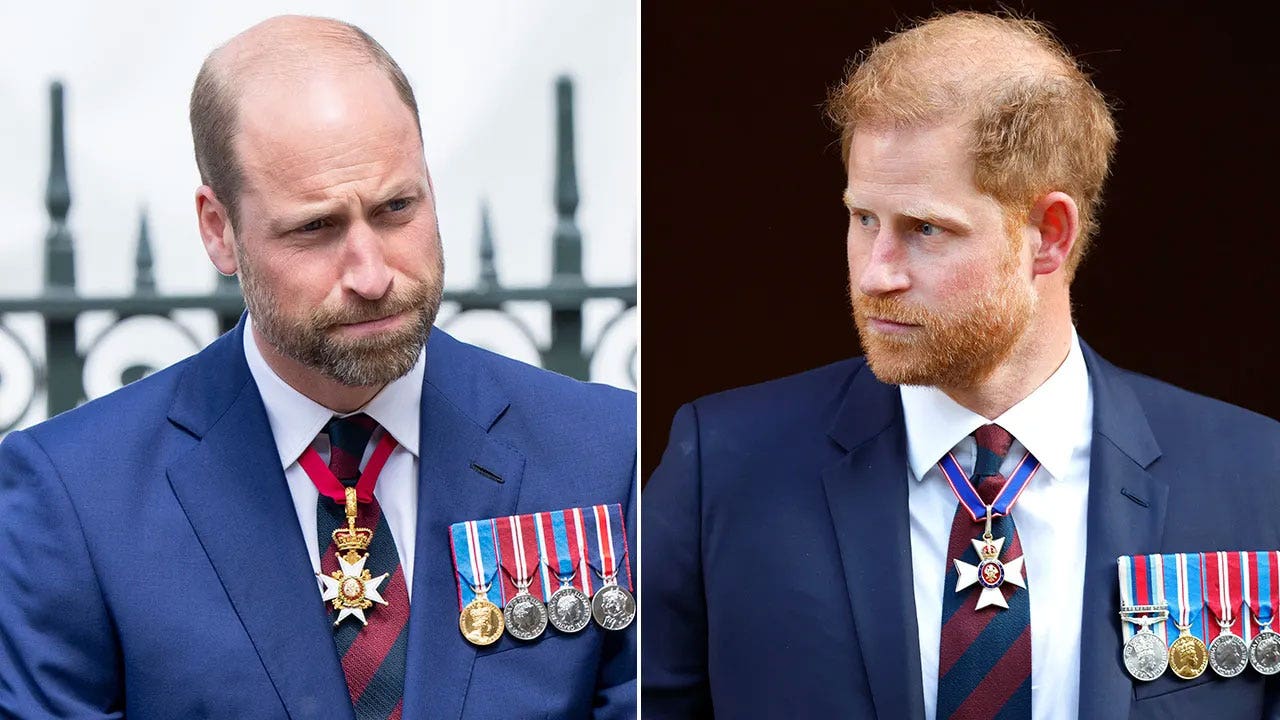
Prince Harry travelled to the U.K. July 6–11, 2026, for Invictus-related events but returned without his family after the U.K. government (RAVEC) declined to reinstate full-time police protection for his family except while on royal property. Vanity Fair and Fox News cite unnamed palace sources and royal commentators saying Harry was emotional about the security decision. The article reports conflicting accounts about an offer to stay at a royal residence: Harry’s team says an invitation to Buckingham Palace was accepted then withdrawn; palace sources say Harry missed the deadline to accept. On July 7, 2026, the High Court dismissed Prince Harry’s long-running privacy lawsuit against Associated Newspapers Limited, finding the claimants failed to prove unlawful information gathering; the publisher called the ruling a vindication, and Harry said the court denied him the justice he sought. Commentators quoted by Fox News characterize King Charles as sympathetic but constrained, Prince William as detached and focused on protecting the institution and his household, and some palace insiders as unsympathetic to Harry’s public approach. The reporting relies largely on statements from royal correspondents, unnamed palace sources, and public court records about the legal ruling.
Biblical Reflection
This article mixes verifiable facts (travel dates, the High Court ruling, and RAVEC’s stated policy) with interpretation and sourced conjecture about feelings and motives inside the royal family. The primary factual takeaways—RAVEC’s decision on taxpayer-funded protection, the failure of the privacy lawsuit, and disputed accounts about accommodation—are straightforward. The speculative elements (who ‘no longer recognizes’ whom, who is ‘close to tears,’ or who is ‘detached’) come from commentators and unnamed sources and are presented with little challenge. From a Christian perspective, the story exposes tensions between private family loyalties and public institutional responsibilities: the royals are a family but also a constitutional and public institution, and choices about security, litigation, and publicity have real consequences. The article’s framing leans toward drama and personalities, which can encourage schadenfreude or partisan alignment rather than compassion and careful judgment. Christians should hold to truth—acknowledging what is documented—while practicing mercy toward people depicted in pain, resisting the temptation to treat family breakdown as mere entertainment, and recognizing the moral complexity when private grief intersects with public roles. Finally, note the media dynamics: litigation and briefing through press channels shape public narratives; discernment is needed about what is evidence, what is inference, and what serves reconciliation versus score-settling.
Scripture in context
This outlook does not yet include contextual Scripture citations. Do not treat a general biblical theme as an exegetical conclusion.
Faithful Response
No prescribed response is offered. Consider the reflection prompts below in your own church context.
Reflection and Discussion
- 1How much of this narrative is confirmed fact and how much is commentary or unnamed sourcing shaping our view of the family?
- 2When private family conflict becomes public spectacle, who benefits and who is harmed — and how should Christians respond?
- 3Are we tempted to substitute judgment for prayer and compassion when we read about others' brokenness in the press?
Sources
Reporting links are evidence inputs; Sanctuary News' biblical reflection is commentary.
This outlook currently relies on fewer than two linked sources. Broaden verification before teaching from it.
- 1.Original reportprimary