News Summary
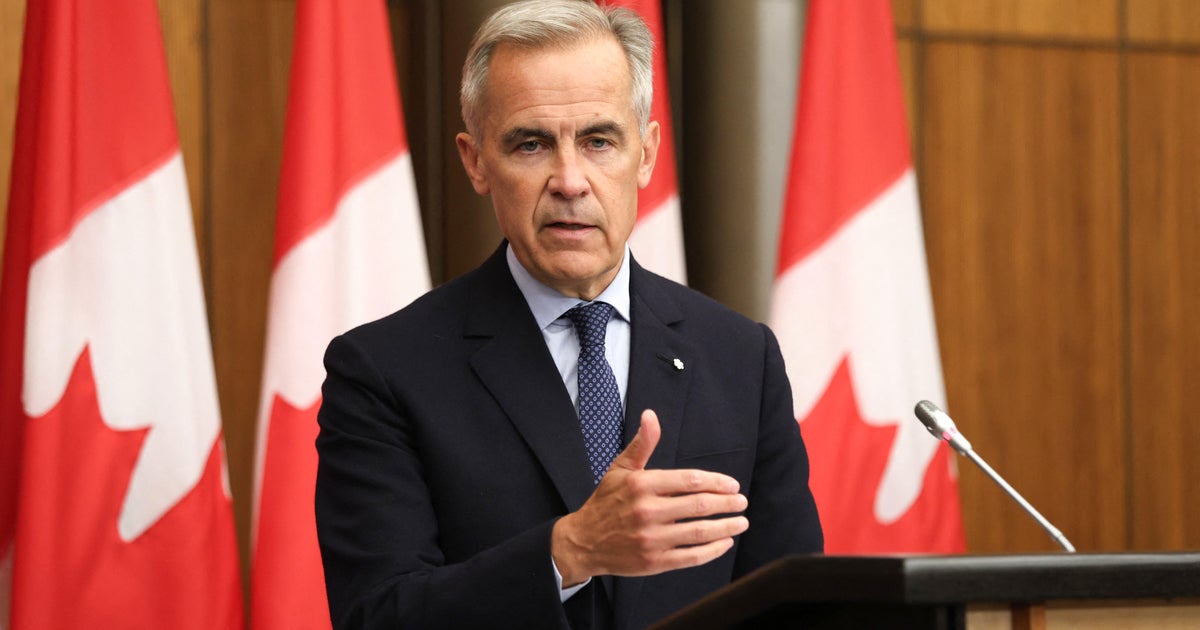
In a roughly 10-minute video address released April 19, 2026, Canadian Prime Minister Mark Carney said Canada’s historically close economic ties to the United States, once a strength, have become a weakness that must be corrected. Carney cited higher U.S. tariffs under President Trump as harming Canadian workers in industries such as autos and steel, and said uncertainty has restrained business investment. He pledged government efforts to diversify Canada’s trade and investment partners, attract new investment, double clean energy capacity, reduce internal trade barriers, raise defense spending, cut taxes, and make housing more affordable. Carney said he will give regular updates on these efforts and argued that relying on a hoped-for change in U.S. policy is not a viable strategy. The remarks follow his January Davos speech criticizing economic coercion, a rebuke from President Trump, and come as a NAFTA review is scheduled for July and as opposition Conservatives press for a U.S. trade deal.
Biblical Reflection
Carney’s address is framed as pragmatic national planning: identifying a dependency, naming specific economic pressures (tariffs, investment uncertainty), and proposing diversification and resilience measures. From a Christian perspective this approach has virtues: sober assessment, stewardship of national resources, care for workers harmed by policy shifts, and prudent preparation for instability. Beware rhetorical tendencies on both sides to personalize or moralize complex economic dynamics (e.g., treating one leader as sole cause or scapegoat). The article accurately reports claims and context but does not independently verify causation between U.S. tariffs and all Canadian economic outcomes — that requires data and economic analysis. Spiritually, Christians should value truth-telling and accountability while resisting fear-driven nationalism; promote policies that protect the vulnerable, pursue peaceful neighborly relations, and seek wise stewardship rather than reactive isolation. Pray for discernment for leaders, for policies that combine justice and prudence, and for Christians to hold both truth and love in political judgment.
Scripture in context
This outlook does not yet include contextual Scripture citations. Do not treat a general biblical theme as an exegetical conclusion.
Faithful Response
No prescribed response is offered. Consider the reflection prompts below in your own church context.
Reflection and Discussion
- 1What assumptions about cause and responsibility (personal leadership versus structural factors) underlie claims that one foreign policy change 'turned strength into weakness'?
- 2Does the coverage push a narrative of inevitable conflict with a neighbor, or does it leave room for measured diplomacy and mutual accountability?
- 3How should Christians weigh prudent self-reliance and national stewardship against the biblical call to love and cooperate with neighbors and nations?
Sources
Reporting links are evidence inputs; Sanctuary News' biblical reflection is commentary.
This outlook currently relies on fewer than two linked sources. Broaden verification before teaching from it.
- 1.Original reportprimary