News Summary
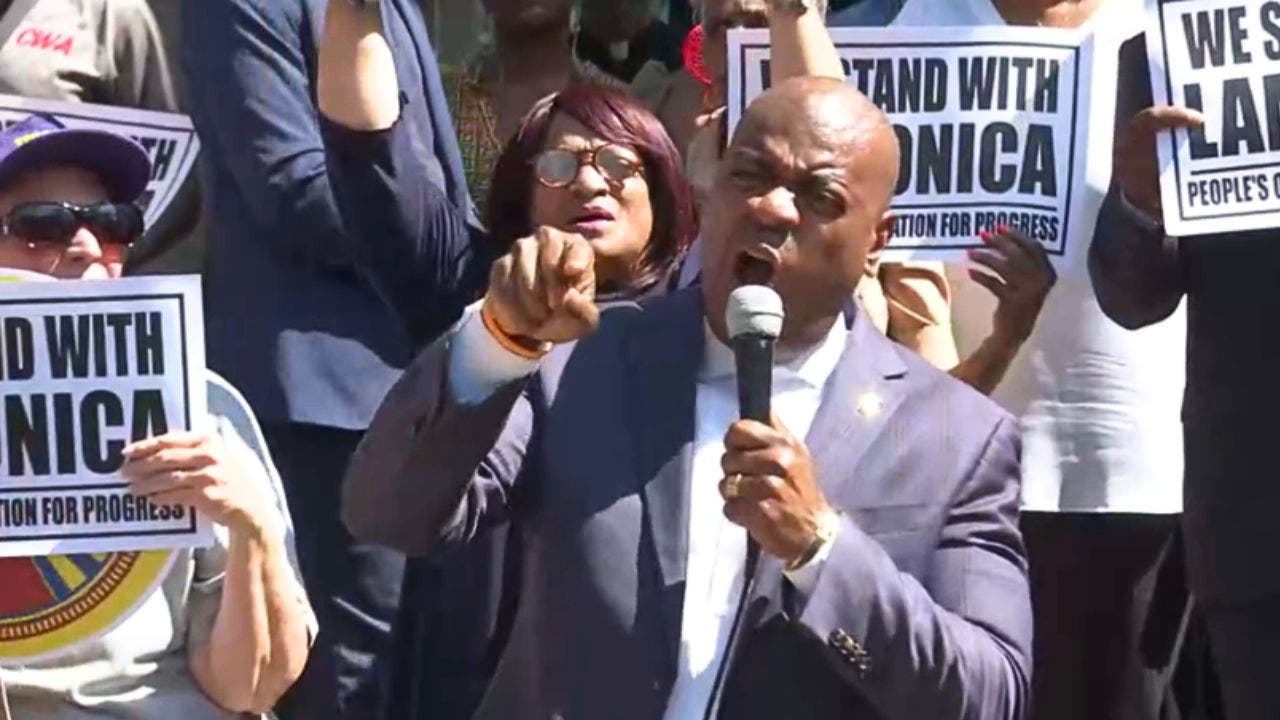
State primary elections are being held Tuesday in Nebraska, West Virginia and New Jersey that will help determine candidates for the November 2026 midterm elections and several key state and federal offices. In Nebraska: Republican Sen. Pete Ricketts, who was appointed in 2023 and won a 2024 special election, is running for a full six-year term and faces four Republican primary challengers; he is widely expected to win the GOP nomination. Independent Dan Osborn is running in the general election; Democrats Cindy Burbank and Pastor Bill Forbes filed to run in the Democratic primary even though the Nebraska Democratic Party supports Osborn, and some state Democratic leaders claimed Forbes entered to ensure a Democrat appears on the fall ballot (Forbes denies this; Burbank says she filed to keep Forbes off the November ballot). Gov. Jim Pillen faces five GOP primary challengers; Lynne Walz and Larry Marvin are vying for the Democratic gubernatorial nomination. Nebraska's 2nd Congressional District (an Omaha-based competitive seat) is contested: Brinker Harding is unopposed for the Republican nomination; Democrats state Sen. John Cavanaugh and Denise Powell are competing for their party's nomination. Powell has raised concern that a Cavanaugh victory followed by resignation could lead Gov. Pillen to replace him with a Republican and potentially prompt the GOP-led legislature to change Nebraska’s split electoral vote allocation. If no candidate tops 50% in Nebraska, a runoff will be held in early June. In West Virginia: Republican Sen. Shelley Moore Capito, described as establishment, faces five Republican primary challengers and has President Donald Trump’s backing; first-term Republican Gov. Patrick Morrisey is not on the ballot but his influence is being tested in state legislative primaries. In Charleston, Democratic Mayor Amy Goodwin faces a primary challenge while Republican Brian Hunt is unopposed. In New Jersey: Newark Mayor Ras Baraka, who is a Democrat but whose mayoral race is officially nonpartisan, is seeking a fourth term and faces seven challengers; the article notes Baraka was arrested during an anti-ICE protest last year (charges were later dropped) and that he previously ran for governor and finished second to Mikie Sherrill in the Democratic primary. The piece frames these contests as early indicators for the 2026 midterms, where Republicans seek to hold narrow House and Senate majorities and Democrats hope to gain ground.
Biblical Reflection
This article is a straightforward election snapshot but its language and focus reflect a campaign-era frame: emphasis on competitiveness, party control and high-profile endorsements (e.g., Trump’s backing) foregrounds power and strategy over policy or local issues. That framing is useful for voters tracking who will appear on general-election ballots, but it can also reduce civic life to a contest for advantage and exacerbate partisan instincts (us vs. them). A Christian reading should notice two things: (1) the piece privileges electoral dynamics and personalities rather than deeper questions of justice, common good, or moral integrity; and (2) it highlights how political stories are often told through zero-sum lenses (control of Congress, tests of influence) that may amplify fear and division. Scripture calls believers to seek truth, act justly and love neighbors across political lines (Micah 6:8; Matthew 22:37-40). That means discerning factual claims (who’s on the ballot, who endorsed whom) while resisting narratives that promote tribalism, dehumanize opponents, or present politics as the ultimate good. Practically: verify contested claims (e.g., motive-based allegations about ballot filings), note what the article omits (policy debates, voter turnout, local concerns) and weigh coverage against observable facts rather than partisan framing. Remember also God’s sovereignty over rulers and nations — electoral outcomes are important, but they are not the ultimate source of hope.
Scripture in context
This outlook does not yet include contextual Scripture citations. Do not treat a general biblical theme as an exegetical conclusion.
Faithful Response
No prescribed response is offered. Consider the reflection prompts below in your own church context.
Reflection and Discussion
- 1What assumptions shape which races and candidates the article highlights, and whose perspectives are centered or omitted?
- 2Where does the article encourage a zero-sum or partisan mindset, and how might that framing affect readers’ trust, fear, or judgment?
- 3Which substantive questions (policy, local governance, voter engagement) are missing from the coverage that Christians should consider when evaluating candidates?
Sources
Reporting links are evidence inputs; Sanctuary News' biblical reflection is commentary.
This outlook currently relies on fewer than two linked sources. Broaden verification before teaching from it.
- 1.Original reportprimary