News Summary
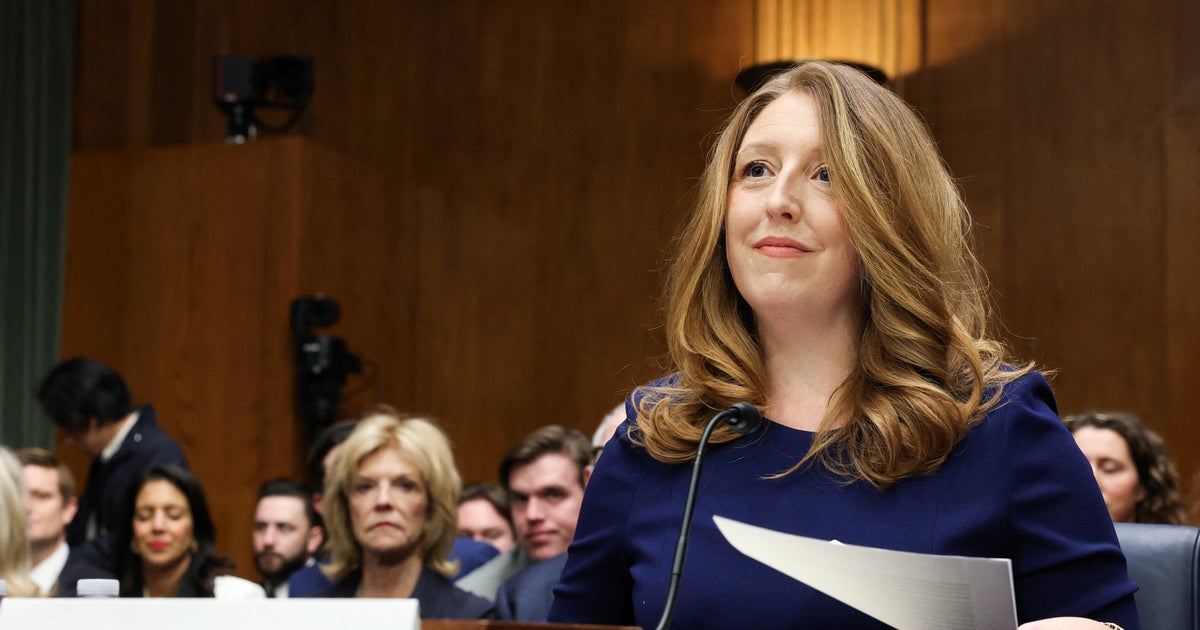
On April 30, 2026, President Trump announced via Truth Social that he is nominating Dr. Nicole B. Saphier for U.S. Surgeon General, replacing his earlier nominee Casey Means whose confirmation process stalled in the Senate. Trump blamed Sen. Bill Cassidy for standing in the way of Means' confirmation. Saphier is a radiologist and director of breast imaging at Memorial Sloan Kettering Cancer Center Monmouth, a former Fox News medical contributor, and the author of books critical of public health responses to COVID-19. The article notes controversies tied to Saphier: a 2022 tweet claiming the CDC would mandate coronavirus vaccines for schoolchildren that was debunked, and her entrepreneurial venture DropRx, which markets physician-formulated botanical supplements not reviewed by the FDA for effectiveness. Saphier holds active medical licenses in New York, New Jersey and Arizona. Casey Means had a confirmation hearing on Feb. 25; her process did not advance after she struggled to secure enough Senate support. During her hearing, Means declined to say directly whether she would encourage mothers to vaccinate their children, said the “science is never settled” on a vaccines-autism link, acknowledged past experimentation with psychedelic drugs, and does not have a currently active medical license — points raised during the hearing. Means was first nominated in May 2025 and had a delayed hearing after giving birth in October.
Biblical Reflection
From a Christian perspective, this report highlights several overlapping concerns: the politicization of public health appointments, the public weighting of credentials versus ideological alignment, and the importance of truthfulness in public communication. The article presents factual claims about both nominees’ backgrounds and controversies — including Means’ lack of an active license at the time of her hearing and Saphier’s past disputed social-media claims and commercial supplements. Christians should notice how partisan loyalty and media framing can shape which personal details are emphasized and which qualifications are center-stage. Scripture calls believers to seek truth (Ephesians 4:15) and to care for the vulnerable (Matthew 25:36–40); both principles apply when evaluating public-health leadership. That means holding nominees to standards of honesty, scientific integrity, and a demonstrated commitment to protecting public welfare — while resisting the urge to treat any political figure as an idol. The article's framing leans on controversy and credential questions, which is appropriate for public-office scrutiny, but readers should be careful not to reduce complex public-health competence to soundbites. Pray for discernment, expect scrutiny of conflicts of interest (including commercial ventures tied to medicine), and ask whether nominees will promote policies that protect the least advantaged, honor truth, and respect sound science. Ultimately, Christians should evaluate such news through twin commitments to truth and love: insist on factual accountability while avoiding tribal reflexes that defend or condemn along party lines.
Scripture in context
This outlook does not yet include contextual Scripture citations. Do not treat a general biblical theme as an exegetical conclusion.
Faithful Response
No prescribed response is offered. Consider the reflection prompts below in your own church context.
Reflection and Discussion
- 1What standards of competence, honesty, and public stewardship should we insist on for health leaders, and are those standards being applied consistently regardless of political allegiance?
- 2How does media focus on controversy or personal background shape our perception of a nominee’s fitness for office, and what additional sources or evidence should we seek before forming a settled view?
- 3Where might partisan loyalty or distrust of institutions be coloring both public claims and the scrutiny applied to nominees, and how can Christians guard against treating leaders as tribal symbols rather than public servants?
Sources
Reporting links are evidence inputs; Sanctuary News' biblical reflection is commentary.
This outlook currently relies on fewer than two linked sources. Broaden verification before teaching from it.
- 1.Original reportprimary