News Summary
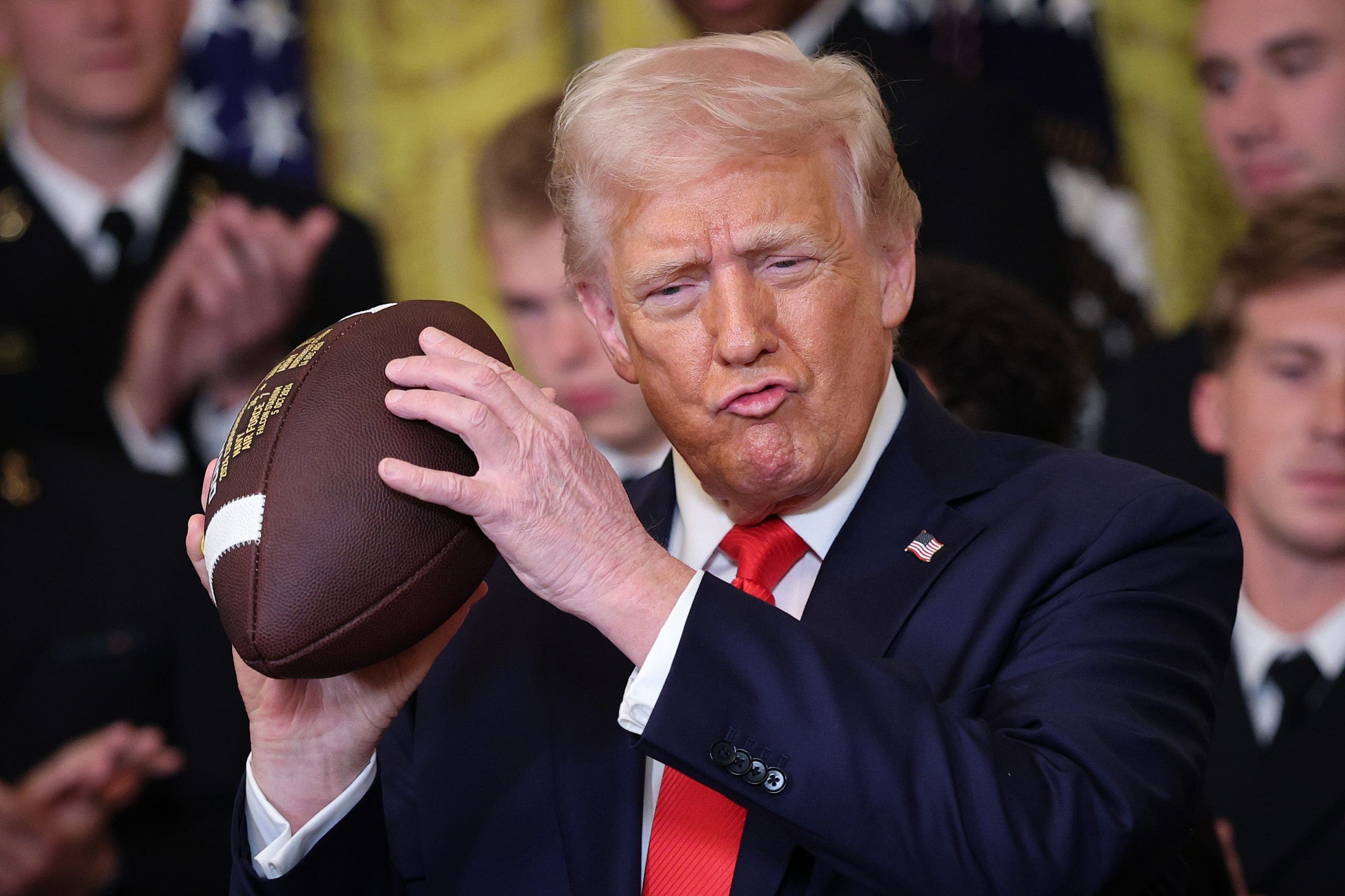
President Donald Trump is reported to be preparing a second executive order on college sports, which CBS News said could be signed as early as Friday. The order is described as aiming to increase the NCAA's authority over athletes in the era of name, image and likeness (NIL) and transfer rules. Last month Trump hosted a White House roundtable with NCAA President Charlie Baker, coaches and conference commissioners to discuss NCAA authority, NIL, collective bargaining, governance, and related issues. The roundtable highlighted the SCORE Act, which the White House has endorsed; that bill would grant the NCAA a limited antitrust exemption, prohibit athletes from being classified as employees of their schools, and bar schools from using student fees to fund NIL payments. The article notes that the president previously issued an order in July restricting pay-to-play payments from third parties but not third-party NIL payments, and that a federal judge recently approved a settlement requiring the NCAA and major conferences to pay roughly $2.8 billion in damages for athletes who competed from 2016–2025, a settlement that also permits college programs to compensate athletes directly. The article reports partisan disagreement over the SCORE Act and legislative maneuvering that delayed a floor vote.
Biblical Reflection
From a Christian perspective, this story raises questions about stewardship, justice, and the dignity of persons amid institutional and financial pressures. At stake are competing goods: protecting the integrity and viability of college athletic programs and institutions, and ensuring fair treatment and opportunity for student-athletes who may be economically vulnerable or exploited. The article largely frames the policy as restoring institutional control and financial stability for colleges and the NCAA; that emphasis can obscure how reforms affect individual athletes' livelihoods, mobility, and bargaining power. Christians should be attentive to both truth and balance: policy should not unduly favor institutional preservation at the expense of individual justice, nor should the desire to protect athletes be driven solely by sentiment and short-term gain. Seek policies that promote honest dealing, protect the weak, and encourage responsible stewardship by schools and governing bodies. Also be wary of partisan or personality-driven framing that reduces complex ethical trade-offs to political theater—ask who benefits, who may be harmed, and whether the proposals respect human dignity rather than treating people primarily as revenue streams. Finally, remember the role of government and private institutions: civil authorities are called to pursue justice and the common good (Romans 13), but Christians must also advocate for mercy and fairness toward those most exposed to economic coercion or exploitation.
Scripture in context
This outlook does not yet include contextual Scripture citations. Do not treat a general biblical theme as an exegetical conclusion.
Faithful Response
No prescribed response is offered. Consider the reflection prompts below in your own church context.
Reflection and Discussion
- 1Whose interests are centered in the article's framing—athletes, institutions, or political actors—and how might that shape public opinion?
- 2Do proposed solutions prioritize long-term justice and the dignity of individuals, or primarily institutional survival and financial control?
- 3How should Christians hold leaders and systems accountable so that policy protects the vulnerable without elevating money as the chief good?
Sources
Reporting links are evidence inputs; Sanctuary News' biblical reflection is commentary.
This outlook currently relies on fewer than two linked sources. Broaden verification before teaching from it.
- 1.Original reportprimary