News Summary
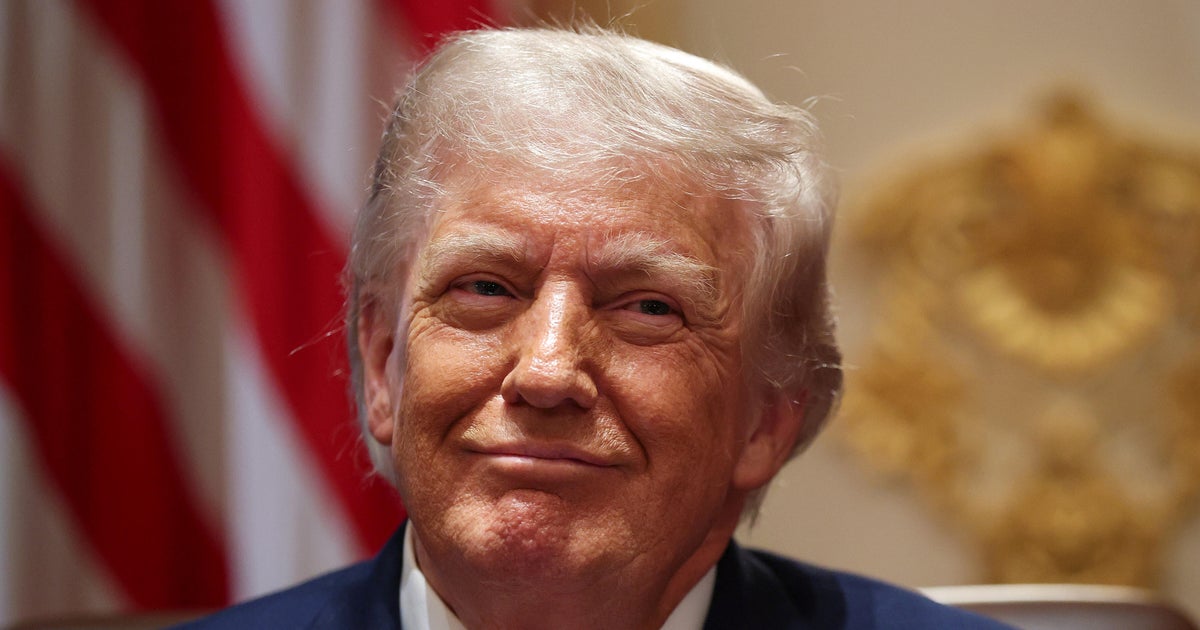
Freedom 250, the group organizing the Great American State Fair on the National Mall in Washington, D.C., announced that former President Donald J. Trump will open the event on June 24 with an opening ceremony. The fair is being presented as a celebration of America's 250th anniversary and includes a slate of concerts scheduled from June 24 to July 10. After Freedom 250 announced its lineup, several artists—Morris Day and the Time, Young MC, the Commodores, Martina McBride and Bret Michaels—publicly withdrew, citing concerns that the event would be political. Artists still listed as scheduled to perform include Fab Morvan of Milli Vanilli, Vanilla Ice, C+C Music Factory rapper Freedom Williams and Flo Rida. Freedom 250 has described the initiative as nonpartisan. In a social media post, Trump suggested he might hold a rally or deliver a major speech at the event, characterizing himself as a major attraction and criticizing artists who withdrew.
Biblical Reflection
This story shows how cultural events and national celebrations can quickly become entangled with partisan perceptions. Freedom 250 says the fair is nonpartisan, yet the involvement or potential appearance of a prominent political figure—combined with public artist withdrawals citing political concerns—creates the perception of political purpose regardless of stated intent. The article reports both the organizer's claim and the artists' objections without presenting evidence that the event has been formally designated a partisan rally. Christians should note two tensions: the responsibility of public organizers to be transparent about intentions and audiences, and the responsibility of artists and citizens to act in conscience when they believe participation endorses a political cause. From a pastoral perspective, the pattern highlights how identity and allegiance shape civic culture; Christians are called to pursue truth (examining claims and motives), mercy (respecting conscientious objections), and humility (recognizing how our choices send signals). Beware of binary framing that turns cultural participation into a test of loyalty. Seek clarity about purpose and expect that strong political figures draw attention that can override organizers' stated neutrality.
Scripture in context
This outlook does not yet include contextual Scripture citations. Do not treat a general biblical theme as an exegetical conclusion.
Faithful Response
No prescribed response is offered. Consider the reflection prompts below in your own church context.
Reflection and Discussion
- 1How does the presence—or potential presence—of a prominent political figure change the meaning of a public cultural event, regardless of organizers' stated intentions?
- 2What cues should we look for to determine whether an event is genuinely nonpartisan or is effectively serving as a political rally?
- 3In public controversies like this, whose responsibility is it to preserve civic space for unity: organizers, performers, or attendees—and how should consciences be weighed?
Sources
Reporting links are evidence inputs; Sanctuary News' biblical reflection is commentary.
This outlook currently relies on fewer than two linked sources. Broaden verification before teaching from it.
- 1.Original reportprimary