News Summary
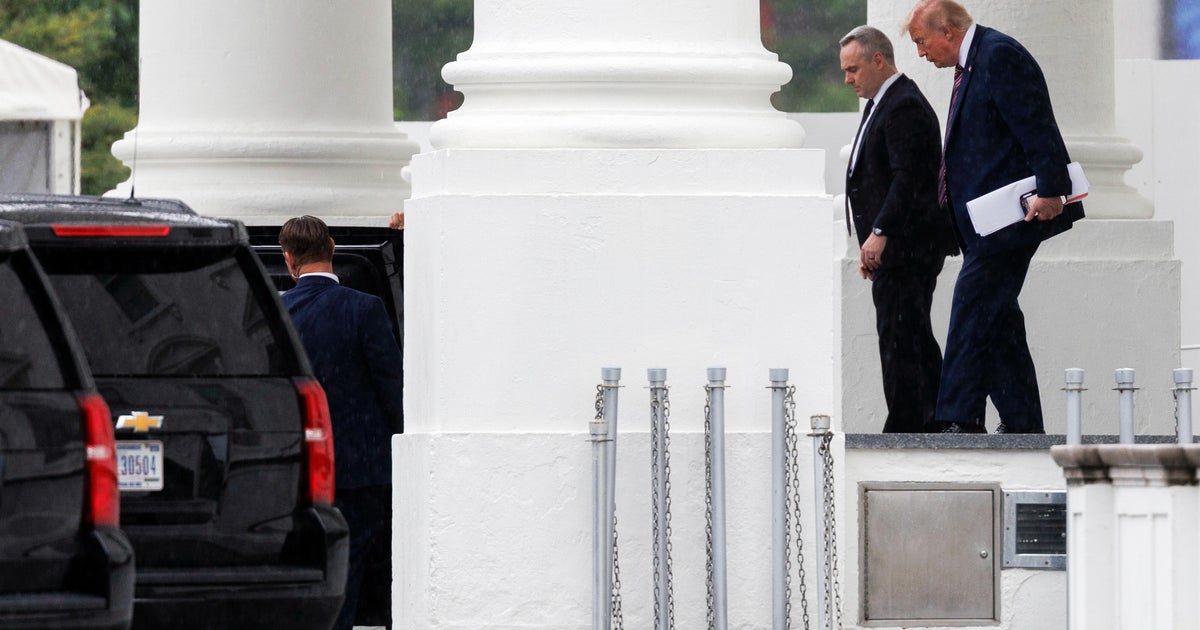
On May 26, 2026, CBS News reported that President Trump plans to hold a Cabinet meeting at Camp David on Wednesday, according to a White House official and other sources. All Cabinet members are expected to attend, including Director of National Intelligence Tulsi Gabbard, who is scheduled to leave her post on June 30. The White House official said the meeting will cover administration "recent successes," including economy and small business items, highlights from the Task Force to Eliminate Fraud, and foreign policy updates. The meeting takes place while the U.S. is engaged in negotiations with Iran that the president described as proceeding "nicely," though he posted that he wanted a "good deal or no deal at all." Overnight, U.S. forces struck Iranian missile sites and boats that U.S. Central Command said were laying mines; the U.S. described the actions as "self-defense strikes," and Iran called them a "grave violation" of a fragile ceasefire. The White House noted that the Camp David location depends on weather and could change if travel by Marine One is not possible. Politico initially reported the meeting; additional details appeared in the New York Post.
Biblical Reflection
The article is straightforward reporting of a planned presidential Cabinet meeting with background context about Iran negotiations and recent military actions. It relies primarily on a White House official and unnamed sources for the meeting's agenda and framing, so readers should note that some language (for example, "recent successes") reflects administration messaging rather than independent evaluation. The piece also situates the meeting amid genuine international tensions—negotiations with Iran and U.S. strikes—reminding us that domestic political events often occur alongside matters of life, death, and national security.
From a Christian pastoral perspective, two responsibilities stand out. First, pursue truth and healthy skepticism: verify claims about "successes" and policy effects through independent reporting and expert analysis rather than accepting political spin. Second, practice prayerful peacemaking: when government actions involve force or high-stakes diplomacy, Christians should especially weigh the call to love neighbors, seek justice, and pray for those most affected by conflict. The article’s brevity leaves out voices that matter—the diplomats, regional neighbors, and civilians impacted by military actions—so readers should be attentive to whose perspectives are centered and whose are missing. Ultimately, leadership decisions should be measured against truth, accountability, and the moral imperative to pursue peace and protect the vulnerable.
Scripture in context
This outlook does not yet include contextual Scripture citations. Do not treat a general biblical theme as an exegetical conclusion.
Faithful Response
No prescribed response is offered. Consider the reflection prompts below in your own church context.
Reflection and Discussion
- 1Whose perspectives does this article center (White House officials), and which voices—regional actors, independent experts, or civilians—are absent?
- 2Which claims in the article are administration messaging versus independently verified facts, and how should that affect our judgment?
- 3How might the choice of location and timing (a Camp David Cabinet meeting amid negotiations and strikes) function as policy coordination, political signaling, or both?
Sources
Reporting links are evidence inputs; Sanctuary News' biblical reflection is commentary.
This outlook currently relies on fewer than two linked sources. Broaden verification before teaching from it.
- 1.Original reportprimary