News Summary
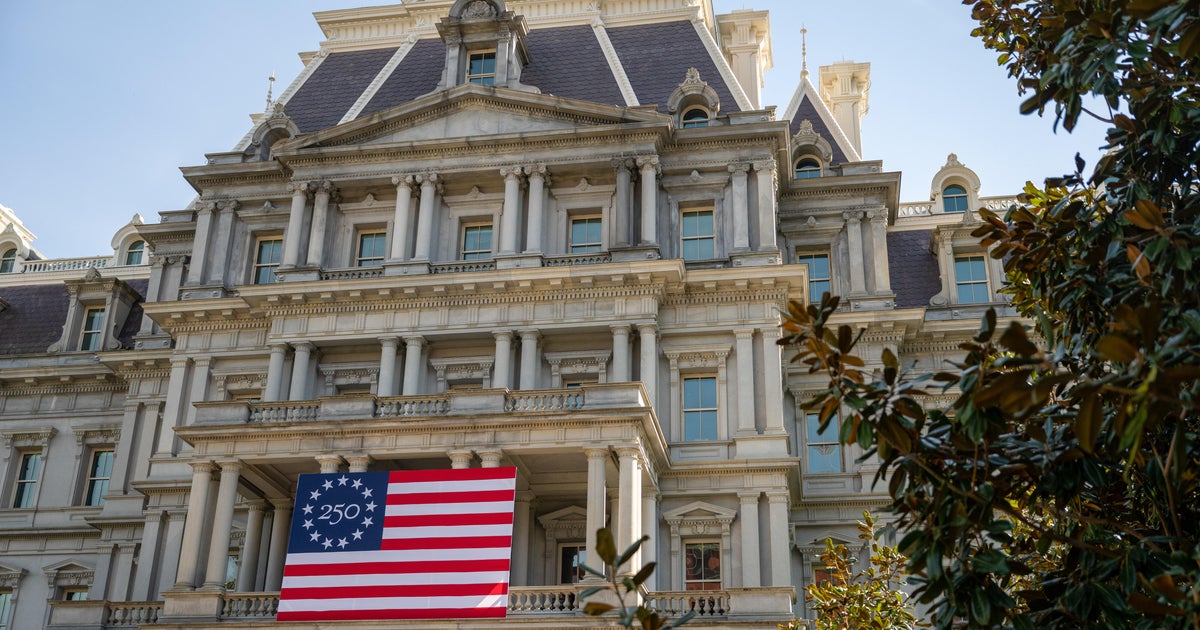
President Donald Trump submitted a design proposal to the Executive Office of the President and the Commission of Fine Arts (CFA) to paint the stone facade of the Eisenhower Executive Office Building (EEOB) white. The EEOB, completed in 1888 in the French Second Empire style and currently slate-gray, houses offices for presidential staff including the National Security Council and sits adjacent to the West Wing. The submitted plan describes the building as an "eyesore," alleges ongoing exterior cracks and poor maintenance, and argues the stone's current color and condition do not align visually with surrounding architecture or with the White House. The proposal includes renderings showing the building painted white and claims painting would create a repeatable, maintainable baseline color. The CFA, which advises on public architecture in Washington, is scheduled to hear a presentation on the plan on April 16.
Biblical Reflection
From a Christian and civic perspective, this story raises questions about stewardship of historic public property, the symbolism of national architecture, and how public decision-making is conducted. The proposal frames painting as a technical maintenance solution, but it also alters the appearance of a historic federal building that many see as part of the nation's architectural heritage. Christians should weigh competing goods: responsible upkeep and practical maintenance of government property, respect for historical integrity and collective memory, and the potential for political personalization of national symbols.
Be alert to procedural and perceptual biases: the submission comes from the Executive Office and will be reviewed by a board with presidential appointees, which can concentrate influence; language calling the building an "eyesore" frames the change as corrective rather than aesthetic or political. Independent assessment of structural condition and conservation-best-practice recommendations would be the most objective basis for action.
Spiritually, the situation invites humility about appearances—whitewashing a stone facade changes what people see but not the deeper purposes of public offices. Christians can press for decisions that honor truth, protect common heritage, and promote the common good rather than serving partisan image-making. Seek transparent processes, expert conservation input, and decisions grounded in facts and long-term stewardship rather than solely in symbolic makeover.
Scripture in context
This outlook does not yet include contextual Scripture citations. Do not treat a general biblical theme as an exegetical conclusion.
Faithful Response
No prescribed response is offered. Consider the reflection prompts below in your own church context.
Reflection and Discussion
- 1Who benefits if a historic public building's appearance is changed, and who should be consulted before such changes are made?
- 2Does the argument being advanced prioritize long-term stewardship and expert conservation, or is it primarily aesthetic or political?
- 3How does altering national architecture shape public memory and civic identity, and should Christians care about that symbolism?
Sources
Reporting links are evidence inputs; Sanctuary News' biblical reflection is commentary.
This outlook currently relies on fewer than two linked sources. Broaden verification before teaching from it.
- 1.Original reportprimary