News Summary
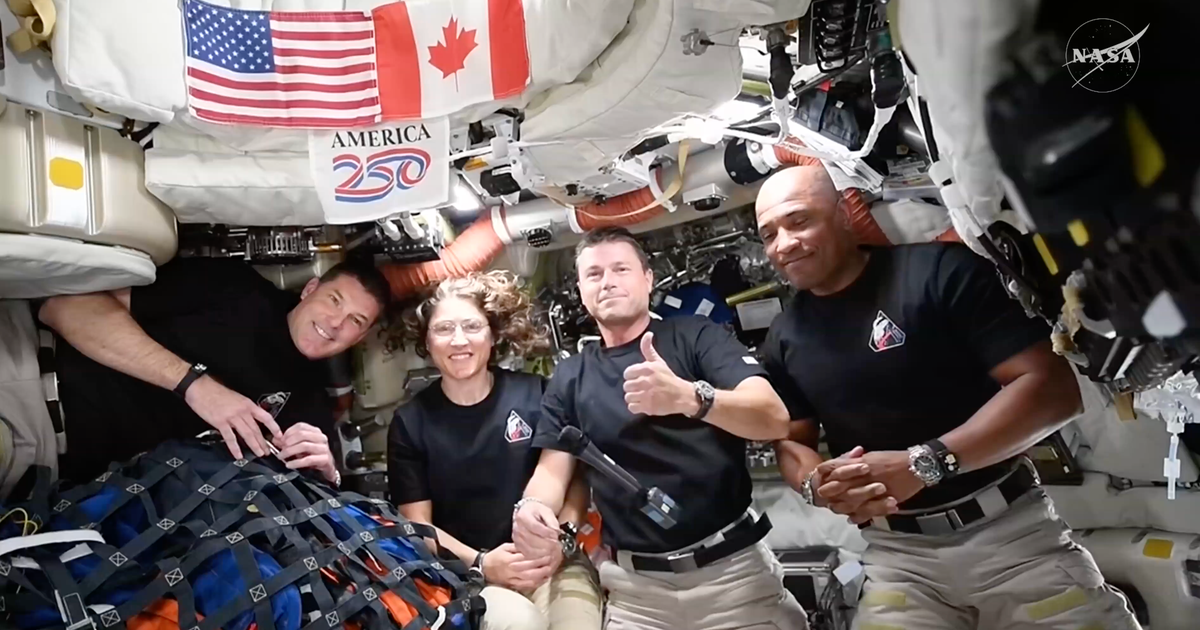
President Trump spoke by live call with the four-member crew of NASA's Artemis II mission while the Orion spacecraft was returning from a lunar flyby. The roughly 12-minute conversation occurred after the crew reached a maximum distance of 252,756 miles from Earth, exceeding the Apollo 13 distance record by about 4,000 miles. The astronauts — three Americans and one Canadian — reported seeing parts of the moon's far side with the naked eye, observed a solar eclipse, and noted seeing Mars. Trump praised their courage and called them "modern-day pioneers," framed the mission as part of plans to return humans to the lunar surface and eventually go to Mars, and said he hoped to invite them to the Oval Office after splashdown. The call showed a short communication delay at times. Orion is headed for a Pacific Ocean splashdown planned for Friday.
Biblical Reflection
This report highlights a major scientific and human achievement that elicits national pride and admiration — understandable responses to explorers venturing farther into God's created cosmos. Scripture affirms that the heavens declare God's glory (Psalm 19), so scientific discovery can prompt worship, wonder, and gratitude. At the same time, the article frames the event through national and presidential praise; Christians should notice how political rhetoric can claim religious or moral authority for achievements, or turn scientific accomplishment into a tool of national prestige. Balance is needed: celebrate the ingenuity and teamwork reflected in the mission, give glory to God for the wonder of creation, and remain wary of idolatrous pride or partisan appropriation of a shared human milestone. Also note the international cooperation (a Canadian astronaut) — a reminder that exploration can and often should transcend national competition. Finally, test reported details and editorial color for accuracy and humility rather than accepting celebratory framing as exhaustive truth.
Scripture in context
This outlook does not yet include contextual Scripture citations. Do not treat a general biblical theme as an exegetical conclusion.
Faithful Response
No prescribed response is offered. Consider the reflection prompts below in your own church context.
Reflection and Discussion
- 1How does calling astronauts "modern-day pioneers" or framing spaceflight as a national frontier shape our view of exploration — as stewardship of creation or as conquest and prestige?
- 2What signs of healthy humility or unhealthy pride do you see in praise from political leaders for scientific achievements, and how should Christians respond?
- 3In what ways should international cooperation in science temper nationalist narratives and remind us of common human vocation under God?
Sources
Reporting links are evidence inputs; Sanctuary News' biblical reflection is commentary.
This outlook currently relies on fewer than two linked sources. Broaden verification before teaching from it.
- 1.Original reportprimary