News Summary
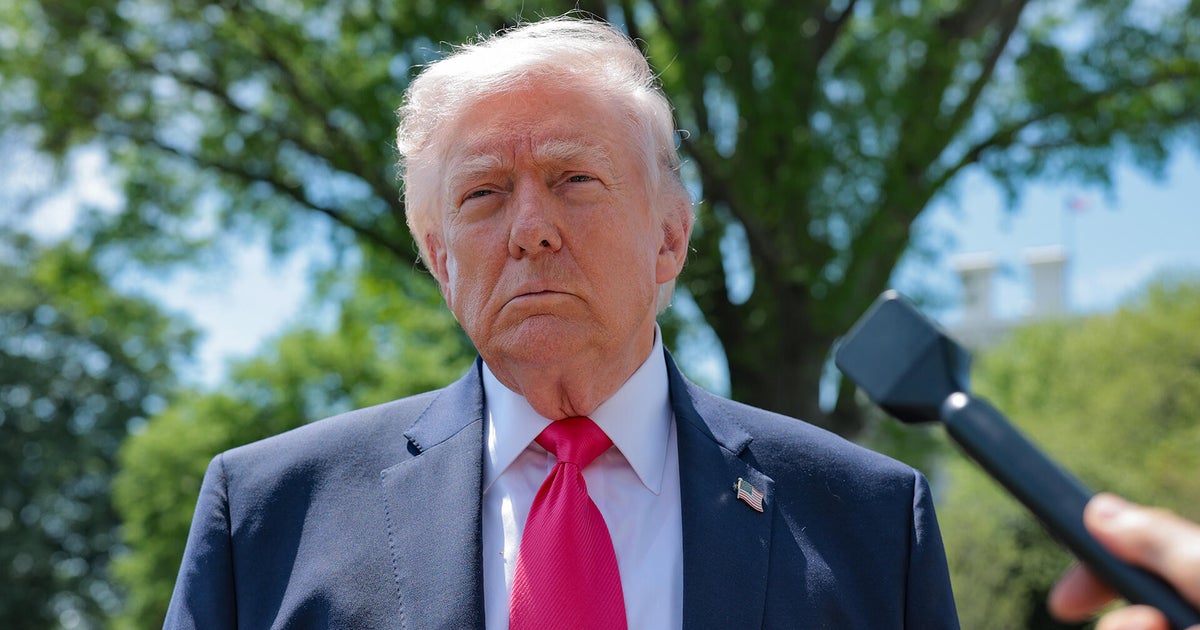
President Trump announced that he is extending the ceasefire between the United States and Iran “until such time as [Iran's] proposal is submitted, and discussions are concluded,” saying the extension was granted at Pakistan’s request. He posted the announcement on Truth Social and said he has directed the U.S. military to continue a blockade while remaining prepared for other operations. The ceasefire had been in place for two weeks and was due to expire Tuesday night (Mr. Trump had recently said it would end Wednesday evening). In recent days the president had said he would not likely extend the deadline and had indicated the U.S. would resume bombing when the ceasefire ended; he also made public statements suggesting he expected to be ‘bombing’ and that the military was ‘raring to go.’
Senior-level talks between U.S. and Iranian representatives began with a meeting in Islamabad but subsequently stalled; Mr. Trump has accused Iran of refusing to accept U.S. terms on its nuclear program. Both sides have accused the other of violating the ceasefire — Iran has restricted ship transits through the Strait of Hormuz while the U.S. has maintained a blockade of Iranian ports. Mr. Trump has also made statements about delegations traveling to Islamabad that did not match available travel status at the time. Iran had not publicly responded to the announcement at the time of the report. The U.S. campaign against Iran has now continued for more than seven weeks after initial administration estimates of a four- to six-week operation.
Biblical Reflection
From a Christian perspective, this story highlights the tension between the pursuit of peace and the realities of national security and warfare. The extension of the ceasefire can be seen positively as creating space for diplomacy and potentially averting immediate further bloodshed — an outcome consistent with the biblical valuing of peace. At the same time, the report documents shifting public messaging, apparent contradictions about delegate movements, and rhetoric that alternates between readiness for negotiation and readiness for renewed violence. Christians should note two concerns: first, the moral importance of truthfulness and credible leadership (Ephesians 4:25 urges speaking truth), and second, the need to weigh prudence and protection of the vulnerable alongside the call to be peacemakers (Romans 13 recognizes the role of government in order and defense).
The article’s framing focuses on presidential statements and tactical details, and it highlights inconsistencies that can erode public trust. There is also an underlying worldview tension: one that prizes decisive military strength and one that prizes patient diplomacy. Scripture calls believers to bless and seek the peace of nations (Jeremiah 29:7) and to esteem peacemakers (Matthew 5:9), yet it also acknowledges the responsibilities of authorities to restrain evil. Christians reading this story should therefore hold both commitments in tension — praying and advocating for genuine, just peace while asking for honesty, wisdom, and protection for civilians affected by conflict. Be wary of messaging that normalizes warmongering as virtue or, conversely, that treats diplomacy as simply weakness; both can be spiritually and morally misleading if detached from truth and care for human life.
Scripture in context
This outlook does not yet include contextual Scripture citations. Do not treat a general biblical theme as an exegetical conclusion.
Faithful Response
No prescribed response is offered. Consider the reflection prompts below in your own church context.
Reflection and Discussion
- 1How does the article’s focus on shifting presidential rhetoric affect your ability to assess the credibility and moral authority of leadership in matters of war and peace?
- 2What assumptions about strength, security, and diplomacy are driving the public statements quoted here, and how might those assumptions conflict with a biblical ethic that values both justice and peacemaking?
- 3Where in the reporting do you see the human costs of continued hostilities surfaced or omitted, and how does that shape the narrative about whether extending a ceasefire is a moral good?
Sources
Reporting links are evidence inputs; Sanctuary News' biblical reflection is commentary.
This outlook currently relies on fewer than two linked sources. Broaden verification before teaching from it.
- 1.Original reportprimary