News Summary
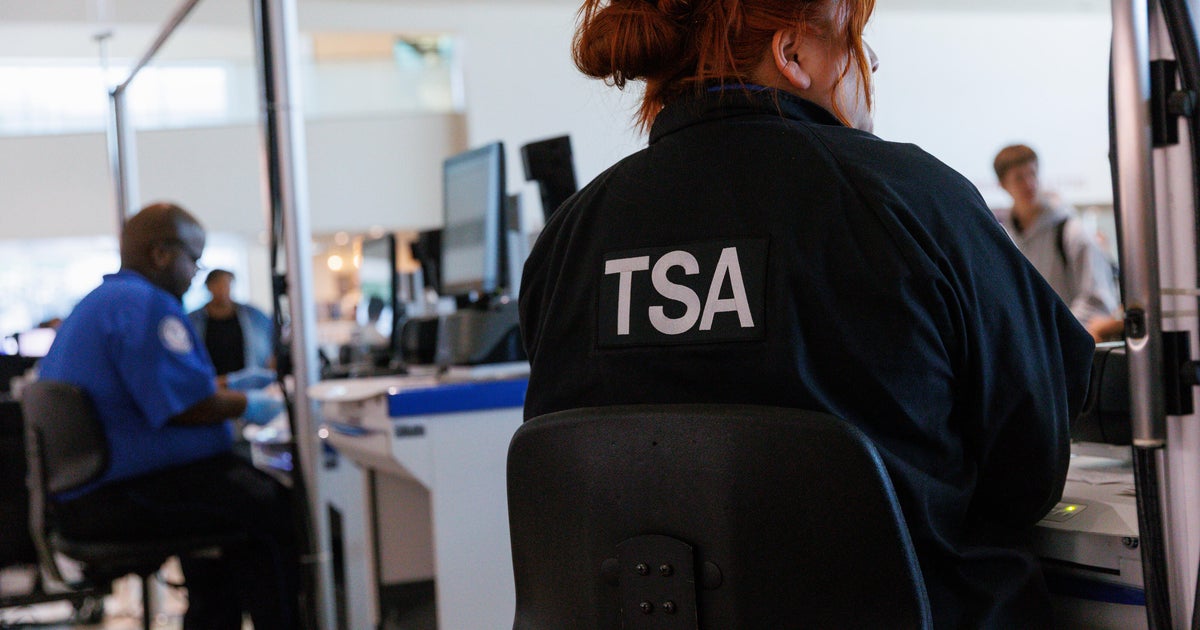
During a partial U.S. government shutdown, many TSA officers missed paychecks, producing high call-out rates and long airport security lines nationwide. President Trump directed Homeland Security Secretary Markwayne Mullin to pay TSA workers immediately. The Department of Homeland Security announced that, under that direction, TSA had begun the process of paying its workforce and that officers could begin receiving pay as early as Monday, March 30. Congress continued negotiating funding: the Senate passed a funding measure that the House rejected, and House Speaker Mike Johnson said the House would vote on its own plan. TSA reported call-out rates near 12% on Thursday and more than 500 agents had resigned during the shutdown. Travel experts told CBS News that after the previous shutdown, call-outs and long wait times dropped markedly once officers were paid, with screening times returning to normal between about two days and up to two weeks after pay resumed. Experts cautioned that morale issues and recruitment/training needs could prolong staffing problems even after pay resumes.
Biblical Reflection
The article reports developments and expert expectations without obvious fabrication, but its framing centers on traveler inconvenience and short-term operational fixes rather than systemic responsibilities or the human dignity of workers. It presents the president's directive and DHS timeline as the principal solution, relying on travel-industry experts to estimate recovery times. That emphasis can underplay deeper policy failures that forced federal employees to work without pay and the longer-term costs to morale, recruitment, and public trust. From a biblical perspective, the situation raises questions about justice and the treatment of workers (their wages, dignity, and welfare) and about civic stewardship: leaders are called to serve the common good (Mark 10:42–45) and to administer resources responsibly (Luke 12:48). The article's urgency about passenger delays is legitimate, but Christians should notice the implicit priorities—convenience and operations—over the welfare of the people being asked to serve without pay. Truthfully assessing the story requires attention to both immediate facts (pay timelines, call-out rates, resignations) and structural responsibility (who is accountable for funding and for protecting workers' livelihoods). Spiritually, this situation invites compassion for those working under strain, patience toward fellow travelers affected by delays, and prudent engagement with how political systems can fail vulnerable workers.
Scripture in context
This outlook does not yet include contextual Scripture citations. Do not treat a general biblical theme as an exegetical conclusion.
Faithful Response
No prescribed response is offered. Consider the reflection prompts below in your own church context.
Reflection and Discussion
- 1Whose needs and voices are centered in this reporting—traveler convenience, operational leaders, or the workers enduring unpaid labor—and how does that choice shape the reader’s moral response?
- 2What assumptions about governmental responsibility and political urgency does the article make, and how might those assumptions obscure longer-term ethical obligations to employees?
- 3How does the story reveal the tension between short-term fixes (paying workers immediately) and longer-term consequences (morale, recruitment, public trust) that require structural accountability?
Sources
Reporting links are evidence inputs; Sanctuary News' biblical reflection is commentary.
This outlook currently relies on fewer than two linked sources. Broaden verification before teaching from it.
- 1.Original reportprimary