News Summary
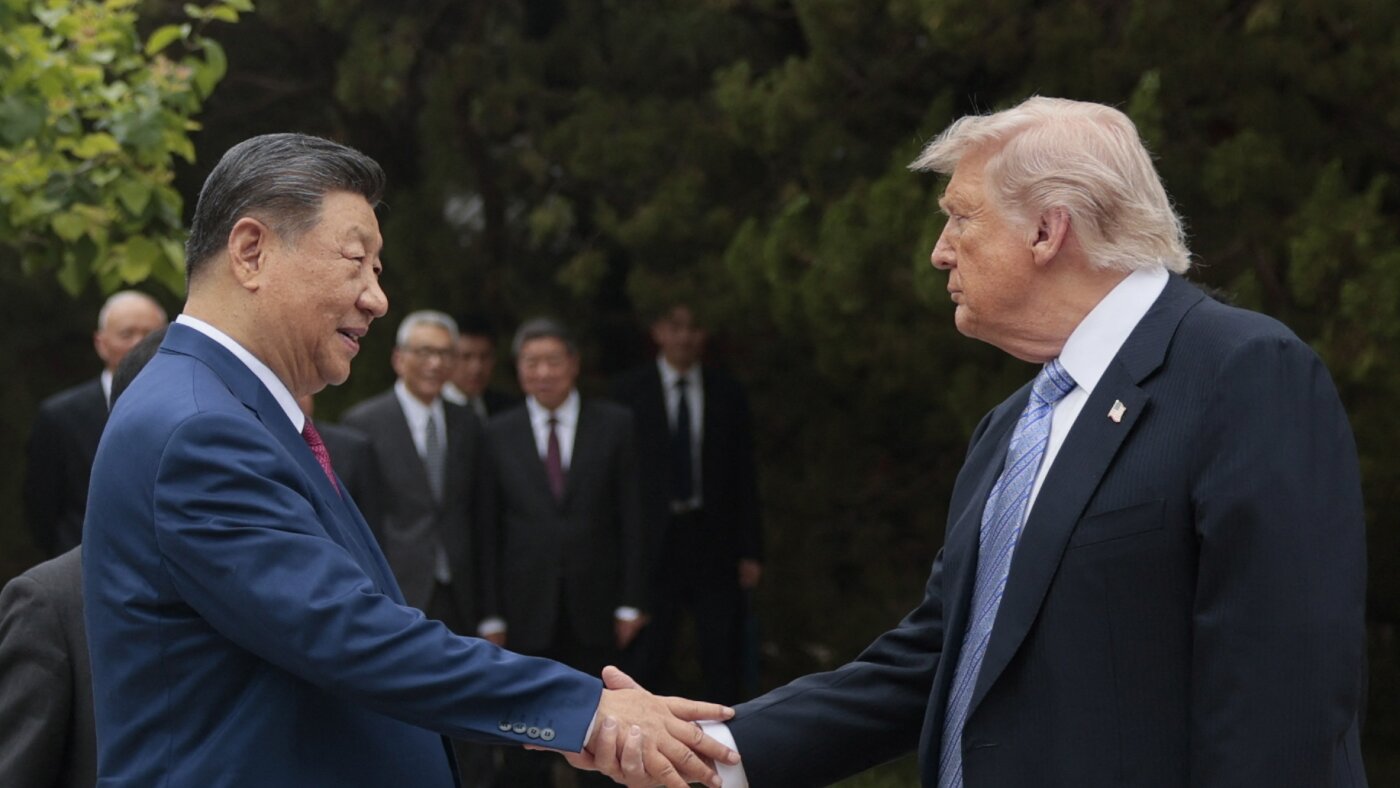
President Trump completed a two-day visit to China that included meetings and ceremonial events with Chinese leader Xi Jinping, a rare visit to the Zhongnanhai leadership compound, a state banquet, and a tour of cultural sites. Trump described the trip as positive and said China would buy large quantities of soybeans and order 200 Boeing jets; those purchases had not been confirmed by Chinese officials and the White House did not release formal written agreements detailing commitments. The meeting emphasized personal rapport between Trump and Xi; public Chinese statements stressed longer-term stability in bilateral ties and warned that mishandling the Taiwan issue could jeopardize China–U.S. relations. The U.S. readout did not mention Taiwan; the article quotes Marco Rubio on U.S. policy toward Taiwan but misidentifies him as Secretary of State (he is a U.S. senator). Both leaders said they discussed the Middle East and nonproliferation concerns. Analysts quoted in the article contrasted Trump’s personal, transactional diplomatic style with China’s deliberate, state-centered approach.
Biblical Reflection
The article reports high-profile diplomacy mixed with limited verifiable outcomes. From a Christian perspective, the coverage highlights several realities to weigh: (1) Pageantry and personal chemistry can create public impressions of progress without producing concrete, verifiable commitments — Christians should prize truth and accountability over impression. (2) National leaders advance national interests; discerning those interests and their moral implications requires careful, fact-based evaluation rather than emotive praise or criticism. (3) The Taiwan warning underscores real moral and security stakes where human lives and justice may be affected; Christians ought to pray for peace and prudent stewardship of power. The piece also demonstrates common media tendencies: focus on color (banquets, roses, compliments) and leader personalities, occasional factual slips (misidentifying Marco Rubio), and reliance on leaders’ spoken claims without documentary confirmation. Scripture calls believers to seek truth, practice humility, and advocate for justice; those virtues suggest caution before embracing unverified claims and a responsibility to hold leaders accountable for truthful reporting and for policies that protect vulnerable people.
Scripture in context
This outlook does not yet include contextual Scripture citations. Do not treat a general biblical theme as an exegetical conclusion.
Faithful Response
No prescribed response is offered. Consider the reflection prompts below in your own church context.
Reflection and Discussion
- 1What evidence is offered for the trade claims, and how should Christians treat leader statements that lack written confirmation?
- 2How does emphasis on ceremonies and personal praise shape public perception of diplomacy, and what does that tell us about valuing appearance over substance?
- 3Where are moral and humanitarian stakes (e.g., Taiwan, regional security) in this visit, and are those stakes being addressed with the seriousness they deserve?
Sources
Reporting links are evidence inputs; Sanctuary News' biblical reflection is commentary.
This outlook currently relies on fewer than two linked sources. Broaden verification before teaching from it.
- 1.Original reportprimary