News Summary
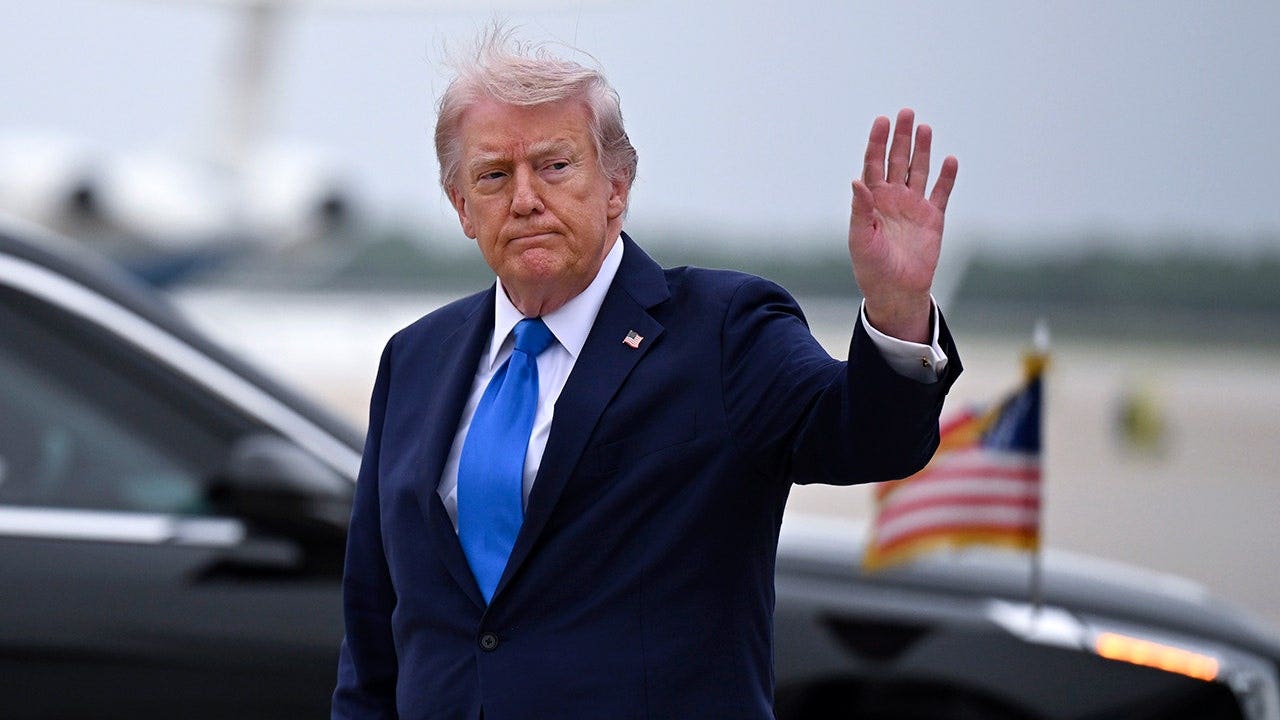
President Donald Trump will hold a Cabinet meeting at Camp David on Wednesday; all Cabinet members are expected to attend, including outgoing Director of National Intelligence Tulsi Gabbard. The meeting coincides with a critical phase of negotiations between the United States and Iran amid a fraying ceasefire. White House messaging indicates officials will review domestic items (economic wins, a Task Force on fraud) and provide foreign policy updates. Trump has publicly signaled optimism that talks could produce progress while warning that military options remain on the table if diplomacy fails. The U.S. conducted limited strikes near the Strait of Hormuz this week, which officials described as defensive actions against mine-laying vessels and missile launchers. The report notes internal debate within Trump’s political coalition about further U.S. military involvement in the region.
Biblical Reflection
Viewed through a Christian pastoral lens, this report raises familiar tensions between the legitimate call to protect citizens and the biblical imperative to pursue peace and justice. The article largely relays official statements and events without deep examination of humanitarian stakes, regional civilian impacts, or Iranian perspectives; that selective emphasis can compress complex moral realities into questions of diplomatic success versus military force. Christians should note the spiritual and ethical dimensions behind policy language like “ultimatum” and “military options”—such rhetoric can harden hearts and obscure the human cost of conflict. At the same time, leaders bear responsibility to act prudently to prevent harm. Discernment requires asking whether coverage privileges power and security narratives at the expense of peacemaking, whether voices calling for restraint and protection of noncombatants are being heard, and whether the pursuit of national interests is being balanced with humility, truth-telling, and concern for our neighbors. Pray for negotiators to seek just and durable peace, for transparency from leaders so citizens can weigh moral implications, and for Christians to be advocates for restraint, truth, and care for those who suffer in geopolitical struggles.
Scripture in context
This outlook does not yet include contextual Scripture citations. Do not treat a general biblical theme as an exegetical conclusion.
Faithful Response
No prescribed response is offered. Consider the reflection prompts below in your own church context.
Reflection and Discussion
- 1Whose voices and human costs are missing when the story centers predominantly on military options and political strategy?
- 2Does the article's framing prioritize state security over long-term justice and the wellbeing of civilians in the region?
- 3How might rhetoric of urgency and ultimatums shape public opinion and constrain the space for patient, honest diplomacy?
Sources
Reporting links are evidence inputs; Sanctuary News' biblical reflection is commentary.
This outlook currently relies on fewer than two linked sources. Broaden verification before teaching from it.
- 1.Original reportprimary