News Summary
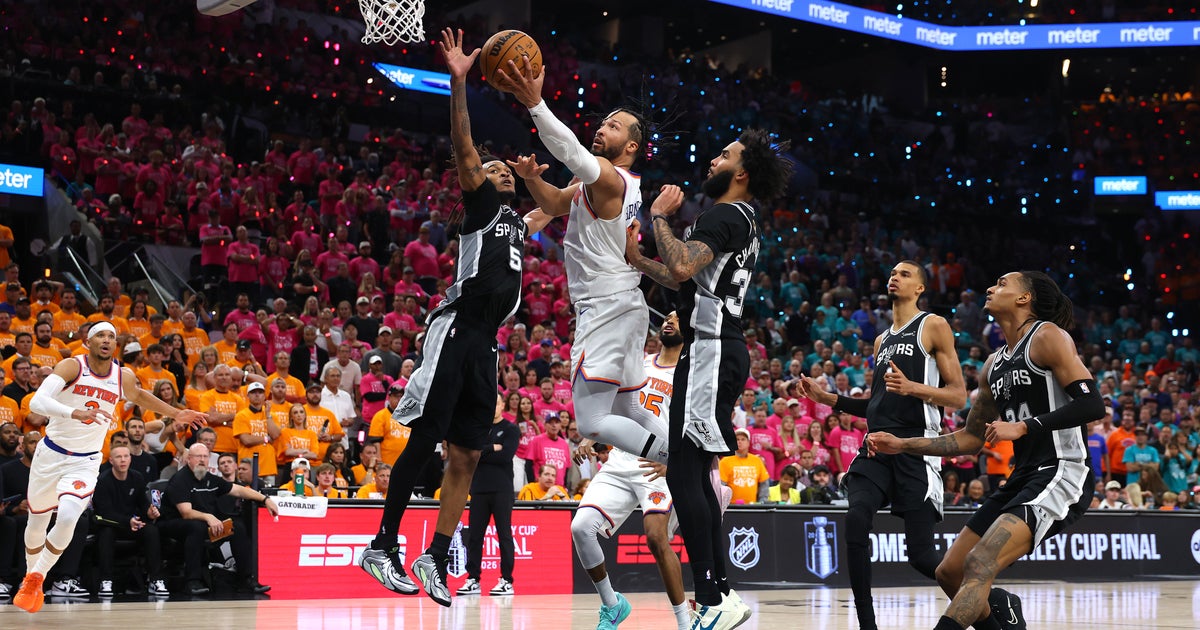
President Donald Trump is scheduled to attend Game 3 of the 2026 NBA Finals at Madison Square Garden in New York City on June 8, a matchup between the New York Knicks and the San Antonio Spurs. The White House published an official schedule confirming the visit; the president said he was invited by Knicks owner James Dolan, who has donated to Trump’s political campaigns. Law enforcement agencies are coordinating heightened security for the event; Madison Square Garden is located in Midtown Manhattan above Penn Station. New York City Mayor Zohran Mamdani also intends to attend but plans to sit in a different section from the president. The article provides context about Trump’s history with major sporting events, his past support for NBA players and teams as a New York businessman, and his later criticisms of the NBA and certain athletes during his first term. It notes comments by NBA Commissioner Adam Silver about sports’ ability to bring people together and mentions public reactions from figures such as Spurs player Victor Wembanyama. The Knicks won Game 1 of the finals 105–95 in San Antonio earlier in the series.
Biblical Reflection
This article reports a public appearance that sits at the intersection of politics, culture, and entertainment. The facts are straightforward: an invitation, a confirmed schedule, and preparations for security. The surrounding detail — campaign donations, past disputes between the president and league figures, and remarks by the NBA commissioner and players — frames the visit as more than a private fan attending a game. Christians should note two tensions. First, sports often function as a neutral civic space where people of different views meet; leaders attending such events can either model unity or amplify division, depending on posture and reception. Second, the piece quietly highlights how political, commercial, and personal relationships overlap in public life (an owner’s donations, a president’s attendance), raising questions about influence and the ethics of power. The article itself largely presents verifiable facts and quotes, but its selection of historical conflicts (feuds, criticisms, donations) creates a narrative lens that invites readers to see the visit as politically significant. A Christian response will weigh truth and charity: affirm the article’s factual reporting, be wary of letting partisan framing become the primary story, and remember the gospel call to seek peace and the common good amid public spectacle.
Scripture in context
This outlook does not yet include contextual Scripture citations. Do not treat a general biblical theme as an exegetical conclusion.
Faithful Response
No prescribed response is offered. Consider the reflection prompts below in your own church context.
Reflection and Discussion
- 1How does highlighting campaign donations and past conflicts shape your view of a public appearance that might otherwise seem purely social?
- 2When political leaders enter shared cultural spaces, does their presence more often foster common ground or deepen division — and what indicators help you decide which it will be?
- 3What signs should we look for to distinguish responsible civic engagement by leaders from actions primarily driven by personal or commercial interests?
Sources
Reporting links are evidence inputs; Sanctuary News' biblical reflection is commentary.
This outlook currently relies on fewer than two linked sources. Broaden verification before teaching from it.
- 1.Original reportprimary