News Summary
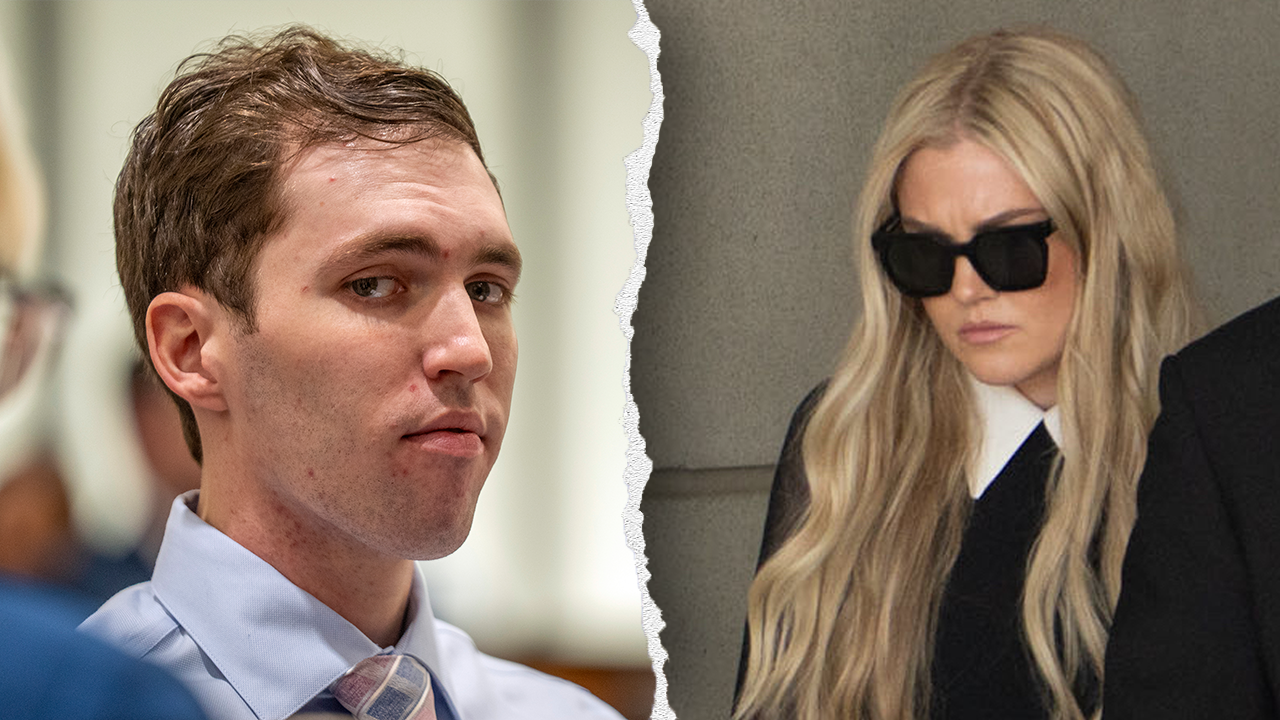
On July 6, 2026, a preliminary hearing began in Provo, Utah, for 23-year-old Tyler Robinson, who is accused of killing conservative activist Charlie Kirk on Sept. 10, 2025, during an outdoor event at Utah Valley University. Court testimony and evidence presented included video and audio of the shooting (viewed by the judge and attorneys but not by Kirk’s family), an autopsy listing cause of death as a gunshot wound to the neck, and investigator testimony describing rooftop impressions, footprints, a screwdriver found on a roof, and surveillance images allegedly showing the suspect on the roof. An officer testified he believed the fatal shot came from the Losee Center rooftop. Prosecutors also showed video of a vehicle allegedly associated with Robinson near the campus after midnight the following day; defense counsel successfully objected to one edited surveillance clip for lack of authentication, with prosecutors saying they would later supply an unedited version. Family members of Kirk attended part of the hearing and left when warned about graphic evidence. Robinson showed no visible reaction when audio of the fatal shot was played for the judge and attorneys. High-profile supporters of the Kirks were present in court. Prosecutors intend to call additional witnesses, including previously recorded statements from others allegedly connected to the case; Robinson has not yet entered a plea and faces aggravated murder charges that carry potential death-penalty exposure if convicted. The preliminary hearing is expected to continue over several days.
Biblical Reflection
This report is primarily courtroom reporting: it documents evidence presented, witness testimony, and procedural rulings without reaching conclusions about guilt. The piece emphasizes graphic evidence and observable reactions, which can shape readers’ emotions and impressions before full adjudication. Christians are called both to seek justice and to guard against premature judgment or exploitation of tragedy for political ends. The public nature of the crime and the presence of partisan figures make it likely the case will be framed through political lenses; readers should separate verified court evidence from inference and media dramatization. Compassion for the grieving family and respect for due process coexist: we can mourn a violent death, pray for accountability, and still resist dehumanizing the accused before the legal process concludes. Finally, the coverage highlights the broader social cost of political violence — it wounds communities, distorts discourse, and calls the church to promote peace and truthful witness in civic life.
Scripture in context
This outlook does not yet include contextual Scripture citations. Do not treat a general biblical theme as an exegetical conclusion.
Faithful Response
No prescribed response is offered. Consider the reflection prompts below in your own church context.
Reflection and Discussion
- 1Are we allowing political identity or high-profile endorsements to shape how we interpret courtroom evidence and testimony?
- 2Does the media’s focus on graphic details advance public understanding or risk retraumatizing victims and prejudicing public opinion?
- 3How can Christians hold together a demand for justice with the impulse to offer mercy and dignity to all involved?
Sources
Reporting links are evidence inputs; Sanctuary News' biblical reflection is commentary.
This outlook currently relies on fewer than two linked sources. Broaden verification before teaching from it.
- 1.Original reportprimary