News Summary
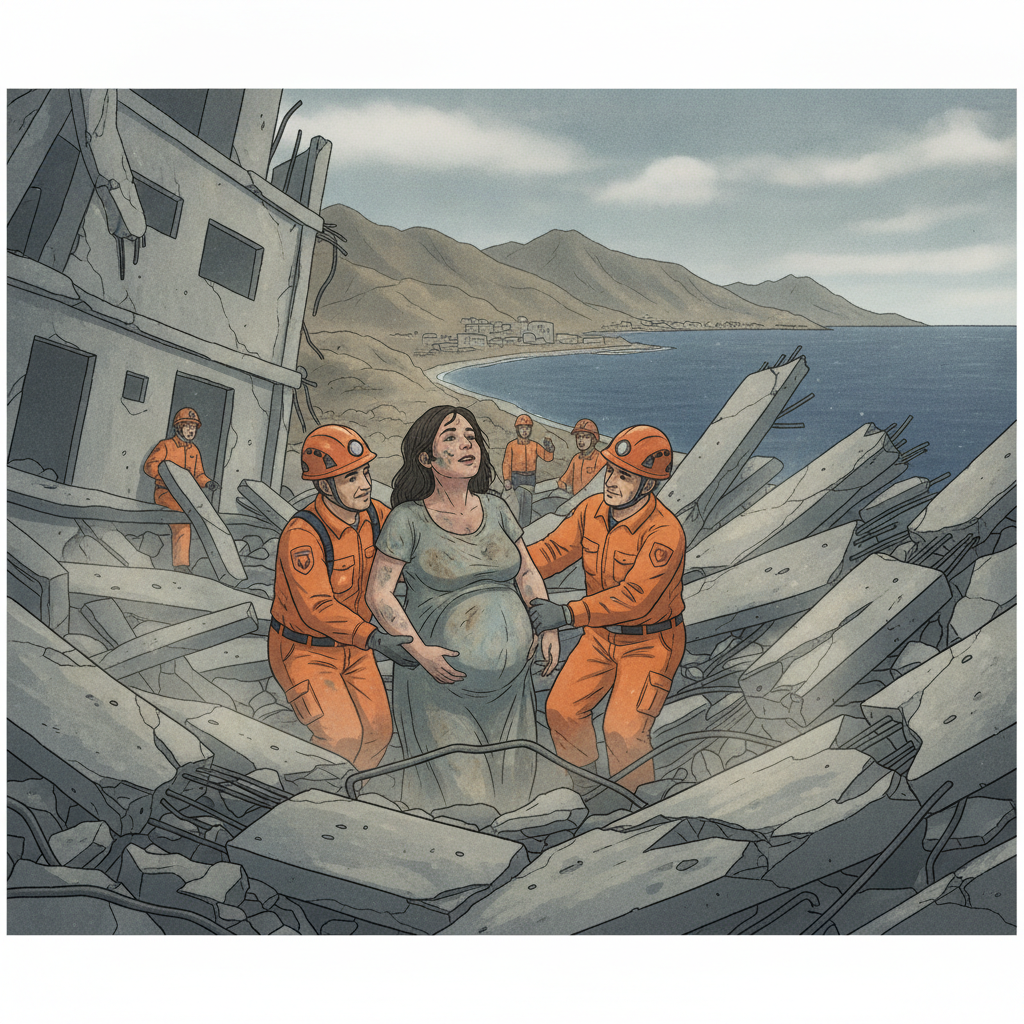
Reported facts: UN News states that two powerful earthquakes late last month caused a 12‑story apartment building in La Guaira, Venezuela, to pancake and that rescue efforts followed; a pregnant woman was pulled alive from the rubble and her survival was described as 'a miracle.' Attributed claims: the description of the rescue as a 'miracle' is an interpretive characterization attributed to people in the report. Uncertainties: the article does not provide numbers of dead, injured, or displaced; it does not report official investigations into building failure, nor does it give detailed timelines or medical condition updates for those rescued.
Source and Framing Analysis
The piece is framed around a dramatic human‑interest rescue and uses emotive language ('miracle') that foregrounds survival and gratitude. That framing is legitimate for a human story but creates material uncertainty about scale and systemic causes because the report omits casualty totals, official statements, and details about building standards or maintenance. Those absences matter: they limit readers' ability to assess whether the survival was an isolated story or part of a larger catastrophe requiring sustained humanitarian response and structural reform.
Biblical Reflection
This story highlights human vulnerability in the face of natural disaster and invites a pastoral response of compassion, lament, and practical care. The article centers a dramatic rescue that encourages gratitude and hope, but it offers limited information about broader harm, causes, or ongoing needs; readers should avoid letting the moving account of one survival obscure the likely larger and complex humanitarian needs that follow earthquakes. A Christian response looks both inward in prayer and outward in concrete help — supporting survivors, honoring those who suffered loss, and seeking justice and prevention (for instance, safer housing and effective emergency preparedness) where systemic failures contributed to harm.
Scripture in context
- 1Luke 10:25–37 (Parable of the Good Samaritan) — In Luke, a teacher of the law asks Jesus about inheriting eternal life; Jesus tells the story of a man beaten and left for dead, cared for by a Samaritan — an example of neighborly mercy across social boundaries. — The passage highlights practical compassion: Christians are called to cross social and cultural walls to help injured neighbors immediately, not merely to record sympathy. In disasters, this means rescue, medical care, shelter, and ongoing support regardless of identity.
- 2Matthew 25:31–46 (Sheep and Goats) — Jesus speaks about final judgment, commending those who fed the hungry, gave drink to the thirsty, welcomed strangers, clothed the naked, and visited the sick and imprisoned. — These verses ground Christian service in care for bodily needs. Responding to earthquake survivors — providing food, shelter, medical help, and advocacy — is one way the church bears witness to Christ’s concern for the least and most vulnerable.
Faithful Response
Pray intentionally for survivors, rescue teams, medical personnel, and local leaders, naming both gratitude for lives saved and grief for loss.
Give to reputable local or international relief organizations working on the ground rather than to unverified appeals; prioritize medical care, maternal health services, shelter, and safe housing.
Volunteer practical help through churches or vetted NGOs (logistics, childcare, trauma support), and educate oneself about disaster response best practices.
Advocate within your community and with local authorities for safer building standards and emergency preparedness for vulnerable neighborhoods.
Reflection and Discussion
- 1How does this account challenge you to move from feeling compassion to taking specific help‑oriented action for those harmed by disaster?
- 2In what ways might our prayers for 'miracles' also call us to pursue justice that prevents future harm for vulnerable neighbors?
Sources
Reporting links are evidence inputs; Sanctuary News' biblical reflection is commentary.
This outlook currently relies on fewer than two linked sources. Broaden verification before teaching from it.
- 1.‘I consider it a miracle’: Pregnant woman pulled from post-quake rubble in Venezuelaofficial_document