News Summary
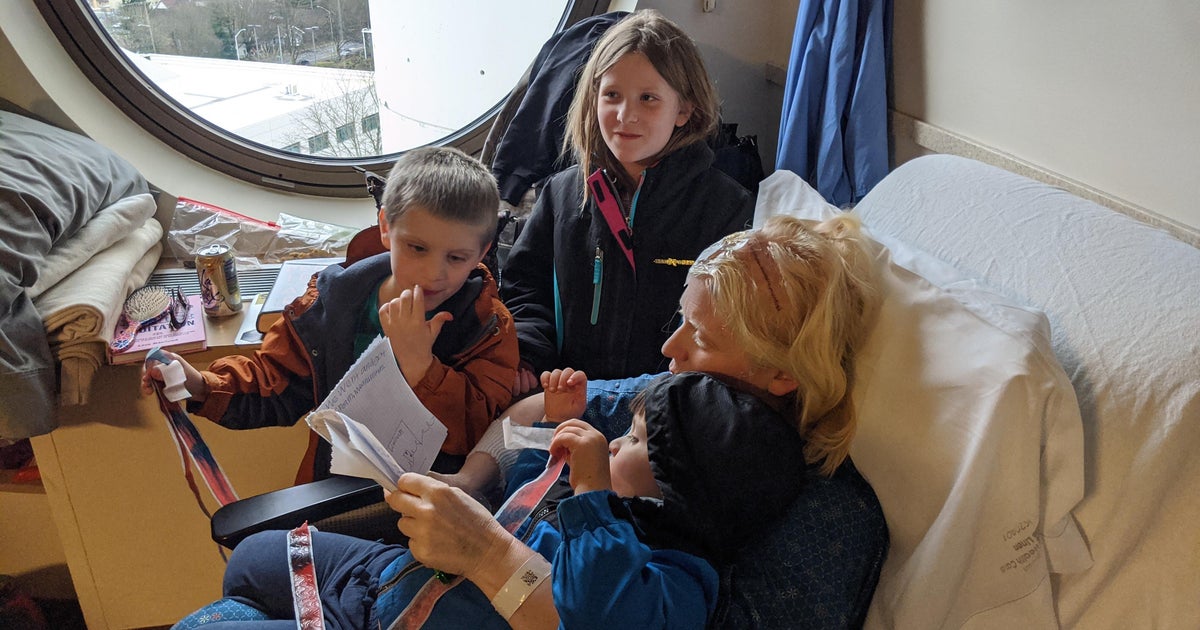
In 2020, while about 22 weeks pregnant, Jenney Bitner experienced headaches, nausea, vomiting and unsteadiness. After two urgent-care visits that attributed her symptoms to pregnancy, she fell twice and was taken to an emergency room. An MRI found a large brain tumor; surgery removed most of it and pathology identified Stage IV metastatic melanoma with a palpable nodule on her back. Because immunotherapy posed risks to the fetus, doctors monitored her and delivered her baby by C-section at 34 weeks. The brain tumor regrew rapidly; a second surgery removed it completely. Bitner began immunotherapy in early June 2020, experienced serious but treatable side effects (an allergic reaction and encephalitis), and showed dramatic tumor regression. By October 2020 her oncologist reported no evidence of disease. Nearly six years later (article published 2026), Bitner is alive, raising her family and advocating for immunotherapy research. The article includes perspective from a cancer-research CEO describing immunotherapy as transformative for some patients and notes that five-year survival for widely metastatic melanoma remains limited for many.
Biblical Reflection
This article presents a true, human-centered account of a single patient’s medical crisis and recovery. It affirms the power of modern medicine—particularly immunotherapy—to change outcomes for some patients, and it rightly celebrates life, family, and gratitude. At the same time, as Christians called to truth and mercy, we should note the story’s limits: it is an anecdote, not a representative sample of outcomes. The framing risks implying that medical advances equal universal cure and that individual faith or gratitude explains survival; Scripture calls us to hope without reducing suffering to moral failure. The piece also raises ethical and pastoral concerns: the initial minimization of symptoms (especially in pregnancy) points to systemic problems in clinical care and the need to advocate for the vulnerable. A balanced Christian response holds together thanksgiving for scientific progress, compassion for those who still suffer, support for equitable access to care, and humility before mysteries of life and death. We should celebrate healings, press for better listening and diagnostics in healthcare, and avoid triumphalizing one survivor’s story in ways that shame or silence others who do not recover.
Scripture in context
This outlook does not yet include contextual Scripture citations. Do not treat a general biblical theme as an exegetical conclusion.
Faithful Response
No prescribed response is offered. Consider the reflection prompts below in your own church context.
Reflection and Discussion
- 1Does this story lead me to see medical recovery as a sign of special favor, and how might that belief shape my compassion for others who don’t recover?
- 2How do we guard against accepting single success stories as proof that treatments are universally effective, and what responsibility do we have to press for better diagnosis and access to care?
- 3What attitudes toward vulnerability, family, and community are revealed when symptoms—especially in women and pregnant people—are dismissed as routine?
Sources
Reporting links are evidence inputs; Sanctuary News' biblical reflection is commentary.
This outlook currently relies on fewer than two linked sources. Broaden verification before teaching from it.
- 1.Original reportprimary