News Summary
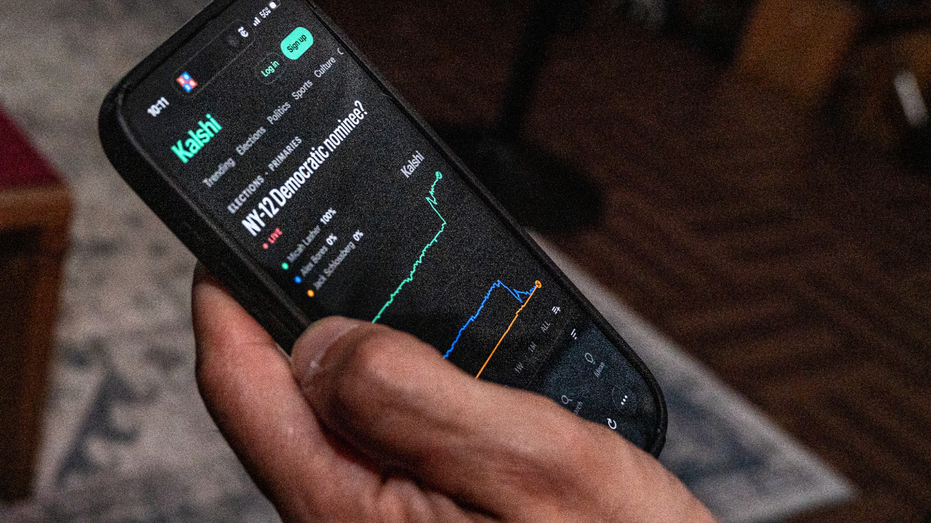
Reported facts: The Fox News opinion piece claims that contemporary prediction markets enable many participants to profit from insider information. Attributed claims: The author cites, as examples or warnings, soldiers allegedly betting on military actions and White House teleprompter operators trading on privileged information. Assertions: The article asserts this dynamic could create a widespread class of inside traders and highlights regulatory and enforcement challenges. Uncertainty: The supplied article is an opinion column and does not provide independent empirical data, named investigations, or court cases within the supplied material to quantify the phenomenon or prove the specific examples.
Source and Framing Analysis
This is a single-author opinion column published by Fox News. Opinion pieces commonly use hypotheticals and striking examples to persuade; the supplied package does not include independent reporting, named sources, or empirical studies to substantiate the scale or frequency of insider trading via prediction markets. That framing — persuasive rather than investigative — matters for how strongly readers should treat the asserted prevalence and national-security consequences.
Biblical Reflection
The piece highlights a real moral and civic concern: markets that reward trading on nonpublic information can incentivize dishonesty, harm trust, and endanger others when the information pertains to security or public welfare. Christians should receive the caution seriously. Scripture urges fairness in commerce and warns against gaining by harming neighbors or exploiting hidden knowledge; insofar as prediction markets could reward secrecy, manipulation, or endangerment, they raise ethical red flags.
At the same time, the article is an opinion piece with broad claims and evocative examples but limited publicly cited evidence in this package. A faithful Christian response balances prudence and truth-seeking: avoid jumping to panic, seek facts, and advocate for reforms that protect the vulnerable and public goods (security, fair markets, privacy) rather than simply broad prohibition motivated by fear or partisan framing. Christians should press for transparency, legal clarity, and accountability while resisting the temptation to profit from other people's harm.
Practically, this story summons the church to hold both markets and public institutions to standards of justice and neighbor-love. That includes encouraging ethical conduct among believers who work in sensitive roles, supporting whistleblower protections, and urging lawmakers and platforms to craft rules that prevent abusive insider profit without stifling legitimate, transparent forecasting that can serve the common good.
Scripture in context
- 1Proverbs 11:1 (honest scales) — Proverbs is a collection of wisdom sayings addressing practical ethics for individuals and communities; sayings about honest scales address fair dealing in commerce in ancient marketplaces. — The proverb calls Christians to fair practices in trade and to oppose profit made through deceit or exploitation; applied here, it warns against financial mechanisms that reward unfair advantage or hidden harm.
- 2Luke 12:15 (guard against covetousness) — Jesus teaches about the dangers of greed and misplaced trust in wealth while addressing disciples and crowds about priorities and the meaning of life. — This passage cautions believers to evaluate motives behind participation in speculative platforms—whether profit-seeking eclipses concern for neighbors and stewardship of one’s vocation.
Faithful Response
Refuse to participate in or profit from trades that depend on nonpublic, harmful information; err on the side of transparency.
Pray and seek counsel when employed in positions with privileged information; consider recusal or reporting obligations where appropriate.
Advocate for legal and institutional safeguards: clear rules, enforcement, whistleblower protections, and ethical guidance for workers in sensitive roles.
Educate your congregation about the ethical implications of new financial technologies and encourage responsible stewardship and accountability.
Reflection and Discussion
- 1How would love of neighbor change the way we evaluate participation in speculative markets that rely on privileged information?
- 2What structural reforms — not just individual restraint — might prevent exploitation while preserving legitimate uses of forecasting?
- 3In what ways should Christians press public institutions to prioritize security and justice over private profit opportunities?
Sources
Reporting links are evidence inputs; Sanctuary News' biblical reflection is commentary.
This outlook currently relies on fewer than two linked sources. Broaden verification before teaching from it.
- 1.DAVID MARCUS: Brave new world of prediction markets can make us all inside tradersprimary_reporting