News Summary
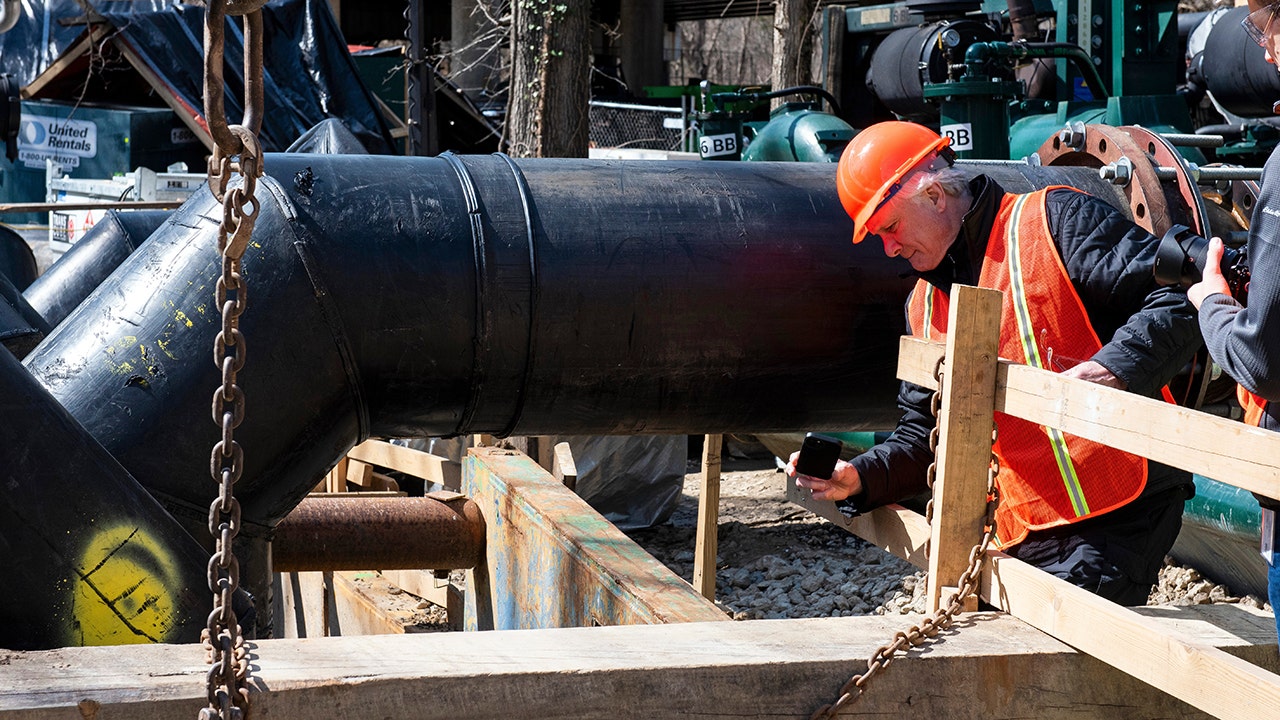
A major sewer interceptor broke on Jan. 19, releasing more than 240 million gallons of raw sewage into the Potomac River. D.C. officials declared an emergency and requested federal aid; President Donald Trump approved a federal disaster declaration that allowed FEMA to assist. DC Water reports emergency repairs to the Potomac Interceptor are complete, full flow has been restored, and site restoration (including draining the C&O Canal) has been carried out. The incident prompted public-health concerns (including E. coli surges), political blame between federal and local leaders, a class-action lawsuit alleging negligence by DC Water, and broad attention as cleanup concluded ahead of summer America250 celebrations.
Biblical Reflection
From a biblical perspective this story raises several spiritual and moral concerns. The spill is first and foremost an issue of stewardship: God gave humanity care of creation (Genesis 2:15), and the contamination of a major river with raw sewage is a failure to protect a common good that sustains life and community. Scripture calls for loving our neighbor (Mark 12:31) and protecting the vulnerable; environmental harm and public-health risks disproportionately affect recreation-dependent livelihoods, children, and those who cannot avoid contaminated water.
The political finger-pointing evident in the article points to another common sin: pride and refusal to accept responsibility (see Proverbs 28:13). Christians are called to pursue truth, confess wrongdoing, and work together for repair, not to score points from disaster. That said, the demand for accountability and justice for negligent actors is also biblical (Isaiah 1:17; Micah 6:8): when institutions fail and harm others, communities should seek repair, compensation where appropriate, and structural change so harm is not repeated.
Finally, the cleanup’s completion offers a small measure of hope and a reminder of God’s work of restoration. But restoration must include prevention — better maintenance, transparency, and cooperation across jurisdictional lines — virtues the Bible commends: humility, stewardship, honest speech, and care for neighbors. Christians should pray for those affected, advocate for long-term stewardship of natural resources, and resist the temptation to weaponize tragedy for partisan gain.
Scripture in context
This outlook does not yet include contextual Scripture citations. Do not treat a general biblical theme as an exegetical conclusion.
Faithful Response
No prescribed response is offered. Consider the reflection prompts below in your own church context.
Reflection and Discussion
- 1How does my lifestyle and local civic engagement reflect biblical stewardship of creation?
- 2When public harm occurs, am I inclined to demand accountability constructively or to use the situation for partisan advantage?
- 3What practical steps can my church or community take to help care for local waterways and support those harmed by environmental incidents?
Sources
Reporting links are evidence inputs; Sanctuary News' biblical reflection is commentary.
This outlook currently relies on fewer than two linked sources. Broaden verification before teaching from it.
- 1.Original reportprimary