News Summary
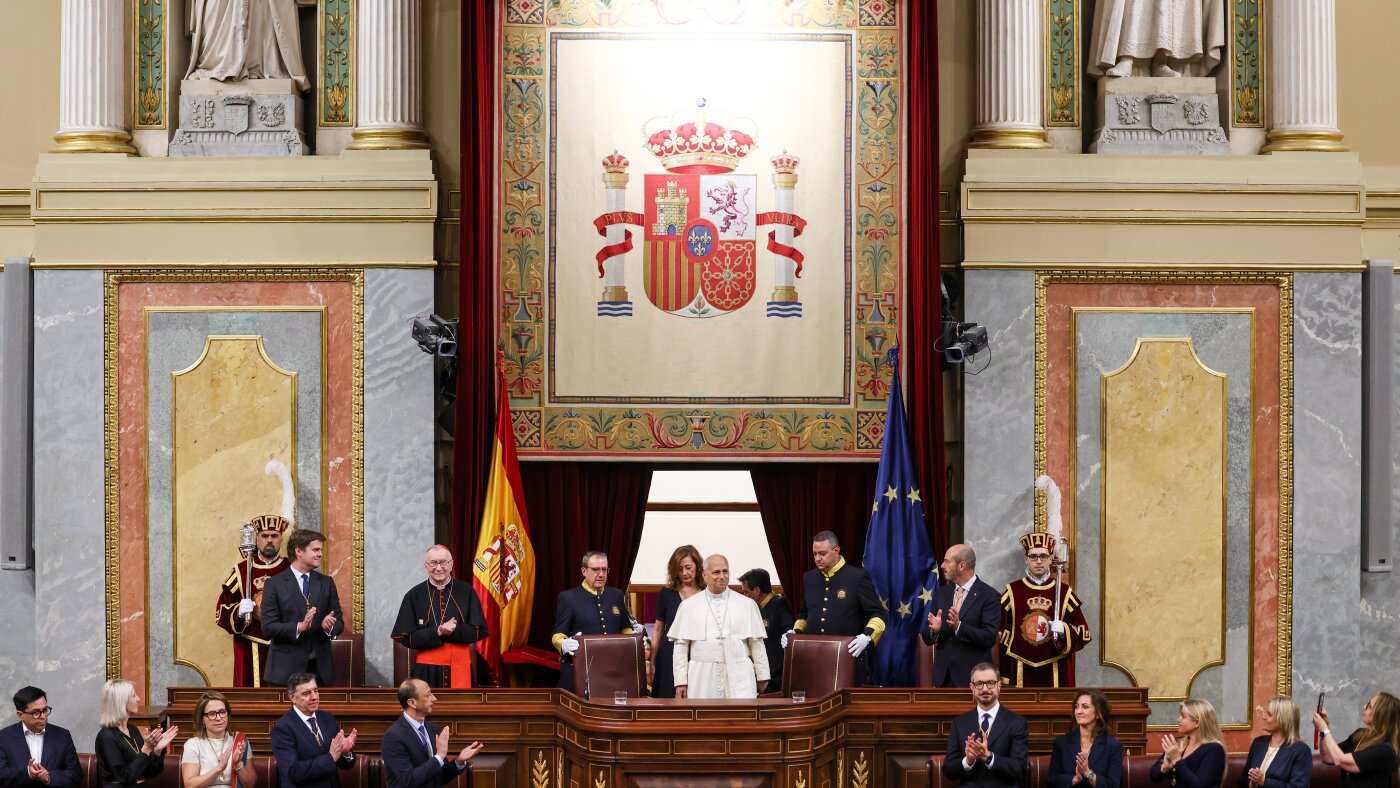
Pope Leo XIV delivered the first-ever papal address to the Spanish legislature in Madrid, calling for a "moral renewal" in public life that upholds the inherent dignity of all people, including migrants, the unborn and other vulnerable groups. He urged respect for international law, diplomatic solutions to conflict, and stronger multilateral efforts to prevent human smuggling while providing safe, legal pathways and integration for those who flee violence, poverty, or climate pressures. The pope warned against a new wave of rearmament in Europe, urged ethical oversight of AI-enabled autonomous weapons, and referenced the School of Salamanca's early contributions to international law while acknowledging the Church's historical complicity in colonial injustices and slavery. His speech received a bipartisan standing ovation. The visit occurred amid tensions in the Middle East, rising European defense spending, and domestic political strain for Spain's prime minister, Pedro Sánchez; Sánchez and the pope have publicly aligned on calls for dialogue and humanitarian approaches to migration and conflict.
Biblical Reflection
The pope's message affirms core Christian commitments: the worth of every person, care for the stranger, and the pursuit of peace and justice. His public apology about the Church's past and his appeal for ethical limits on power show humility and repentance, virtues central to credible Christian witness. The speech also engages contemporary policy debates—migration, defense spending, AI weapons—and therefore carries political implications. Christians should welcome calls to protect the weak and to seek nonviolent dispute resolution, while remaining attentive to the risk of the Church becoming identified with particular parties or policies. The pope's emphasis on both welcoming migrants and improving conditions so people can remain at home reflects a balanced concern for neighbor-love and structural justice. At the same time, Christians should critically discern where political coalitions might co-opt religious authority, and insist that moral teaching remain rooted in truth, charity, and the common good rather than partisan advantage.
Scripture in context
This outlook does not yet include contextual Scripture citations. Do not treat a general biblical theme as an exegetical conclusion.
Faithful Response
No prescribed response is offered. Consider the reflection prompts below in your own church context.
Reflection and Discussion
- 1How can the Church speak prophetically about justice and peace without becoming partisan or losing moral credibility?
- 2Are there blind spots in public moral appeals—do they address both personal conversion and structural change?
- 3When religious leaders address governments, what measures keep their witness accountable to truth, humility, and the common good?
Sources
Reporting links are evidence inputs; Sanctuary News' biblical reflection is commentary.
This outlook currently relies on fewer than two linked sources. Broaden verification before teaching from it.
- 1.Original reportprimary