News Summary
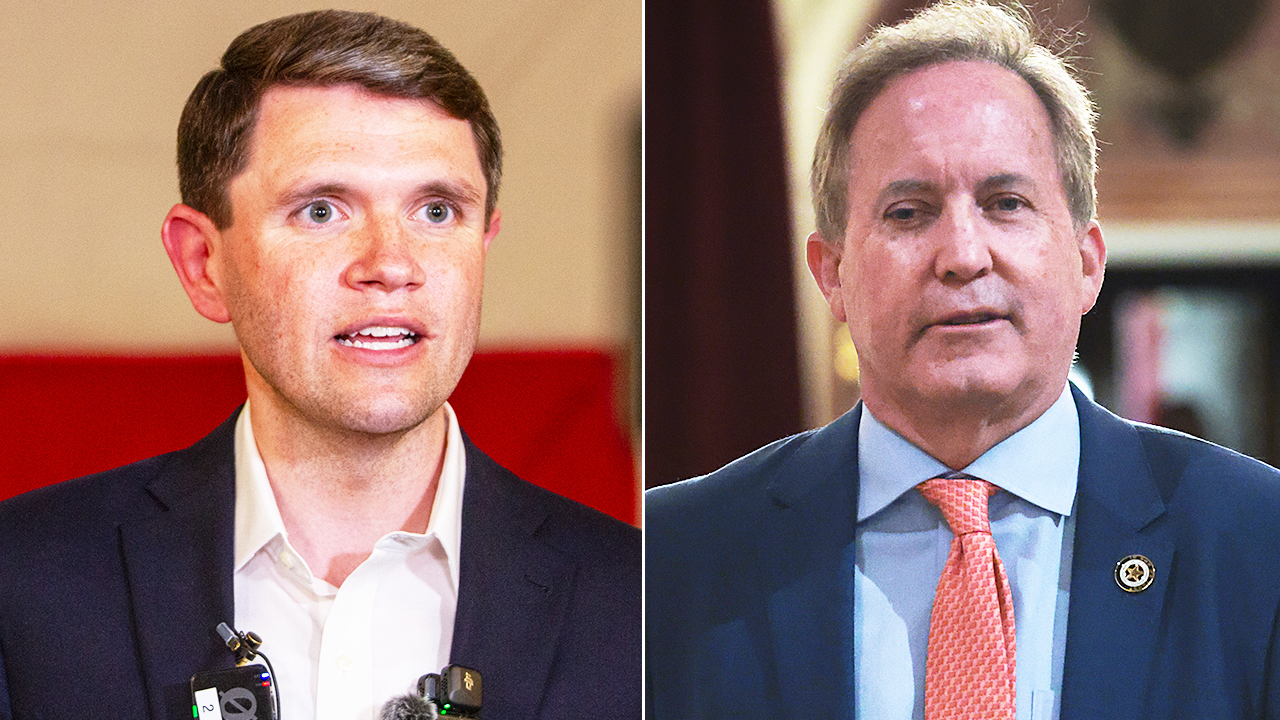
A New York Times/Siena survey of likely Texas voters released Tuesday shows Democratic nominee James Talarico and Republican nominee Ken Paxton tied at 47% each. Paxton won the Republican runoff over Sen. John Cornyn after receiving former President Trump’s endorsement; he has faced past impeachment by the Texas House in 2023 and was acquitted by the state Senate, and he is navigating personal legal and marital controversy. The poll finds fewer than 40% say Paxton has good character or the right moral values, and half view him as too extreme. Talarico, 37, is a former teacher and Presbyterian seminarian who won the Democratic primary and raised about $27 million in the first quarter; the poll shows him with 61% of Hispanic support, a 27-point lead among independents, and an 18-point advantage among women (while Paxton leads men by 18 points). A majority of respondents saw the Democratic Party as too far left, and 12% of Black voters reported a negative view of Talarico. The survey also reports 60% disapproval of Trump’s handling of cost-of-living issues, and notes Paxton’s 47% support is below the 50% of respondents who said they preferred Republicans to control the Senate.
Biblical Reflection
From a Christian perspective, this article highlights both the civic importance of elections and the moral challenges of contemporary political life. The poll signals that character questions, policy concerns (especially economic), and identity messaging all shape voters’ choices. The article reports partisan attack language and nicknames used by Paxton and emphasizes scandal and personal controversy; such framing can inflame divisions and encourage judgmental tribalism rather than careful discernment. Christians are called to seek truth and justice: verify claims about a candidate’s conduct and record, weigh the real policy effects on neighbors (food prices, healthcare, civil rights), and resist dehumanizing rhetoric even while holding leaders accountable. Pastoral prudence also warns against reducing leadership to personality or culture-war flashpoints; faithful civic engagement looks for integrity, humility, competence, and love for the vulnerable. Finally, remember polls are a snapshot, not destiny—Christians should weigh information but center actions on covenantal love and responsibility.
Scripture in context
This outlook does not yet include contextual Scripture citations. Do not treat a general biblical theme as an exegetical conclusion.
Faithful Response
No prescribed response is offered. Consider the reflection prompts below in your own church context.
Reflection and Discussion
- 1Are we letting scandal-driven headlines or partisan nicknames replace sober judgment about a candidate’s character and policy record?
- 2Which measurable policies from either campaign will most affect low-income families and how do those outcomes align with Christian concern for the vulnerable?
- 3How does media framing in this piece shape our emotions and priorities—does it push us toward fear, anger, or informed stewardship?
Sources
Reporting links are evidence inputs; Sanctuary News' biblical reflection is commentary.
This outlook currently relies on fewer than two linked sources. Broaden verification before teaching from it.
- 1.Original reportprimary