News Summary
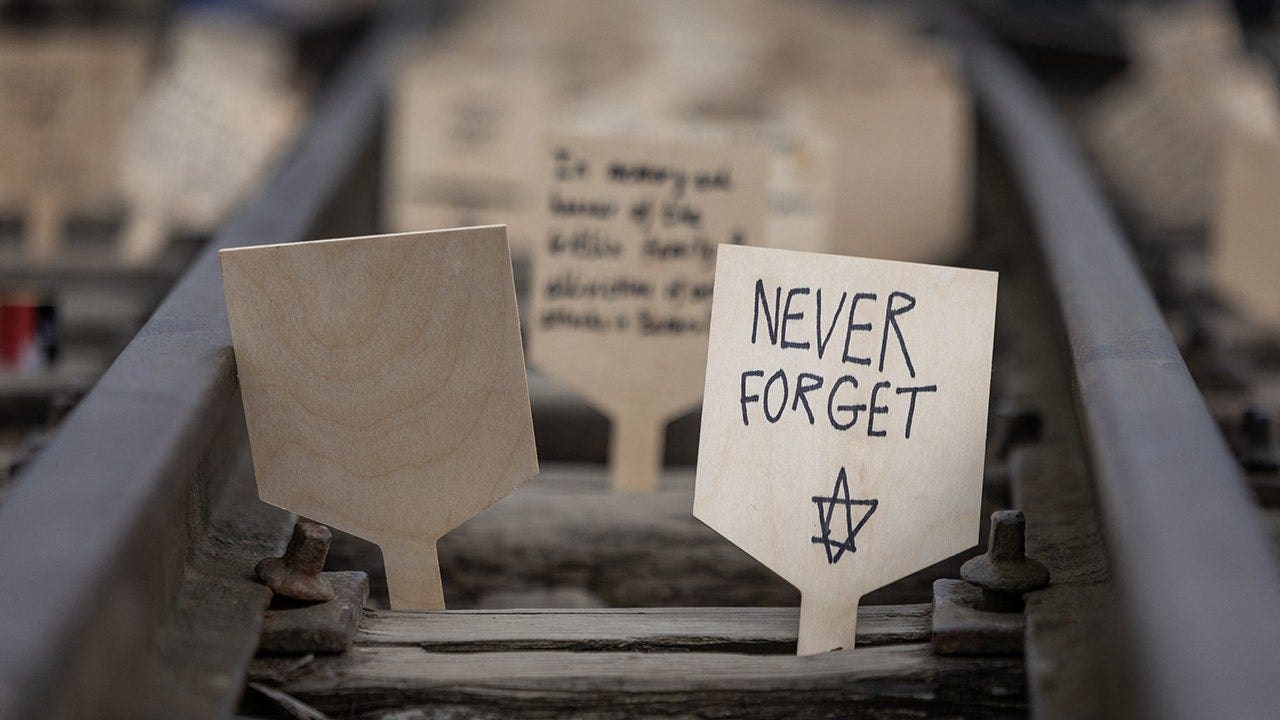
A McLaughlin Associates poll of roughly 400 residents in Nassau and Suffolk counties on Long Island found that nearly one-third of respondents said the Holocaust should not be a mandatory part of school curricula and suggested Jewish people should 'move on.' About 15% of respondents either said the Holocaust has been 'exaggerated' or declined to answer. The survey was released near the anniversary of the liberation of the Buchenwald concentration camp. Steven Krieger, a Long Island developer who helped fund the study, said the findings indicate a need for greater awareness. Gloria Sesso, president of the Long Island Council for Social Studies, called the findings 'inconceivable' and said dismissing Holocaust education is irresponsible. The article also cites American Jewish Committee and NYPD figures saying that, between January and March, New York City recorded 143 hate crimes, 55% (78 incidents) of which were directed at Jewish individuals or communities. McLaughlin Associates did not comment in the story.
Biblical Reflection
From a Christian perspective, the survey raises two related concerns: the moral danger of forgetting or minimizing grave injustice, and the pastoral need to protect and defend vulnerable neighbors. Scripture repeatedly calls God's people to remember truth, practice justice, and love the neighbor (see Micah 6:8). Public indifference or calls to 'move on' can reflect a secularizing tendency to privatize memory and moral responsibility, which risks normalizing injustice. Practically, the survey's sample size and framing are important — a 400-person regional poll is not a full measure of broader attitudes, and question wording, sampling, and media amplification shape how results are understood. Christians should therefore (a) insist on accurate historical teaching that honors victims and resists denial or minimization, (b) oppose antisemitism and any form of hatred as contrary to the command to love our neighbor, and (c) engage public life humbly but truthfully — supporting education and public remembrance while testing claims and sources carefully. The Christian response is not political posturing but quiet, sustained care for truth and for people harmed by prejudice.
Scripture in context
This outlook does not yet include contextual Scripture citations. Do not treat a general biblical theme as an exegetical conclusion.
Faithful Response
No prescribed response is offered. Consider the reflection prompts below in your own church context.
Reflection and Discussion
- 1How might question wording, sample size, and local context affect the headline claim that 'nearly one-third' want to de-emphasize Holocaust education?
- 2What underlying cultural or philosophical currents (e.g., historical amnesia, relativism, fatigue with trauma narratives) could lead people to minimize past atrocities, and how should Christians respond to those currents?
- 3In what ways does honoring memory and teaching historical truth serve both justice for victims and a preventative witness against future evil?
Sources
Reporting links are evidence inputs; Sanctuary News' biblical reflection is commentary.
This outlook currently relies on fewer than two linked sources. Broaden verification before teaching from it.
- 1.Original reportprimary