News Summary
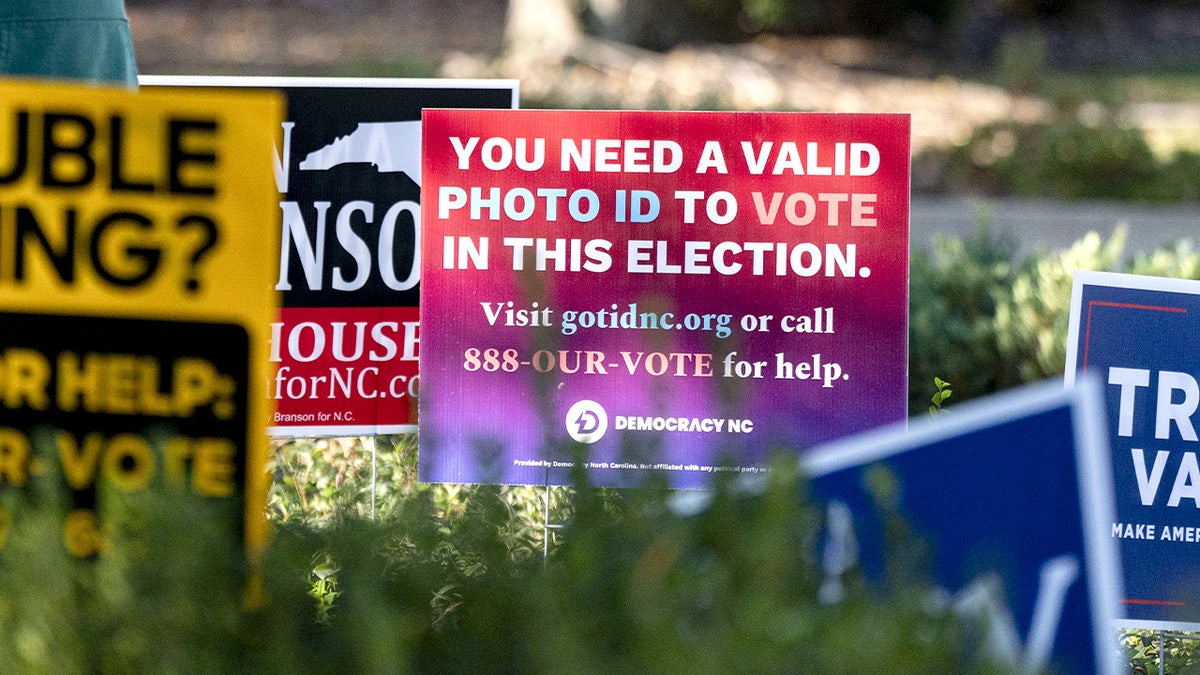
Reported facts: The Fox News article reports that a Fox News poll found 83% of registered voters favor requiring photo ID to register to vote and states that support spans Republicans, Democrats, and independents. Attributed claims: The headline and article assert there is significant support for both voter ID laws and mail-in ballots. Uncertainty: The supplied excerpt does not include poll methodology, sample size, margin of error, question wording, or the specific results for mail-in ballots.
Source and Framing Analysis
The article frames voter ID and mail-in ballots together, implying both enjoy broad public support. The supplied text provides a precise percentage for the photo ID question but not for mail-in ballots, and it omits methodological details that would allow independent assessment. Framing the two subjects in a single headline can create an impression of a coherent public mandate even when full data are not shown.
Biblical Reflection
This report highlights broad public interest in election rules—both integrity measures like photo ID and access measures such as mail voting. Christians should value both truth and neighbor-love when thinking about election policy: truth asks that claims and procedures be transparent and accurate; love asks that vulnerable and marginalized neighbors not be excluded from the franchise. A political consensus claim can be important, but it should not replace careful attention to how policy details affect real people.
The article gives one clear statistic but lacks the methodological detail needed to evaluate the claim's strength. That absence matters morally: policies affecting voting rights require accurate evidence and clear public reasoning. Christians should resist simplistic appeals to consensus and press for fair processes that safeguard participation while guarding against real fraud, always measuring proposed remedies by how they treat the least advantaged.
Finally, when public reporting frames different reforms together (voter ID and mail-in ballots), be attentive to framing effects: presenting two policies in the same headline can suggest they are equivalent solutions or that the public endorses a specific policy package when the underlying data may be more complex. Practically, Christians can model humble listening, careful inquiry, and civic patience rather than amplifying partisan talking points.
Scripture in context
- 1Luke 10:27 — In the Gospel narrative, Jesus summarizes the law and the prophets by commanding love of God and love of neighbor; this instruction appears in a discussion about who qualifies as a neighbor and how to live rightly before God and people. — This passage calls Christians to weigh civic decisions by love for neighbor: when assessing policies about voting, ask how proposals affect the dignity, participation, and protection of others, especially those at the margins.
Faithful Response
Pray and seek discernment before taking a public stance; avoid treating a single poll headline as final evidence.
Ask for and review poll methodology (sample size, margin of error, question wording) before citing results in advocacy.
Engage in civic service that protects both access and integrity—e.g., volunteer as a poll worker, assist voter registration drives, or support nonpartisan voter education.
Encourage respectful conversation in your community that centers the needs of vulnerable voters rather than partisan advantage.
Reflection and Discussion
- 1How does a commitment to love of neighbor change the way you evaluate measures meant to protect election integrity?
- 2What kinds of evidence would you need before supporting a policy that restricts or expands voting access?
- 3In what ways can your local congregation help ensure both trustworthy elections and broad, equitable participation?
Sources
Reporting links are evidence inputs; Sanctuary News' biblical reflection is commentary.
This outlook currently relies on fewer than two linked sources. Broaden verification before teaching from it.
Download source notes