News Summary
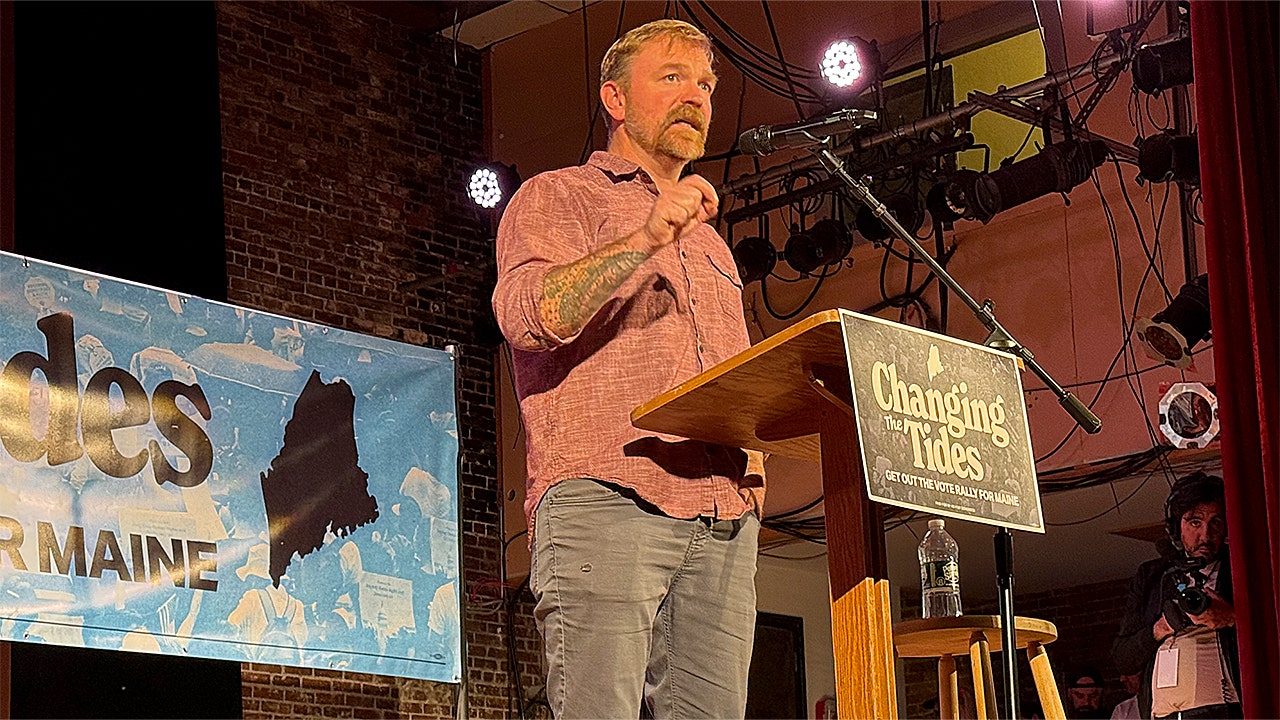
At a June 5 rally in Bar Harbor, Maine, Democratic Senate candidate Graham Platner called recent allegations against him "politically motivated" and said supporters in Maine had his back. Platner is defending himself amid multiple controversies: past inflammatory Reddit posts for which he apologized last fall, a chest tattoo obtained in 2007 that he has since covered after learning it resembled a Nazi symbol, and new allegations from ex-girlfriends accusing him of discussing rape fantasies, heavy drinking, and violent episodes. Platner has acknowledged PTSD from multiple military deployments and described a period of recovery and accountability. Progressive figures including Sens. Bernie Sanders and Elizabeth Warren and Rep. Ro Khanna have publicly supported him; Khanna helped organize the rally and emphasized accountability and redemption. Incumbent Sen. Susan Collins called the latest allegations "troubling" and said Platner had questions to answer. Republican-aligned groups have amplified the allegations in ads and social posts. Platner's campaign reported about 600 attendees at the rally and $200,000 raised in 24 hours. Former Gov. Janet Mills, who had earlier suspended an active campaign, remains on the ballot and has received calls about re-entering the race, but has not launched a renewed campaign.
Biblical Reflection
This story sits at the intersection of public accountability, political contestation, and pastoral concerns for truth and mercy. The headline conflict — a candidate insisting allegations are "politically motivated" while accusers describe serious past behavior — requires careful differentiation between confirmation-seeking and partisan defense. Christian wisdom calls us to pursue truth, which means taking allegations seriously, listening compassionately to those who say they were harmed, and supporting fair, independent fact-finding rather than reflexive dismissal or unquestioning defense. At the same time, the Bible urges mercy and the possibility of repentance and restoration; claims of growth and recovery (including from PTSD) deserve sober evaluation, not automatic rejection. Media and political actors amplify this tension: some coverage and campaign messaging frame the claims for advantage, which can obscure facts and the dignity of those involved. As voters and Christians we should resist tribal reflexes that treat allegations as mere political ammo or as incontrovertible judgments, and instead press for transparency, due process, and pastoral care for victims and accused alike. Ultimately, faithful civic participation means seeking both justice and mercy, demanding truthful disclosure, and refusing to let partisan ends override the wellbeing of vulnerable people or the integrity of public life.
Scripture in context
This outlook does not yet include contextual Scripture citations. Do not treat a general biblical theme as an exegetical conclusion.
Faithful Response
No prescribed response is offered. Consider the reflection prompts below in your own church context.
Reflection and Discussion
- 1Does the coverage and political response prioritize partisan advantage over careful fact-finding and care for potential victims?
- 2How should Christians weigh claims of past wrongdoing against evidence of repentance and recovery when evaluating a leader's fitness for public office?
- 3Are my instincts to defend or condemn shaped more by party loyalty than by a commitment to truth, justice, and compassion?
Sources
Reporting links are evidence inputs; Sanctuary News' biblical reflection is commentary.
This outlook currently relies on fewer than two linked sources. Broaden verification before teaching from it.
- 1.Original reportprimary