News Summary
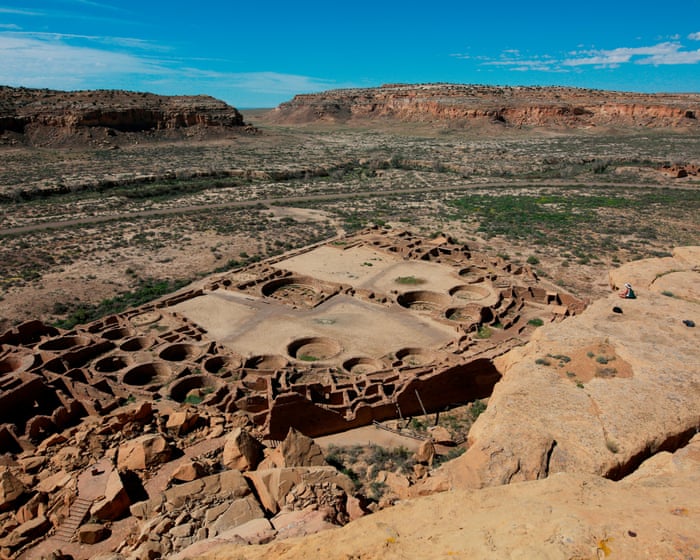
The Guardian reports that the Trump administration plans to remove a drilling-free buffer zone around Chaco Culture National Historical Park in northwestern New Mexico, a UNESCO World Heritage Site. UNESCO has said it received information about the reported plan and that it has procedures for assessing potential threats; UNESCO is awaiting a response from the U.S. government about the plan’s impact. Conservation groups and heritage advocates are described as alarmed. The Guardian article does not publish the underlying federal proposal, maps, environmental analyses, or an official administration statement, leaving key procedural and technical questions open.
Source and Framing Analysis
Primary source: a Guardian news report that attributes the policy intent to the Trump administration and records that UNESCO received information and is pursuing its procedures for potential threats. Framing: the article emphasizes potential harm to a cherished cultural landscape and places the reported change in the context of a broader administration push to expand oil and gas extraction. Material uncertainties/omissions: the Guardian excerpt does not include the primary federal text or map that would effect the change, no formal statement from U.S. agencies is provided, no timeline is given, and there is no reporting in the excerpt of consultation with Indigenous nations, tribal responses, or technical environmental impact analysis. Because the administration’s formal proposal (if published) and responses from tribal governments, federal agencies, and industry are not included, the practical scope, legal mechanism, mitigation commitments, and schedule remain unverified. Attribution and balance: the piece attributes claims to identifiable actors (UNESCO, conservationists) and signals uncertainty where appropriate, but readers should treat the underlying policy specifics as unconfirmed until primary documents or official statements are available.
How sources covered this story
Sanctuary separately assesses reporting quality and alignment with Christian virtues. The virtues assessment considers truthfulness, dignity, compassion, justice, peacemaking, humility, and care for vulnerable people. It does not assess a publisher's faith or reward religious language.
Compare 1 reports
Reporting 78/100Virtues 78/100
- Distinctive contribution
- Names the specific site (Chaco Culture National Historical Park), identifies it as a UNESCO world heritage site, reports the administration’s intent to scrap a drilling-free buffer zone, and records that UNESCO has received information and is awaiting a federal response under its “potential threats” procedures.
- Framing
- Cautionary/protective: emphasizes alarm among conservationists and frames the administration’s action as an expansion of oil and gas extraction that threatens cherished natural and cultural sites; highlights international (UNESCO) scrutiny.
- Omissions or uncertainty
- No direct quote or response from the federal administration or relevant agencies; no details on the exact proposed geographic extent or legal mechanism for removing the buffer; no timeline, environmental impact data, statements from tribal nations or local stakeholders, or responses from industry. It is unclear whether a formal proposal has been published or is at a preliminary stage.
- Why these scores
- The excerpt is specific and well-attributed (names the site and UNESCO, and cites UNESCO’s procedures), which is appropriate for a brief news item. It responsibly signals uncertainty (UNESCO awaiting response). The piece is limited in technical detail and lacks administration comment in the supplied text, which reduces completeness but not basic reliability. Reporting respects the dignity of cultural and natural heritage and highlights potential harm, aligning with concern for protection of vulnerable sites and stewardship. The tone avoids dehumanizing language or sensationalism and attributes claims to sources (UNESCO, conservationists). The excerpt lacks explicit references to affected communities or restorative justice measures, so it does not score higher.
Biblical Reflection
From a Christian standpoint, this development raises moral questions about stewardship, neighbor-love, and justice. Protection of cultural and created heritage aligns with responsibilities to care for the land and to honor the dignity and memory of communities for whom the landscape is sacred. Prudence and humility call for confirming facts, ensuring meaningful consultation with Indigenous peoples, and weighing economic arguments against the burdens placed on vulnerable neighbors and irreplaceable cultural resources. Christians can press for transparent processes, full environmental and cultural reviews, fair participation of affected communities, and remedies or mitigation that reflect care for both people and creation.
Scripture in context
- 1Genesis 2:15 — In the creation narrative, humanity is placed in the garden with a responsibility to tend it. — This passage supports a Christian ethic of stewardship: decisions about land use should promote long-term flourishing, protect entrusted places, and consider the wellbeing of current and future communities connected to the land.
- 2Micah 6:8 — A prophetic summons to act justly, love mercy, and walk humbly with God. — Applied here, the verse urges that policy choices be measured by justice toward those affected, mercy in protecting the vulnerable, and humility in decision-making—especially where Indigenous peoples’ heritage and livelihoods are at stake.
Faithful Response
Seek clear information: request the federal proposal, maps of the buffer and proposed change, environmental assessments, and records of consultation with tribal nations and local stakeholders.
Listen and prioritize affected voices: center testimony and requests from Indigenous communities and local residents when assessing impacts and shaping advocacy.
Pray and advocate: pray for wisdom and justice; contact elected officials asking for transparency, meaningful consultation, and full cultural and environmental review before actions proceed.
Support protective avenues: back legal, administrative, or legislative steps that aim to protect the cultural landscape if those are pursued by affected communities and allies.
Offer pastoral care: organize listening sessions, provide pastoral accompaniment to those distressed by the potential change, and facilitate informed congregational civic engagement.
Reflection and Discussion
- 1How does the call to steward creation shape our assessment of a policy that would allow extractive activity closer to a heritage landscape?
- 2Whose voices are missing from initial reporting, and how should Christians prioritize listening to Indigenous and local communities before conclusions are drawn?
- 3What would justice require if drilling near the park causes cultural or environmental harm—prevention, restitution, restoration, or other remedies?
- 4How can congregations balance concern for economic livelihoods with the duty to protect sacred and communal inheritance?
Sources
Reporting links are evidence inputs; Sanctuary News' biblical reflection is commentary.
This outlook currently relies on fewer than two linked sources. Broaden verification before teaching from it.
- 1.Trump plan to allow drilling near US world heritage site sparks alarmprimary_reporting