News Summary
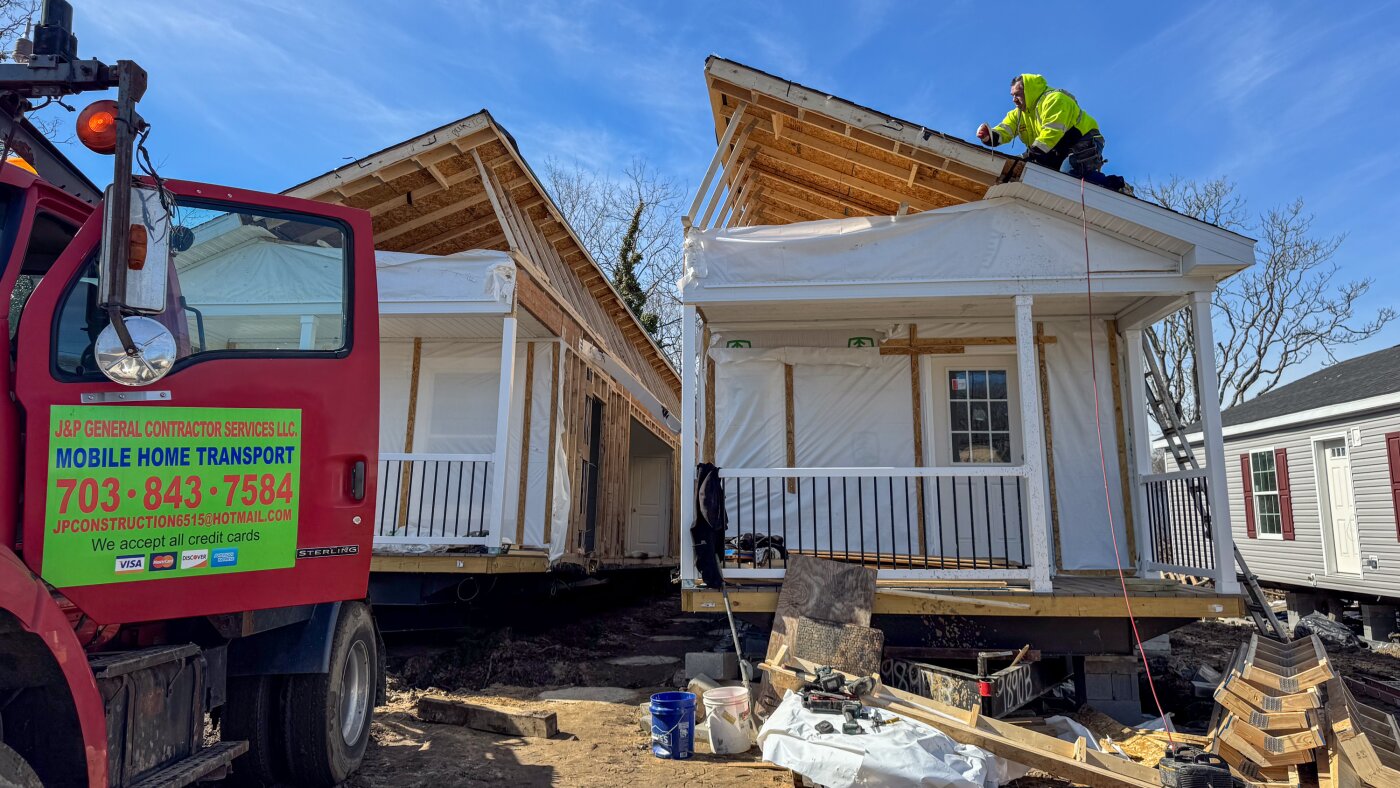
The article reports on growing acceptance of modern factory-built (manufactured) homes as a tool to expand affordable single-family housing. In Petersburg, Virginia, developer Tom Heinemann and others are placing factory-built homes on permanent foundations in neighborhoods, offering rental units built with federal tax credits (restricted to lower-income families) and homes for sale. Tenants like Kennisha Missouri report significantly lower rent and included utilities, enabling savings and reduced work hours. Manufactured housing is faster and roughly half the on-site construction cost per square foot; federal construction standards have improved quality and reduced the need for local approvals. Several states have loosened zoning restrictions, and federal legislation under consideration could remove the requirement for a permanent steel chassis, cutting costs and allowing greater design flexibility. The article also covers financing barriers (many manufactured homes are treated as personal property, complicating mortgage access), persistent stigma from older mobile-home stereotypes, community pushback in some places, and local leaders’ view that these homes can revitalize blighted blocks, improve safety, and help residents build wealth.
Biblical Reflection
From a biblical perspective, this story touches on important Christian concerns: justice for the poor, neighborly care, stewardship of resources, and the dignity of work and home. Scripture repeatedly calls God’s people to act on behalf of the vulnerable (e.g., caring for widows, orphans, and the poor) and to pursue policies and practices that enable flourishing. Factory-built homes—when done with integrity—can be a practical way to live out those injunctions by increasing access to decent, affordable housing and restoring neighborhoods that have been neglected.
At the same time, Scripture warns against prejudice, excluding others, and valuing appearances over human dignity. The stigma and zoning barriers described reflect social fears and prejudices that Scripture would challenge (see James’s rebuke of favoritism and the prophets’ calls for justice). Christian concern should include vigilance about potential harms: developers or policymakers who prioritize profit over people, displacement of longtime residents through subtle gentrification, predatory financing that strips wealth from vulnerable buyers, or models that treat residents as temporary customers rather than neighbors. Wisdom and discernment are needed to ensure that affordability efforts promote long-term stability and community flourishing rather than merely cheaper housing that perpetuates insecurity.
Practically, this story invites Christians to advocate for policies and practices that widen access to safe, dignified housing, to welcome and reduce stigma toward alternative building methods that serve the common good, and to hold developers, lenders, and officials to standards of fairness and stewardship. Affordable housing is not only an economic issue but a moral one: how a community treats its least advantaged neighbors is a measure of its fidelity to Gospel commands to love, protect, and provide for one another.
Scripture in context
This outlook does not yet include contextual Scripture citations. Do not treat a general biblical theme as an exegetical conclusion.
Faithful Response
No prescribed response is offered. Consider the reflection prompts below in your own church context.
Reflection and Discussion
- 1Where in my community can I notice or address housing needs with compassion and practical action?
- 2Do I hold any unexamined prejudices about nontraditional housing (manufactured homes) that conflict with Christ's call to love and welcome neighbors?
- 3How can Christians advocate for systems (zoning, financing, development) that protect vulnerable residents and promote long-term stability rather than short-term profit?
Sources
Reporting links are evidence inputs; Sanctuary News' biblical reflection is commentary.
This outlook currently relies on fewer than two linked sources. Broaden verification before teaching from it.
- 1.Original reportprimary