News Summary
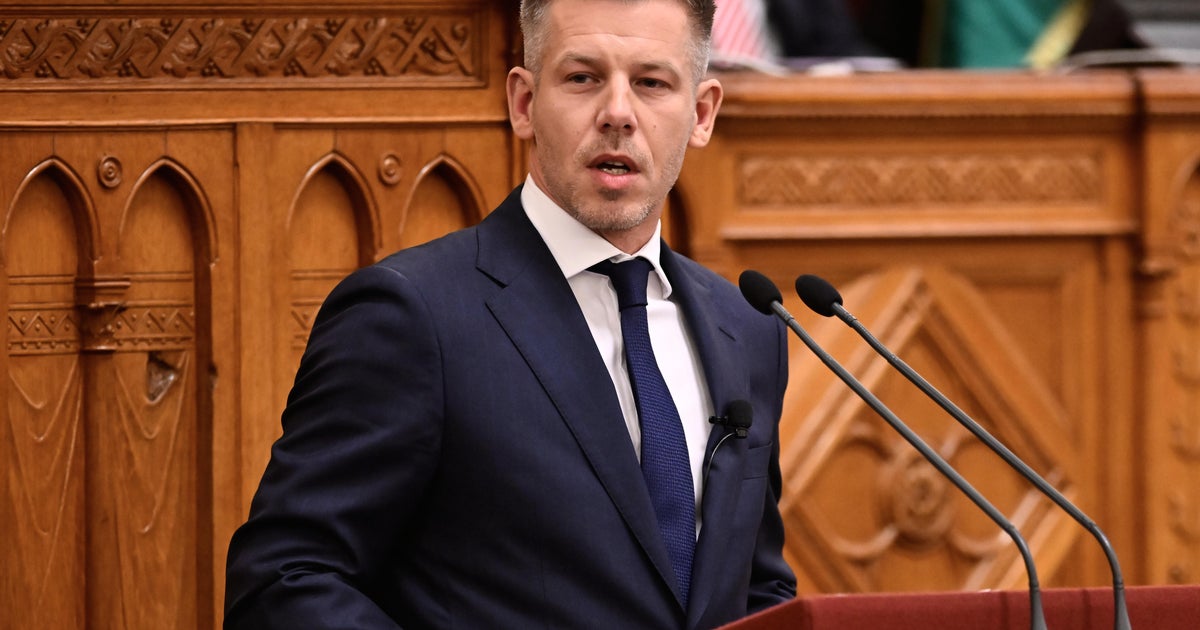
On May 9, 2026, Péter Magyar was sworn in as Hungary's prime minister after his center‑right Tisza party won a parliamentary landslide in the previous month's election, securing 141 of 199 seats (a two‑thirds majority). Magyar, a 45‑year‑old lawyer who left Viktor Orbán's Fidesz party in 2024, told lawmakers he intends to serve the country, restore democratic institutions and checks and balances, and pursue accountability for alleged corruption under the previous government. His program includes creating a National Asset Recovery and Protection Office to investigate and recover public funds and temporarily suspending news services of the public broadcaster until objectivity is restored. Magyar is described as more pro‑European Union and more skeptical of Russia than Orbán; restoring ties with the EU and unlocking roughly $20 billion in frozen EU funds are top priorities. Orbán's Fidesz‑KDNP coalition dropped to 52 seats; the far‑right Mi Hazánk party holds six seats. The EU flag was raised on Parliament for the first time since 2014. Thousands gathered on Kossuth Square in celebration; Hungary's new assembly includes 54 women lawmakers, the most in the country's history.
Biblical Reflection
From a Christian perspective, this news highlights themes Christians care about: the restoration of legitimate institutions, pursuit of justice, and the need for reconciliation after a contentious period. The article frames the change as a corrective to perceived authoritarianism and corruption, and emphasizes Magyar's stated commitments to accountability and re‑engagement with European partners. Readers should note two cautions: (1) media language such as "autocratic rule" or "stunning blow" carries evaluative weight—some of those characterizations are widely held but not universally uncontested—and (2) promises of reform can take time and may face political, legal, and social limits even with a supermajority. Biblical priorities—justice tempered by mercy, truth telling, servant leadership, and humility—apply to both the new government and its critics. Christians ought to pray for wise, honest governance, expect real accountability where there is wrongdoing, and resist triumphalism or vindictiveness toward political opponents. Also be attentive to underlying policy tradeoffs: strengthening EU ties and reducing foreign influence may advance peace and economic stability, while conservative positions on immigration and national identity remain morally and pastorally significant for many citizens. Ultimately, evaluate this transition not by partisan framing but by whether public life advances justice, protects the vulnerable, and respects truth and the rule of law.
Scripture in context
This outlook does not yet include contextual Scripture citations. Do not treat a general biblical theme as an exegetical conclusion.
Faithful Response
No prescribed response is offered. Consider the reflection prompts below in your own church context.
Reflection and Discussion
- 1What evidence will distinguish genuine institutional reform and accountability from political rebranding or partisan retaliation?
- 2Where does the article use value‑laden language or sources of opinion, and how should that affect how you weigh its claims?
- 3How can Christians hold leaders accountable for justice while also pursuing reconciliation and resisting vindictiveness?
Sources
Reporting links are evidence inputs; Sanctuary News' biblical reflection is commentary.
This outlook currently relies on fewer than two linked sources. Broaden verification before teaching from it.
- 1.Original reportprimary