News Summary
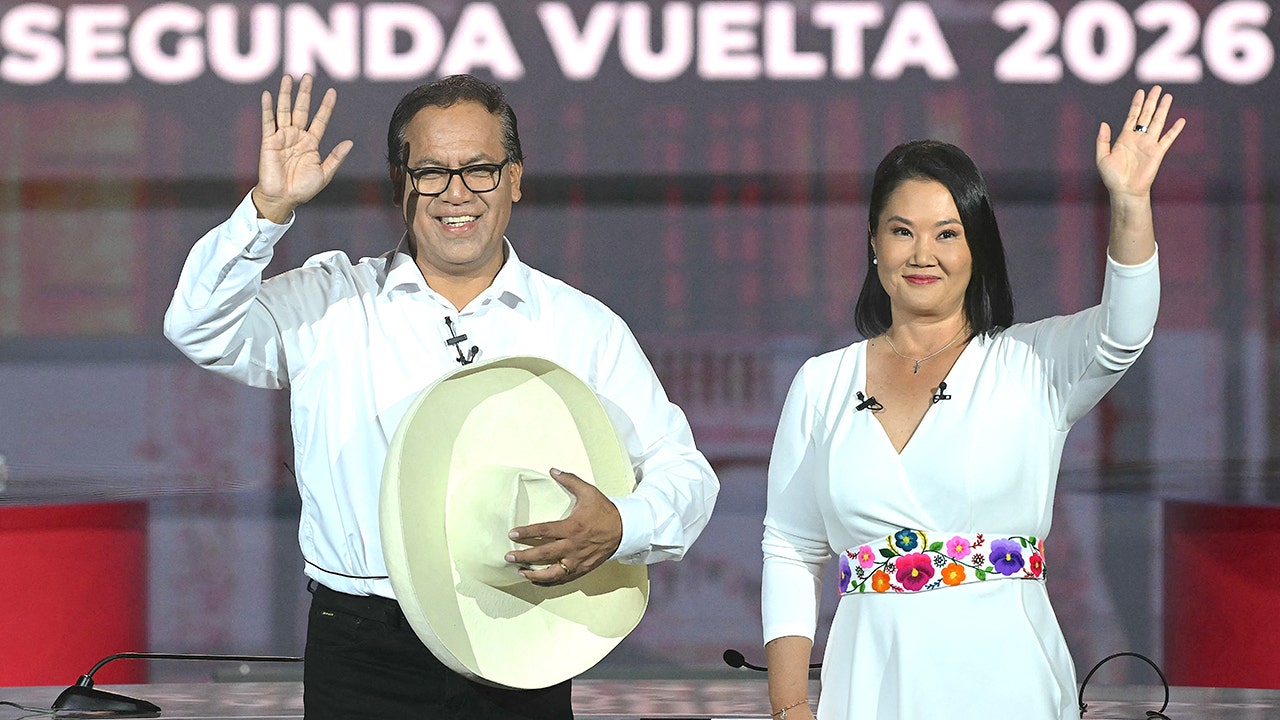
Peru will hold a presidential runoff on June 7, 2026, between Keiko Fujimori (conservative, Fuerza Popular) and Roberto Sánchez (left‑wing, Juntos por el Peru) after both advanced from a field of 33 candidates. Fujimori campaigns on public security, market‑oriented economic policies, and closer cooperation with the United States; she has said her government would promote investment and legal certainty. Sánchez has presented left‑of‑center proposals and has been described by some analysts as tied to broader regional leftist movements; media reports include allegations by one analyst that Sánchez has connections to illegal mining and has been accused of drug‑trafficking, which are presented as claims rather than adjudicated facts. Analysts quoted in the article frame the contest as geopolitically significant for U.S. and Chinese influence in Peru, a country rich in minerals such as copper and gold. The election takes place amid years of political instability in Peru, frequent presidential turnovers, deep urban–rural divisions, and voter concerns about surging violence. Voting is mandatory for citizens aged 18–70, with more than 27 million registered voters; the result is expected to be close and could take days to finalize. The article cites Peruvian analysts who argue a Fujimori win would align Peru more closely with recent center‑right shifts in parts of Latin America, while a Sánchez victory could raise questions about relations with Washington and regional leftist alliances. The Sánchez campaign did not respond to requests for comment in this report.
Biblical Reflection
The article frames Peru’s runoff largely through geopolitical and security lenses, emphasizing implications for U.S.–China competition and foreign investment. That focus is not untrue — Peru’s natural resources and strategic ports make it relevant to international actors — but it narrows the story to state interests and investor confidence more than citizens’ daily needs. Christians should be alert to this narrowing: presenting the election primarily as a vote for external alignment or market confidence risks sidelining issues of justice, care for the poor, and the rule of law at the local level. The piece also relies heavily on quotes from analysts with clear political perspectives; allegations about a candidate are included but not independently verified, so readers should treat those claims as contested rather than settled. Pastoral discernment calls us to resist binary thinking that depicts complex civic choices as simply 'pro‑US' versus 'pro‑China' or 'good' versus 'bad.' Instead, evaluate leaders by how they protect the vulnerable, uphold lawful institutions with humility, seek truth, and work for the common good. Pray for accurate reporting, for the protection of voters and civic institutions in Peru, and for international actors to prioritize human flourishing over geopolitical advantage.
Scripture in context
This outlook does not yet include contextual Scripture citations. Do not treat a general biblical theme as an exegetical conclusion.
Faithful Response
No prescribed response is offered. Consider the reflection prompts below in your own church context.
Reflection and Discussion
- 1Whose interests are centered by the article — foreign governments and investors, or ordinary Peruvian citizens — and how does that shape the story?
- 2Which claims about the candidates are presented as established fact and which are attributed or disputed, and does the reporting make that distinction clear?
- 3How should Christians weigh concerns about economic stability and geopolitical alignment against demands for social justice, transparency, and care for marginalized communities?
Sources
Reporting links are evidence inputs; Sanctuary News' biblical reflection is commentary.
This outlook currently relies on fewer than two linked sources. Broaden verification before teaching from it.
- 1.Original reportprimary