News Summary
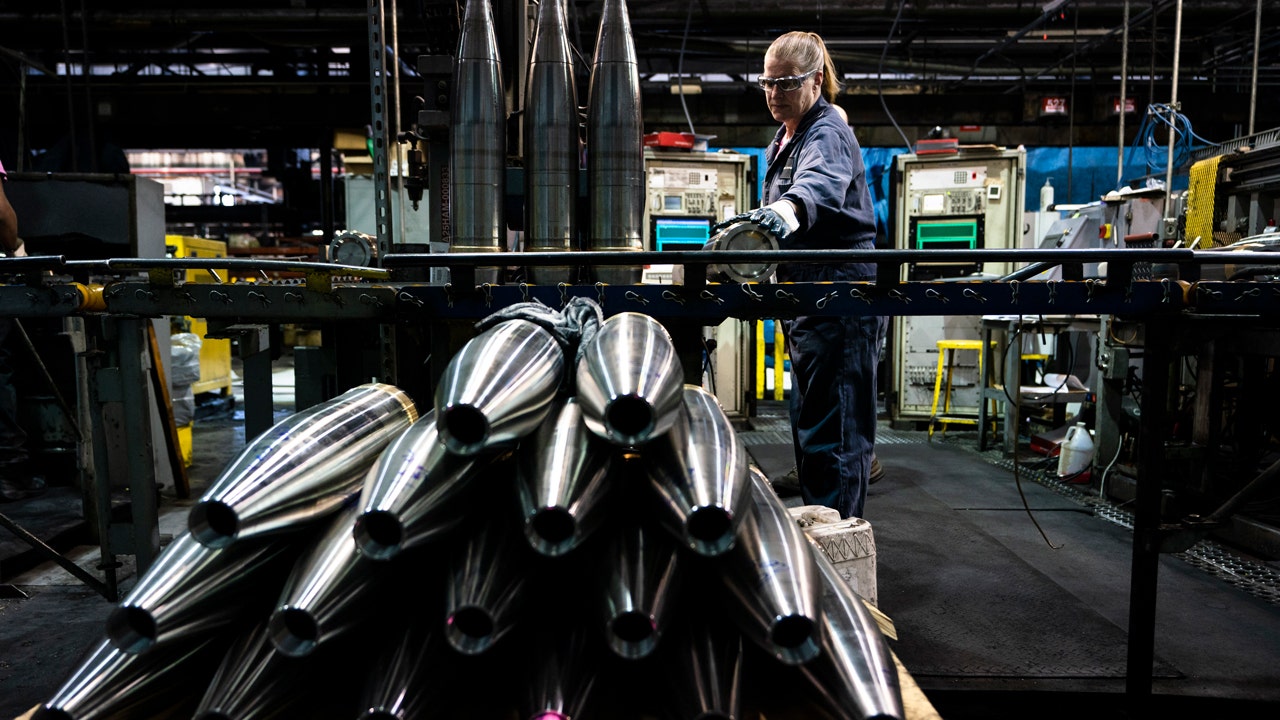
Sen. Kevin Cramer (op-ed) argues that U.S. permitting and environmental review processes have slowed the rebuilding of the American defense industrial base and transferred production capacity to China over decades. The piece states China now vastly outproduces the U.S. in key industrial sectors — citing figures such as roughly 12-to-1 greater steel production and roughly 230 times U.S. shipbuilding capacity — and can shift to wartime production faster, cheaper, and with fewer legal constraints. The article uses recent supply shortfalls (for example, U.S. 155mm artillery shell production rising from ~14,000 to ~40,000 per month while Ukraine’s estimated need is 150,000–200,000 per month) and historical examples to argue manufacturing capacity matters more than individual advanced weapons. Cramer calls for fundamental permitting reform — including legislative preclusion of environmental review, permitting, and judicial review for projects tied to rebuilding defense industrial supply chains — while asserting industries would still be required to meet environmental performance standards and be subject to monitoring, enforcement, and penalties for noncompliance. He notes bipartisan conversations with some Democratic senators and frames permitting modernization as an urgent national security priority tied to energy, transportation, ports, power, and computing infrastructure.
Biblical Reflection
This opinion appeals to legitimate national-security concerns: the ability to produce munitions, ships, and other materiel quickly and at scale is strategically important. The urgency the author expresses is understandable given recent wartime supply strains. At the same time, the piece compresses complex trade-offs into a single policy prescription — sweeping reduction or statutory preclusion of environmental review for defense-related projects — without fully addressing risks to communities, environmental stewardship, legal accountability, or long-term resilience. The underlying worldview privileges speed, scale, and industrial output as primary virtues of security; it tends to treat regulatory processes as mere obstacles rather than protections meant to balance competing goods (public health, land rights, environmental care). From a Christian pastoral perspective, defending the nation and protecting the vulnerable are both duties; so are stewardship of creation, concern for neighbors affected by industrial projects, and honesty about unintended consequences. A faithful response seeks prudent, transparent reforms that strengthen deterrence while preserving justice, environmental care, and public trust. Christians should advocate for wisdom that couples courage to meet real threats with humility about trade-offs and compassion for those who bear the burdens of rapid industrial expansion.
Scripture in context
This outlook does not yet include contextual Scripture citations. Do not treat a general biblical theme as an exegetical conclusion.
Faithful Response
No prescribed response is offered. Consider the reflection prompts below in your own church context.
Reflection and Discussion
- 1Whose safety and wellbeing are prioritized when speed to build is elevated above environmental review and local consent?
- 2What assumptions about security, risk, and trust in institutions underlie the claim that permitting is the primary obstacle to rebuilding capacity?
- 3How can policymakers pursue necessary industrial surge capacity while ensuring accountability, care for communities, and long-term resilience?
Sources
Reporting links are evidence inputs; Sanctuary News' biblical reflection is commentary.
This outlook currently relies on fewer than two linked sources. Broaden verification before teaching from it.
- 1.Original reportprimary