News Summary
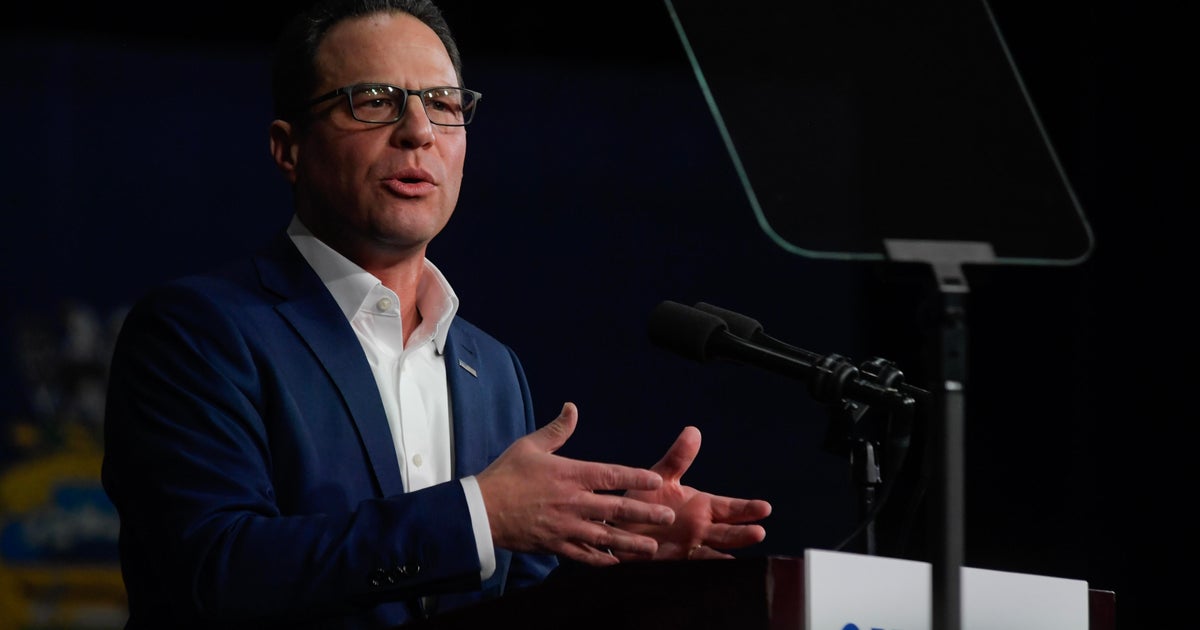
Pennsylvania Gov. Josh Shapiro's reelection campaign reported raising more than $10 million in the first three months of 2026, which the campaign says sets a state record for that reporting period. A top campaign official said this amount more than doubles the previous benchmark for a Pennsylvania gubernatorial race at this stage and follows the campaign ending 2025 with over $30 million cash on hand. Axios first reported the fundraising total. The campaign said contributions came from all 67 Pennsylvania counties and from donors in all 50 states, which a Shapiro aide framed as evidence of growing national and in-state support and a deepening national donor network ahead of potential 2028 presidential speculation. Shapiro released a book titled Where We Keep the Light in January and conducted a nationwide book tour with national media appearances. The campaign said Shapiro will donate $250,000 to the state Democratic Party to support party infrastructure and efforts to flip four GOP-held seats. Shapiro is widely expected to face Republican state Treasurer Stacy Garrity in the November general election; Pennsylvania's primary was scheduled for May 19. Shapiro has said he will not decide on any 2028 presidential run until after the midterm elections.
Biblical Reflection
From a Christian perspective, the article describes political success measured largely by money raised and national visibility. Fundraising totals and donor geography are neutral facts, but the framing highlights influence, momentum, and broader political ambition. The presence of large sums and national donors points to how political power is often tied to financial networks and publicity rather than solely to local service or moral credibility. Christians should note two tensions: first, money and popularity can become ends in themselves rather than means to serve the common good; second, public acclaim and ambition can obscure assessment of a leader’s character and policy positions.
The article itself is largely factual and brief; its main bias is what it emphasizes — success metrics (dollars, donors, national reach) and potential presidential prospects. That emphasis reflects a worldview where political capital and media visibility are primary indicators of viability. Scripture repeatedly warns about the dangers of loving power and money (1 Timothy 6) and calls leaders to servant-hearted humility (Mark 10). At the same time, engaging in civic life and building support for policies that protect the vulnerable and promote justice is not inherently wrong. Christians should therefore evaluate political reporting and political figures by looking beyond fundraising headlines to questions of character, policy consequences for the poor and marginalized, stewardship of resources, and whether public actions reflect servanthood rather than self-promotion.
Scripture in context
This outlook does not yet include contextual Scripture citations. Do not treat a general biblical theme as an exegetical conclusion.
Faithful Response
No prescribed response is offered. Consider the reflection prompts below in your own church context.
Reflection and Discussion
- 1What does the article's focus on fundraising and national reach reveal about the metrics of political success in our culture?
- 2How might large campaign war chests and national donor networks shape the priorities of a candidate once in office?
- 3When evaluating political leaders, am I more persuaded by money and media momentum or by evidence of humility, justice, and service?
Sources
Reporting links are evidence inputs; Sanctuary News' biblical reflection is commentary.
This outlook currently relies on fewer than two linked sources. Broaden verification before teaching from it.
- 1.Original reportprimary