News Summary
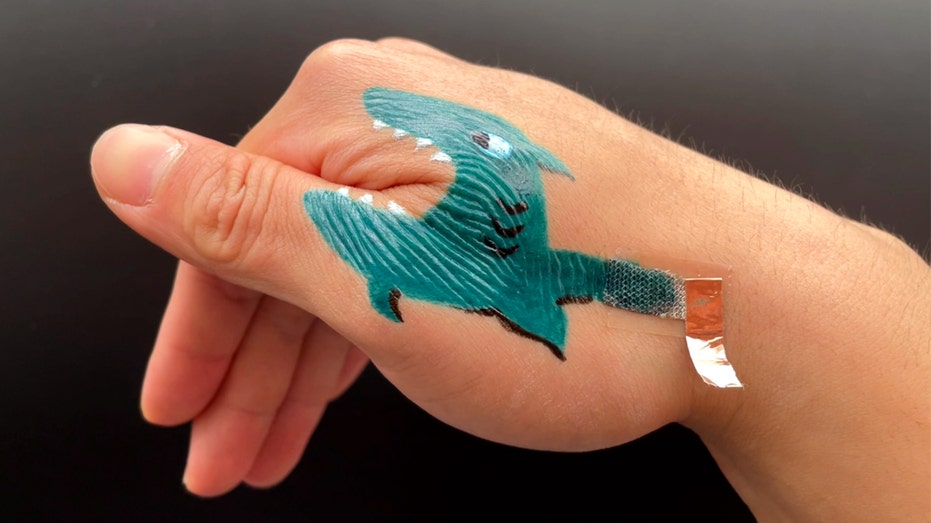
Fox News reports that Penn State engineers have created a paint-on electronic tattoo made with conductive ink that records ECG, EMG, and EEG signals and looks like body art. The piece frames potential applications, including spotting heart attacks, as speculative; it does not present validation data, peer-reviewed study references, clinical trial results, regulatory status, or information about data privacy and patient protections.
Source and Framing Analysis
The single supplied source is a short technology feature that highlights novelty and potential. Key framing issues: the leap from prototype capability (signal recording) to clinical diagnostic utility (spotting heart attacks) is not supported with presented evidence; performance metrics and clinical validation are omitted; and ethical implications (privacy, consent, access) are not addressed. Because the article lacks technical and clinical detail, independent verification and primary research publications are needed to assess real-world medical impact.
Biblical Reflection
Innovations that promise better monitoring of the human body can reflect a compassionate impulse to preserve life and relieve suffering, which Christians should welcome. Technology that helps detect cardiac events earlier could protect vulnerable neighbors and reduce preventable harm. At the same time, Christian discernment calls us to resist premature certainty: a laboratory prototype is not the same as a clinically proven diagnostic tool, and hope must be tethered to evidence.
We should also attend to justice and stewardship. New medical technology often raises questions about affordability, access, and who benefits. Christians committed to neighbor-love should ask whether such devices will be accessible to those at highest risk, or whether they become another advantage for those with resources. Finally, the fact that this technology records intimate biological signals raises legitimate concerns about privacy and consent; protecting human dignity requires that innovation be paired with ethical safeguards.
In short, respond with thankful curiosity and prudent caution: celebrate efforts to protect life, demand clear evidence and ethical safeguards, and advocate that benefits reach the vulnerable rather than widen inequity.
Scripture in context
- 1James 1:5 — In its immediate literary context, James addresses trials and the testing of faith, urging believers to seek wisdom from God rather than relying on earthly understanding; the verse is part of pastoral instruction about living wisely under trial. — When confronted with promising but uncertain medical claims, Christians are invited to ask God for wisdom, to pursue careful inquiry, and to avoid impulsive judgments — balancing gratitude for innovation with sober evaluation and concern for neighbors.
Faithful Response
Pray for researchers, clinicians, and regulators to have wisdom and integrity as they validate and deploy new health technologies.
Seek reliable, peer-reviewed evidence before adopting a novel health device for clinical care; consult trusted healthcare providers about unproven tools.
Advocate for ethical safeguards: privacy protections for biometric data, equitable access for low-income and high-risk communities, and transparent validation of safety and effectiveness.
Encourage churches and ministries to support education about how to evaluate health claims and where to find trustworthy medical guidance.
Reflection and Discussion
- 1Does this report separate engineering capability from clinical proof, and what standards of evidence should convince you a device is medically reliable?
- 2How should concern for privacy and human dignity shape the development and deployment of devices that record intimate biological signals?
- 3In what ways should Christians press for equitable access to health technologies that could reduce suffering?
Sources
Reporting links are evidence inputs; Sanctuary News' biblical reflection is commentary.
This outlook currently relies on fewer than two linked sources. Broaden verification before teaching from it.
- 1.Could a paint-on electronic tattoo spot heart attacks?primary_reporting