News Summary
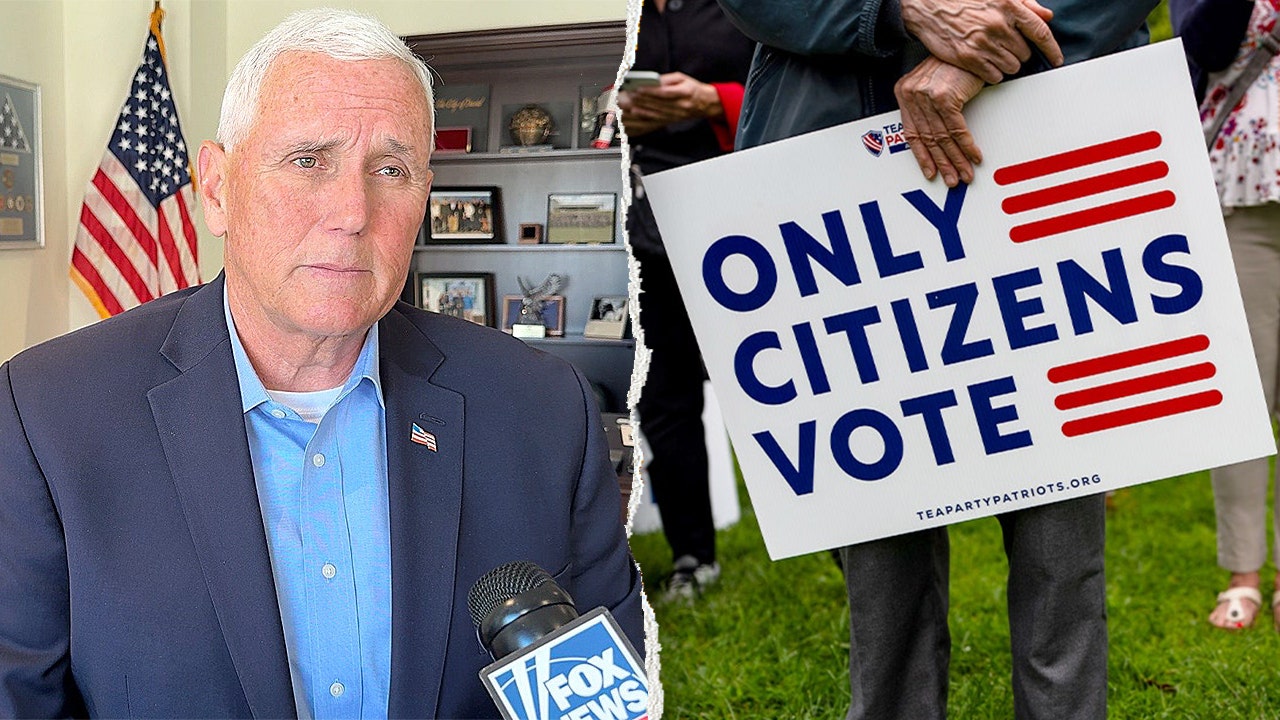
In an exclusive Fox News Digital interview, former Vice President Mike Pence urged the Senate to pass the SAVE Act (Safeguard American Voter Eligibility), calling national voter ID and proof-of-citizenship requirements "an idea whose time has come." The SAVE Act, which passed the GOP-controlled House largely along party lines, would mandate strict voter ID and citizenship verification across all 50 states for federal elections, but is stalled in the Senate where 60 votes are needed to overcome procedural hurdles. Pence cited Indiana’s voter ID law—upheld by the Supreme Court—as a model and argued that such federal standards fit within Congress’s constitutional authority to set conditions for federal elections. Supporters say the bill would secure election integrity and restore public confidence after controversies surrounding the 2020 election and rule changes during COVID; opponents, including Democrats and voting-rights groups, contend it is unnecessary, risks disenfranchising voters, and has been characterized by some as a modern form of suppression. The article also recalls tensions from Jan. 6, 2021, noting past threats against Pence after he certified the 2020 Electoral College results.
Biblical Reflection
From a biblical perspective, the desire to promote trust in civic processes and ensure honest participation in elections resonates with scriptural commitments to truth, justice, and good stewardship. The Bible calls God’s people to pursue justice (Micah 6:8), to value truth (Ephesians 4:25), and to seek the peace and stability of the community (Jeremiah 29:7). Policies that honestly and fairly protect the integrity of elections can align with those goods.
At the same time, Scripture repeatedly warns against actions that burden the vulnerable or use power to exclude or oppress (e.g., Isaiah’s indictments of leaders who trample the needy). Any law that aims to secure elections must be implemented with a pastoral sensitivity to those who face real obstacles—elderly, poor, rural, persons of color, students, and others—and should not become a pretext for partisan advantage or intimidation. The congregational ethic calls Christians to test motives: are reforms pursued out of love for neighbor and a desire for common good, or primarily for partisan gain, fear, or scapegoating?
Furthermore, the Gospel urges truth-telling and accountability. Public leaders are called to lead with humility, to bear the cost of truth when necessary (even when costly, as with Pence’s 2021 actions), and to avoid inflaming division for short-term gain. Christians should neither reflexively endorse all calls for increased security nor reflexively resist them; instead, we are to weigh policies by how they promote justice, protect the vulnerable, uphold truth, and foster peace. Practical Christian response includes praying for wisdom for legislators, advocating for access safeguards (e.g., free IDs, outreach), safeguarding the ballot without making the ballot inaccessible, and confronting misinformation with charity and courage.
Scripture in context
This outlook does not yet include contextual Scripture citations. Do not treat a general biblical theme as an exegetical conclusion.
Faithful Response
No prescribed response is offered. Consider the reflection prompts below in your own church context.
Reflection and Discussion
- 1Do my political commitments reflect primary allegiance to Christ’s call to justice and compassion, or to partisan identity?
- 2What concrete steps can I support that both protect election integrity and remove barriers for legitimately eligible voters?
- 3How can I engage others about elections in ways that prioritize truth, humility, and peaceful reconciliation rather than fear or shaming?
Sources
Reporting links are evidence inputs; Sanctuary News' biblical reflection is commentary.
This outlook currently relies on fewer than two linked sources. Broaden verification before teaching from it.
- 1.Original reportprimary