News Summary
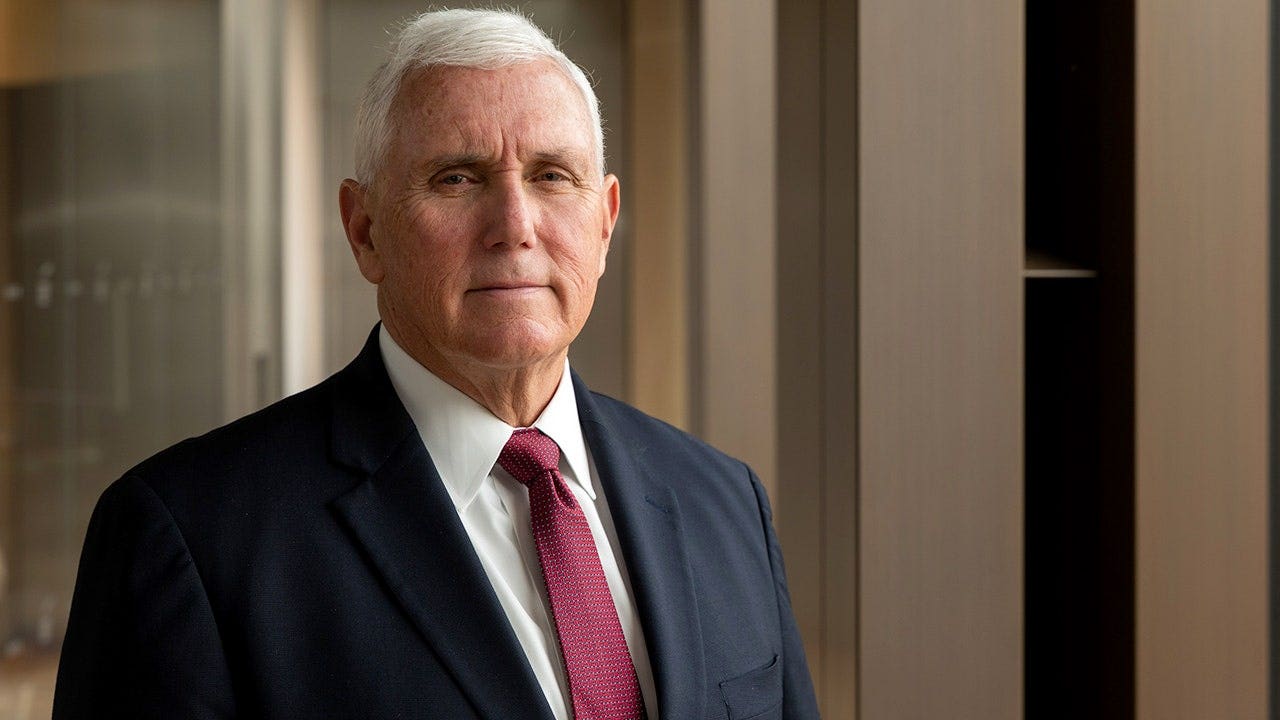
Former Vice President Mike Pence published criticism of the Memorandum of Understanding between the U.S. and Iran signed by President Donald Trump, calling it insufficient and describing it as “a plan to make a plan” and “appeasement.” Pence wrote that the Trump administration deserved credit for pressuring Iran to the negotiating table and welcomed the prospect of peace, but argued the memorandum falls short of ending Iran’s nuclear ambitions, Iranian-backed terrorism, and long-standing hostility toward the U.S. and Israel. He cited recent violence — a Hezbollah drone strike that killed four Israeli soldiers — as a reason for distrust of Iranian leaders and urged that the 60-day period following the memorandum be used to secure stronger, verifiable commitments; he added that, if those goals cannot be achieved, the president should allow military force to finish the job. The piece ran in the Wall Street Journal and was reported on by Fox News; the outlet sought comment from the White House.
Biblical Reflection
Pence’s critique is a political judgment shaped by a hawkish, security-first worldview: it emphasizes deterrence, verification, and the protection of allies while expressing deep skepticism toward negotiated compromises with adversaries. As commentary, it mixes factual context (recent attacks, the existence of an MOU and a 60-day phase) with evaluative claims about what the agreement does or does not accomplish. Christians should notice several tensions: the legitimate desire to protect the innocent and pursue justice for victims of aggression; the biblical call to pursue peace and reconciliation where possible; and the moral hazards of absolutist rhetoric that frames diplomacy as ‘appeasement’ without engaging the terms or verification details. The writer’s political alignment and role as a former official mean his remarks advance a particular policy option (continued pressure or military action) rather than neutral analysis. Discernment requires asking whether the critique rests on verifiable deficits in the agreement or on ideological preference for force, and weighing short-term security gains against the long-term costs of war, civilian suffering, and regional instability. Christians can affirm prudence, truth-telling, and protection of the vulnerable while urging restraint from rhetoric that simplifies complex diplomatic trade-offs or celebrates force without clear, proportionate objectives and accountability.
Scripture in context
This outlook does not yet include contextual Scripture citations. Do not treat a general biblical theme as an exegetical conclusion.
Faithful Response
No prescribed response is offered. Consider the reflection prompts below in your own church context.
Reflection and Discussion
- 1Does the article present verifiable failures of the memorandum or primarily an ideological critique—what evidence would change your view?
- 2Whom does the framing center—the protection of civilians and allies, geopolitical advantage, or political standing—and how does that shape what 'success' looks like?
- 3Are calls for force offered as a last resort with clear objectives and oversight, or as a default response to diplomacy that seems imperfect?
Sources
Reporting links are evidence inputs; Sanctuary News' biblical reflection is commentary.
This outlook currently relies on fewer than two linked sources. Broaden verification before teaching from it.
- 1.Original reportprimary