News Summary
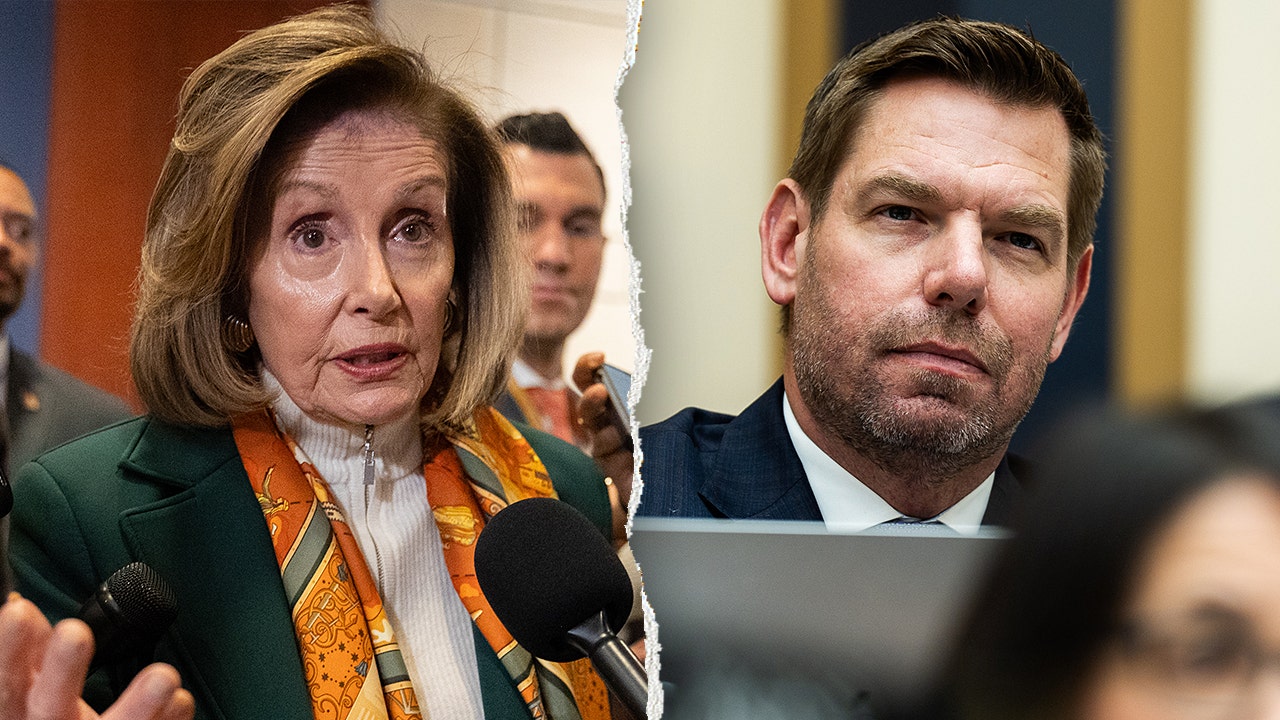
Former House Speaker Nancy Pelosi said she had no knowledge of sexual misconduct allegations against Rep. Eric Swalwell prior to media reports by CNN and The San Francisco Chronicle. Swalwell announced plans to resign from the House after four women publicly accused him of sexual misconduct, including one former staffer who alleges rape while too intoxicated to consent. He suspended his 2026 gubernatorial campaign after labor unions and endorsers withdrew support. Rep. Anna Paulina Luna had planned to introduce an expulsion resolution that would have required a two-thirds House majority; some Democrats indicated they would support such action. Pelosi described Swalwell’s resignation as the right decision, said she had not endorsed his gubernatorial bid, and did not state whether she personally advised him to resign. Sen. Ruben Gallego similarly said he had no prior knowledge of the allegations. Swalwell’s office did not immediately respond to requests for comment in the article.
Biblical Reflection
This story sits at the intersection of moral accountability, political consequence, and media reporting. From a Christian perspective, there are several truths to hold together: the importance of listening to and caring for those who raise allegations of sexual harm; the need for fair and impartial investigation and due process; and the call for leaders to model integrity and transparency. The article focuses on political fallout and leaders’ responses—Pelosi’s distancing, the suspension of Swalwell’s campaign, and the threat of expulsion—which reflects a political lens that can crowd out attention to the experiences of alleged victims or to the factual work of investigation. Readers should be aware of partisan framing: coverage may emphasize how relationships and power within a party are affected, rather than centering pastoral care for victims or a sober, evidence-based accounting. Biblically, Christians are urged both to seek justice for the vulnerable and to preserve truth-seeking processes (Micah 6:8). Practically, the faithful response is to pray for victims, to call for thorough and fair inquiry, to avoid rushing to partisan conclusions, and to expect moral accountability from public leaders and institutions.
Scripture in context
This outlook does not yet include contextual Scripture citations. Do not treat a general biblical theme as an exegetical conclusion.
Faithful Response
No prescribed response is offered. Consider the reflection prompts below in your own church context.
Reflection and Discussion
- 1How does the article balance attention between political consequences and the experiences of the alleged victims; what is gained or lost by that balance?
- 2Where does partisan loyalty appear to shape the coverage or responses of leaders, and how should Christians evaluate such alignments in light of a call to justice and truth?
- 3In situations of public allegation, how should we hold together care for survivors, the importance of due process, and the demand for moral accountability?
Sources
Reporting links are evidence inputs; Sanctuary News' biblical reflection is commentary.
This outlook currently relies on fewer than two linked sources. Broaden verification before teaching from it.
- 1.Original reportprimary