News Summary
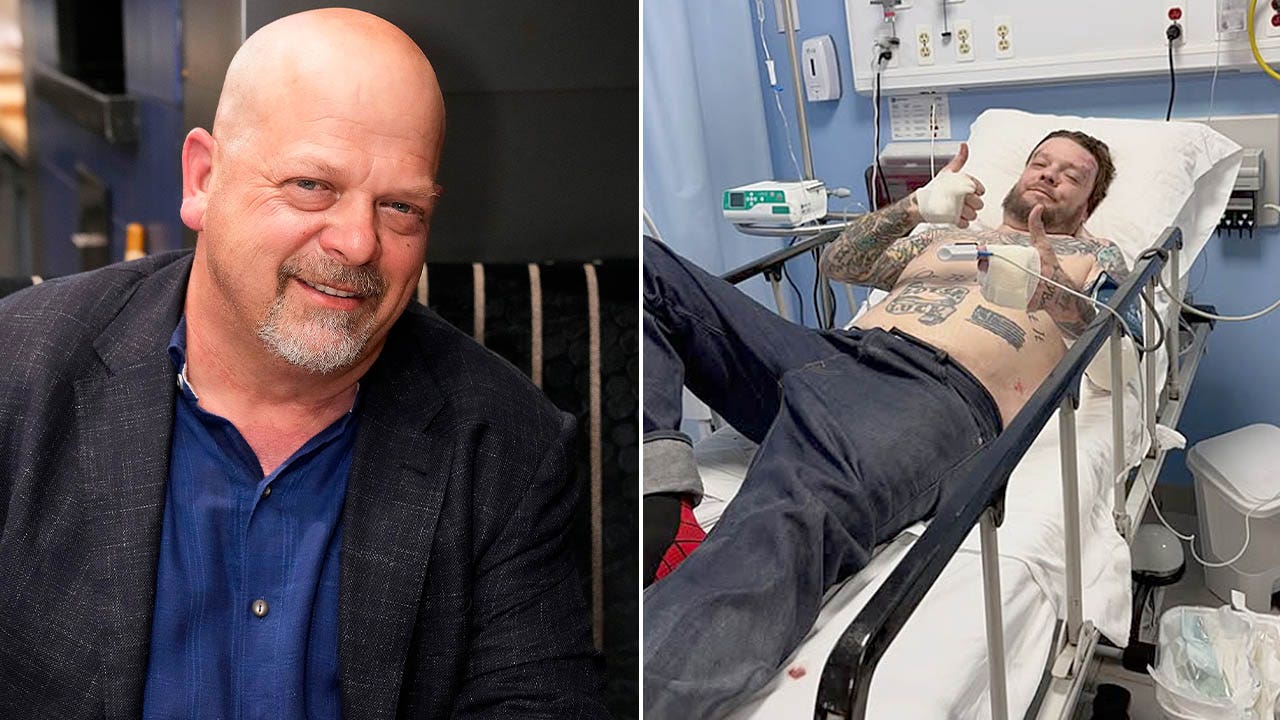
The article discusses the aftermath of Corey Harrison's motorcycle accident in Mexico, which left him with extensive injuries and significant medical bills. Corey, a former 'Pawn Stars' personality, claims he depleted his funds to cover his hospital expenses and subsequently relied on a GoFundMe campaign initiated by a friend. Despite his father's, Rick Harrison's, previous financial support for Corey's care, Rick asserts that Corey is responsible for his own finances as an adult. The fundraiser has attracted both criticism and support from fans, with some questioning the appropriateness of seeking public donations and others offering encouragement. Corey describes the dire medical circumstances he faced in Mexico, the overwhelming costs, and the continued financial hardship affecting his recovery and living situation.
Biblical Reflection
Viewed through a biblical lens, this story touches on several scriptural themes: the responsibility of adulthood, the call to bear one another’s burdens, and the stewardship of resources. Rick Harrison’s position—that his adult son must take responsibility for his finances—aligns with the biblical principle that 'each one should carry their own load' (Galatians 6:5). However, the broader context of Corey’s desperation, injury, and the community response brings to mind the command to 'carry each other’s burdens' (Galatians 6:2). There is an honest tension: while personal responsibility is right and good, so too is compassion, generosity, and humility in both giving and receiving help. The public scrutiny and criticism reveal our culture’s struggle with fame, self-sufficiency, and charity. Christians are called to give without judgment and to accept help with gratitude and humility. Ultimately, the story reminds us that illness and financial distress can befall anyone, and that both accountability and mercy should mark our response.
Scripture in context
This outlook does not yet include contextual Scripture citations. Do not treat a general biblical theme as an exegetical conclusion.
Faithful Response
No prescribed response is offered. Consider the reflection prompts below in your own church context.
Reflection and Discussion
- 1How do I balance personal responsibility with compassion and generosity for those in need?
- 2Am I willing to accept help when I need it, or does pride keep me from seeking support?
- 3When I see someone in a difficult situation—especially someone I might assume is 'well off'—do I respond with judgment or with empathy?
Sources
Reporting links are evidence inputs; Sanctuary News' biblical reflection is commentary.
This outlook currently relies on fewer than two linked sources. Broaden verification before teaching from it.
- 1.Original reportprimary