News Summary
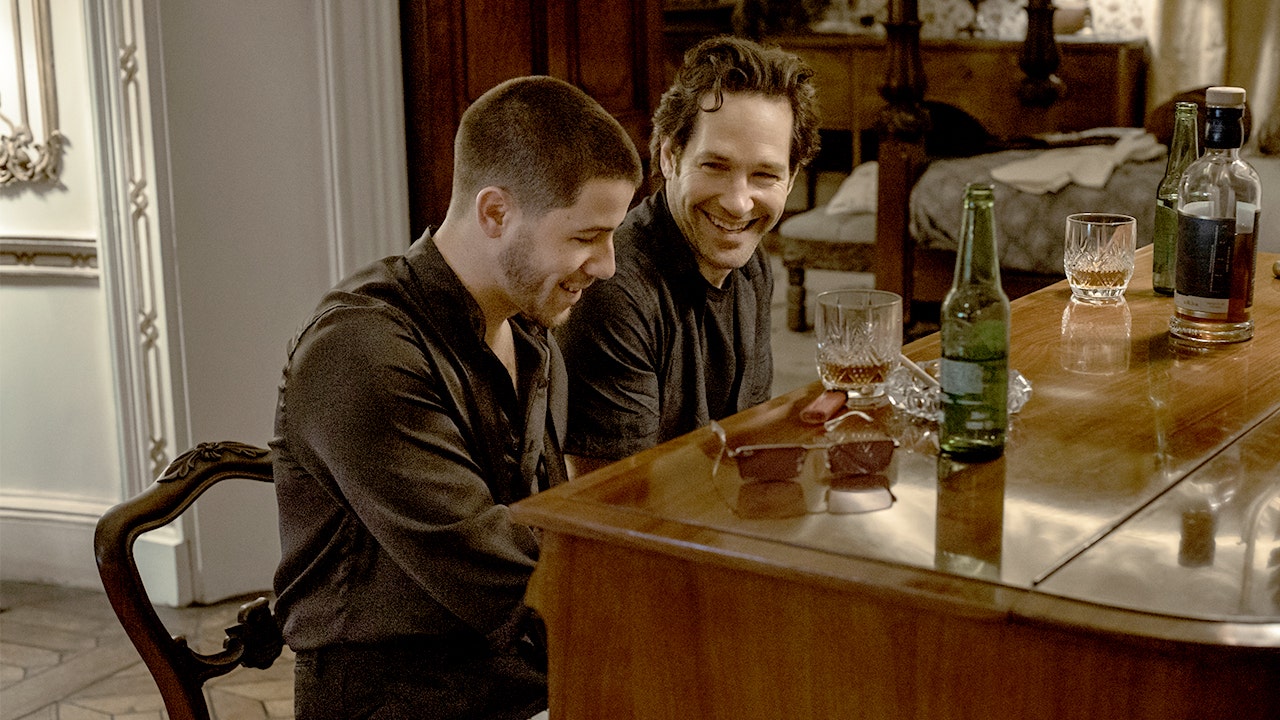
Fox News Digital reviewed Lionsgate's music dramedy Power Ballad, directed by John Carney and written/co-written with original songs by Carney. The film stars Paul Rudd as Rick Power, an American wedding singer living in Ireland and former rock frontman, and Nick Jonas as Danny Wilson, a former boy-band singer. At a wedding Rick and Danny begin collaborating; later Danny returns to Los Angeles and releases a smash hit, “How to Write a Song Without You,” which Rick believes was based on a song he shared with Danny. The story follows Rick’s attempts to claim credit for the song and the personal and family consequences that follow. The review praises Rudd and Jonas as reliable performers, notes Beth Fallon as Rick’s daughter Aja, and calls the film a crowd-pleaser though not on the level of Carney’s best work (Once, Sing Street). The reviewer says the third act meanders but the ending satisfied the audience; the film is rated R for language throughout and some drug use, runs 1 hour 38 minutes, and is in theaters now. The piece was written by Joseph A. Wulfsohn for Fox News Digital.
Biblical Reflection
The film centers on familiar human themes—nostalgia for past glory, the temptation to claim another’s work, and the strain such pride places on family and vocation. Seen through a Christian lens, these are moral and spiritual issues: honesty about authorship, humility about past achievements, and the duty to protect relationships over reputation. The review is mainly descriptive and promotional rather than deeply critical; it frames the movie as entertaining and crowd-pleasing while comparing it to the director’s earlier, more plaintive works. Readers should note that the article aims to evaluate audience enjoyment and performer chemistry more than to probe ethical or theological implications. For Christian viewers, the film can be an opportunity to reflect on how culture often glorifies comeback narratives and celebrity while sidelining the quieter virtues of repentance, reconciliation, and faithful stewardship of gifts. Also take practical note of the R rating—parents and churches may want to screen before recommending to younger viewers.
Scripture in context
This outlook does not yet include contextual Scripture citations. Do not treat a general biblical theme as an exegetical conclusion.
Faithful Response
No prescribed response is offered. Consider the reflection prompts below in your own church context.
Reflection and Discussion
- 1Does the story celebrate individual fame or the responsible stewardship of creative gifts, and how does that affect what we admire?
- 2What assumptions about success and credit does the film (and its review) normalize, and how might a Christian ethic of honesty and reconciliation challenge those assumptions?
- 3How should Christians weigh entertainment that portrays moral failings: primarily as cautionary tales to learn from, or simply as diversion?
Sources
Reporting links are evidence inputs; Sanctuary News' biblical reflection is commentary.
This outlook currently relies on fewer than two linked sources. Broaden verification before teaching from it.
- 1.Original reportprimary