News Summary
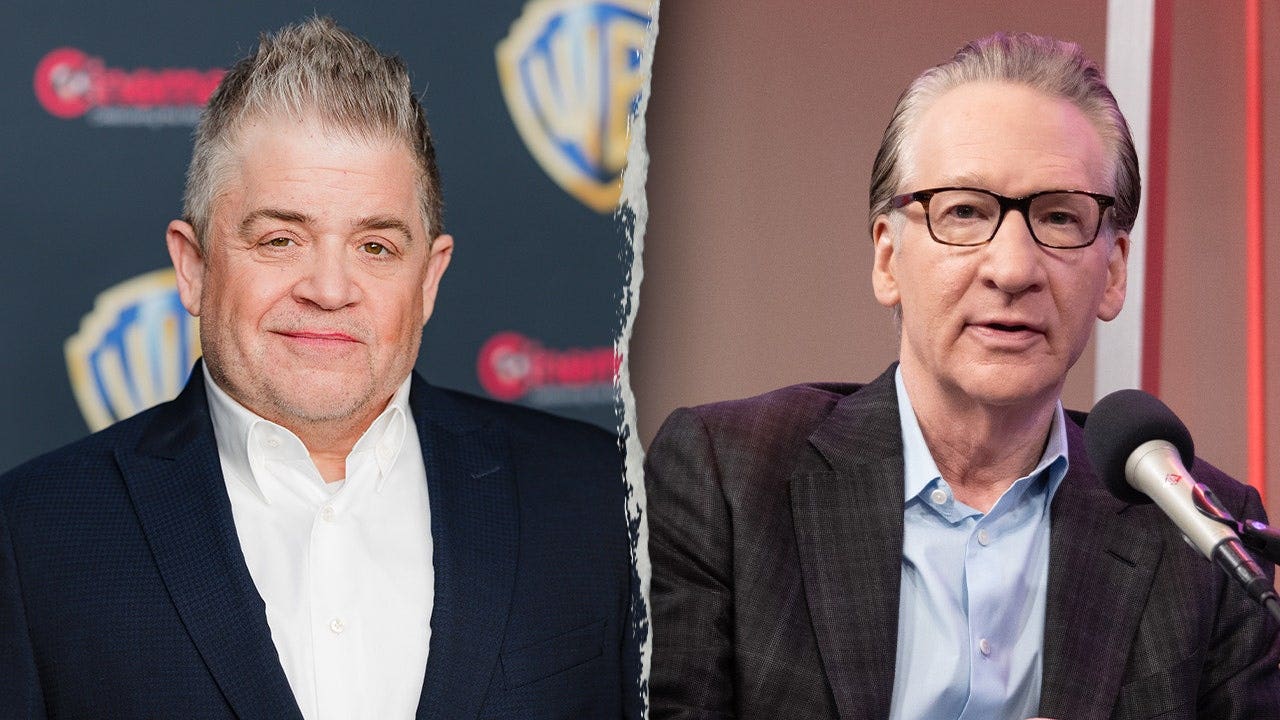
On a recent episode of HBO's Real Time, host Bill Maher discussed his dispute with President Donald Trump after a White House dinner in April. Comedian Patton Oswalt told SiriusXM host Dean Obeidallah that Maher was wrong to try to "placate" Trump, arguing that attempts to find common ground with Trump lead to being targeted later. Oswalt contrasted Maher's approach with late-night hosts like Stephen Colbert and Jimmy Kimmel, saying those hosts remain openly critical and therefore avoid being embraced and then turned on. The article references a February Truth Social post in which Trump called his dinner with Maher a "waste of time" and criticized Maher for comments made after their meeting. Maher responded publicly that he continued criticizing Trump and did not stop after the dinner. Fox News Digital sought comment from Maher's representatives but did not immediately receive a response.
Biblical Reflection
This story centers on how public figures engage with powerful political leaders and the media's interest in interpersonal conflict. From a Christian perspective, several themes are relevant: the tension between seeking relationship and maintaining prophetic witness; the risk of flattering or minimizing wrongdoing to gain access; and the importance of speaking truth with integrity. Oswalt's critique warns against a posture that prioritizes favor or access over consistent moral clarity. Maher's defense emphasizes sustained criticism despite meeting with Trump. The article is framed as media commentary and highlights conflict, which can amplify polarization for clicks. Christians should note that neither personal relationship with a leader nor total withdrawal is a guaranteed moral posture—what matters is whether words and actions reflect truth, humility, and love. Scripture calls us to both speak truth and do so in love (not to curry favor), to fear God more than man, and to avoid sycophancy. At the same time, engagement with leaders can be an avenue for influence and witness when done with discernment, courage, and accountability. Be wary of narratives that reduce complex motives to simple moral judgments and of media framing that prizes confrontation over constructive, truth-oriented engagement.
Scripture in context
This outlook does not yet include contextual Scripture citations. Do not treat a general biblical theme as an exegetical conclusion.
Faithful Response
No prescribed response is offered. Consider the reflection prompts below in your own church context.
Reflection and Discussion
- 1Does the coverage assume that access or praise from a powerful person is inherently corrupting, or does it allow for principled engagement? What evidence would support either view?
- 2How does the media’s focus on personal conflict between public figures shape our understanding of moral responsibility versus strategic compromise?
- 3When Christians observe public figures seeking influence with political leaders, what standards should guide whether that engagement is wise or compromising?
Sources
Reporting links are evidence inputs; Sanctuary News' biblical reflection is commentary.
This outlook currently relies on fewer than two linked sources. Broaden verification before teaching from it.
- 1.Original reportprimary