News Summary
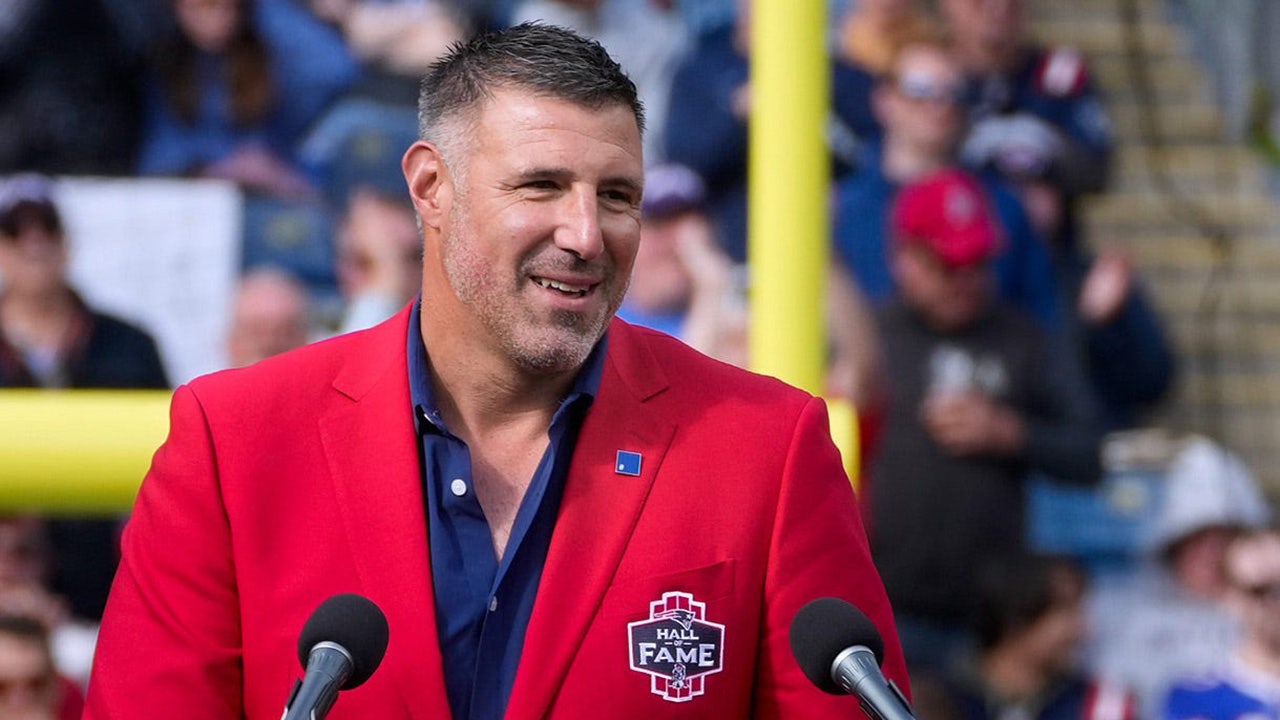
At a packed season-ticket holder event at the Gillette Stadium atrium, New England Patriots head coach Mike Vrabel was introduced to applause and received a standing ovation from the crowd. The event occurred amid public scrutiny over photographs showing Vrabel and reporter Dianna Russini together and an ongoing media inquiry into the matter. The NFL said it had not found conduct-policy violations in its initial review and deferred further decisions to the Patriots organization. Vrabel confirmed he met with owner Robert Kraft and team president Jonathan Kraft, took days off described as for 'counseling' and missed a day of the NFL Draft; he has returned to team duties. The article notes that despite the controversy and some diminished credibility among peers, Vrabel retains visible support from ownership and many season-ticket holders, and raises questions about fan loyalty, public perception, and how performance affects responses to alleged personal misconduct.
Biblical Reflection
This story highlights two overlapping realities Christians should weigh: the need for truthful, impartial accountability and the human tendency to protect beloved leaders. The article reports facts—an ovation, owner support, league deference, and ongoing media scrutiny—but also contains interpretive language that assumes fans are overlooking misconduct because of success. Readers should notice that sports fandom can create tribal loyalty that discourages critical scrutiny, while media coverage can amplify either skepticism or defense depending on angle. From a biblical standpoint, neither reflexive condemnation nor reflexive defense is trustworthy. Scripture calls God’s people to pursue truth (Proverbs 12:17), to hold one another accountable with humility (Galatians 6:1), and to avoid idolizing leaders (Ezekiel 34 warns against shepherds who feed themselves). Apply both grace and a commitment to justice: allow facts and due process to guide judgment, protect vulnerable parties (including those in the media), and insist that restoration include repentance and transparent accountability when wrongdoing is shown. Be alert to the worldview shaping the article—celebrating performance while minimizing moral questions—and resist letting success become a shield against necessary moral standards.
Scripture in context
This outlook does not yet include contextual Scripture citations. Do not treat a general biblical theme as an exegetical conclusion.
Faithful Response
No prescribed response is offered. Consider the reflection prompts below in your own church context.
Reflection and Discussion
- 1Does the article encourage uncritical loyalty to a leader because of success, and how does that compare with Scripture’s call for honest accountability?
- 2How might media framing (either defensive or accusatory) shape public judgment here, and what criteria should Christians use to evaluate those frames?
- 3Are we treating restoration and justice as mutually exclusive, or can we insist on both transparent accountability and compassionate restoration when facts warrant it?
Sources
Reporting links are evidence inputs; Sanctuary News' biblical reflection is commentary.
This outlook currently relies on fewer than two linked sources. Broaden verification before teaching from it.
- 1.Original reportprimary