News Summary
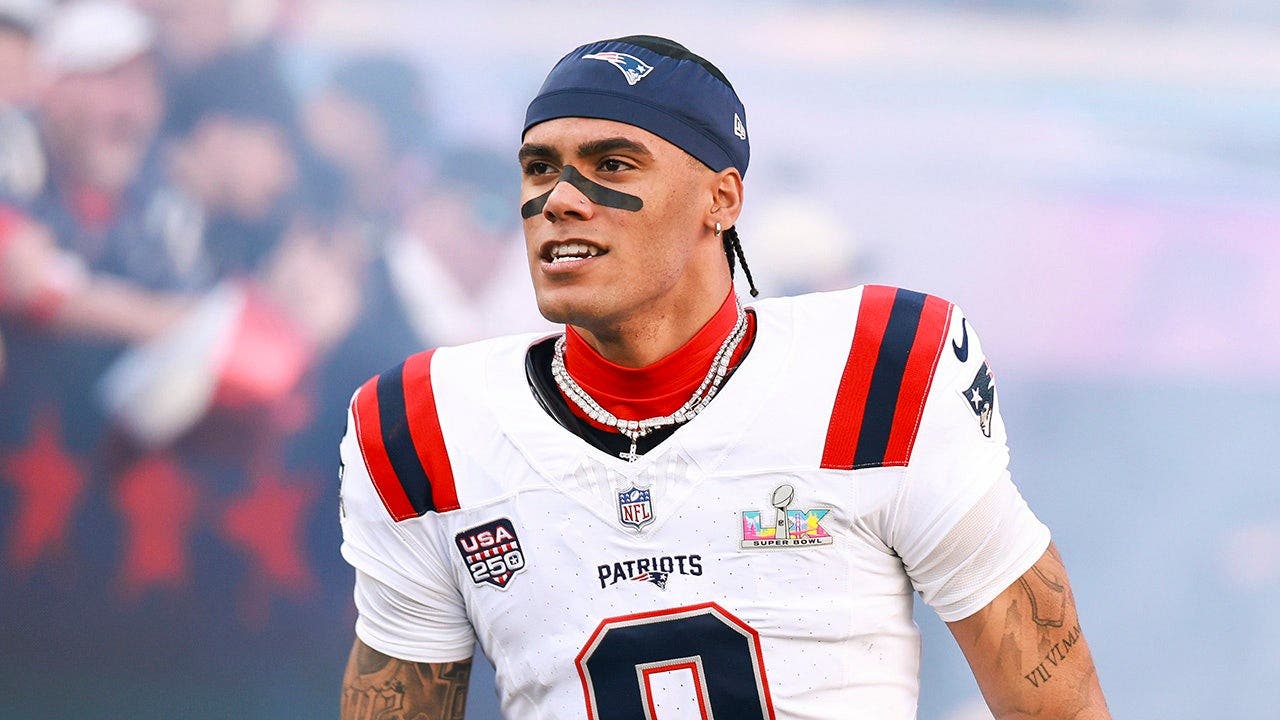
New England Patriots cornerback Christian Gonzalez publicly expressed support for head coach Mike Vrabel when asked about Vrabel’s controversial relationship with former reporter Dianna Russini, saying he will not discuss private team conversations and that he “rides behind Vrabes any time.” Other Patriots players and team leaders likewise declined to comment on the coach’s off-field situation and emphasized focusing on football. The Patriots issued a statement expressing confidence in Vrabel and noting his commitment to becoming “the best version of himself” for family and team. Vrabel attended the first two nights of the 2026 NFL Draft but stepped away for rounds four through seven to begin counseling, a decision he said was to follow through on his promise to family and the organization. Photographs from 2020 later published by the New York Post show Vrabel and Russini kissing at a New York bar; Russini reportedly married another man six months after those photos were taken. Vrabel has been married since 1999 and has two sons; the team and players have emphasized internal focus and unity while the off-field matter is addressed.
Biblical Reflection
This story sits at the intersection of leadership, privacy, accountability, and public interest. The reporting documents facts: photos, a team statement of support, player loyalty, and Vrabel’s choice to seek counseling. From a Christian perspective, several biblical priorities apply. Leaders—especially public ones—bear heightened responsibility for integrity (cf. 1 Timothy’s pastoral qualifications), and when conduct undermines that integrity, the church and community should seek truth, accountability, and restoration rather than sensationalism or blind loyalty. At the same time, Scripture calls believers to restore gently and to avoid snap judgments (Galatians 6:1). The players’ emphasis on focusing on their work and not airing private matters publicly reflects a legitimate desire to preserve team unity and privacy, but unity should not protect wrongdoing or silence necessary accountability. Media coverage can amplify scandal and encourage polarized responses—either idolizing leaders or rushing to cancel—so Christians should test narratives for fairness, motive, and proportion. Pray for truth, wise pastoral care for those involved, protection for families, and humility among fans and reporters. Balance compassion with a call to holiness: offer grace and support for repentance and counseling, but also expect leaders to accept responsibility and make amends where needed.
Scripture in context
This outlook does not yet include contextual Scripture citations. Do not treat a general biblical theme as an exegetical conclusion.
Faithful Response
No prescribed response is offered. Consider the reflection prompts below in your own church context.
Reflection and Discussion
- 1How does fandom or workplace loyalty shape the way we respond to leaders’ moral failings—are we inclined to defend, excuse, or demand accountability?
- 2Is the media framing focused more on scandal and spectacle than on factual context and consequences for those harmed or affected?
- 3How can Christian communities uphold both compassion for people who have failed and a clear expectation of repentance and restored character for those in positions of influence?
Sources
Reporting links are evidence inputs; Sanctuary News' biblical reflection is commentary.
This outlook currently relies on fewer than two linked sources. Broaden verification before teaching from it.
- 1.Original reportprimary