News Summary
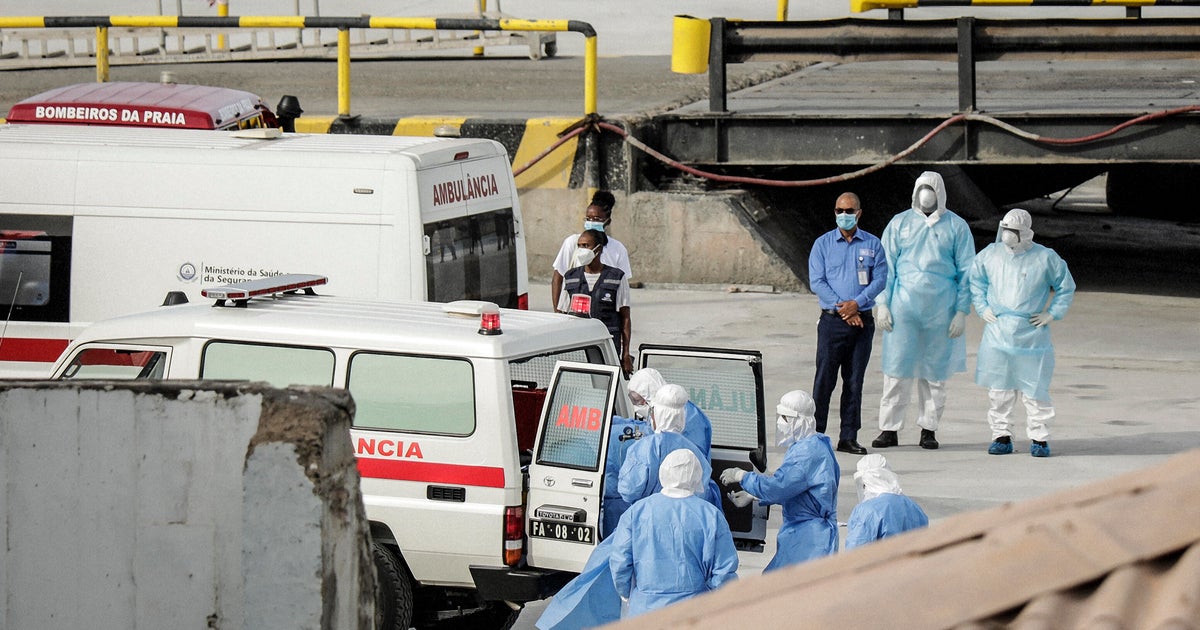
Health authorities and the World Health Organization (WHO) are monitoring passengers who disembarked the MV Hondius after hantavirus cases were confirmed on the ship. The WHO says 12 countries are monitoring people who left the vessel before cases were known: Canada, Denmark, Germany, the Netherlands, New Zealand, Saint Kitts and Nevis, Singapore, Sweden, Switzerland, Turkey, the United Kingdom and the United States. Three people who were on the cruise have died (a Dutch couple and a German woman). The virus identified in confirmed cases is the Andes strain of hantavirus, a rare strain primarily found in Argentina and Chile that can be transmitted between humans, typically after close and prolonged contact. Thirty guests, including six Americans, disembarked the Hondius on Saint Helena on April 24 and returned independently to their home countries; some of those passengers are being monitored in U.S. states including Georgia, Virginia and California, with no symptoms reported to date. Additional suspected or confirmed cases were evacuated or tested in South Africa, the Netherlands and Switzerland. The MV Hondius departed Cape Verde and is en route to anchor off the Canary Islands; some local officials have opposed docking. WHO, national health agencies and the U.S. CDC are coordinating monitoring and response. Public health experts cited in the article characterize the risk of a widespread outbreak as low, while noting the event is a test for global health systems.
Biblical Reflection
The article reports a genuine public-health event: a rare Andes hantavirus strain with documented human-to-human transmission has been linked to a cruise, prompting international monitoring and coordination. From a Christian perspective, the facts call for sober vigilance rather than panic. The piece largely conveys technical details (who is being monitored, where cases were identified, and expert assessments of risk), but readers should still watch for two common tendencies in coverage of infectious disease: (1) subtle amplification of fear through repeated mention of death and travel disruption without proportional context about transmission modes and actual risk, and (2) the potential to stigmatize places or travelers connected to an outbreak. Biblical truth directs Christians to love and care for the sick (Matthew 25:36), to seek and apply wisdom (James 1:5), and to act responsibly toward our neighbors (love your neighbor). That means supporting public-health measures and cooperation with authorities, giving compassion to those affected, resisting scapegoating of individuals or nations, and refusing either reckless denial or panic. The article's emphasis on international coordination and expert assessment aligns with wise stewardship of common good; yet readers should continue to follow primary public-health sources for guidance and avoid amplifying unverified rumors. Pray for wisdom for health leaders, care for those ill, and calm discernment in public response.
Scripture in context
This outlook does not yet include contextual Scripture citations. Do not treat a general biblical theme as an exegetical conclusion.
Faithful Response
No prescribed response is offered. Consider the reflection prompts below in your own church context.
Reflection and Discussion
- 1What specific evidence is cited for the level of public risk, and are sources like WHO and national health agencies being followed more than speculation?
- 2Am I responding with fear, blame, or compassion toward the people and places mentioned in this report, and how does Scripture shape that response?
- 3How can Christians support public-health efforts (cooperation, prayer, care for the sick) while also demanding transparency and truth from institutions?
Sources
Reporting links are evidence inputs; Sanctuary News' biblical reflection is commentary.
This outlook currently relies on fewer than two linked sources. Broaden verification before teaching from it.
- 1.Original reportprimary