News Summary
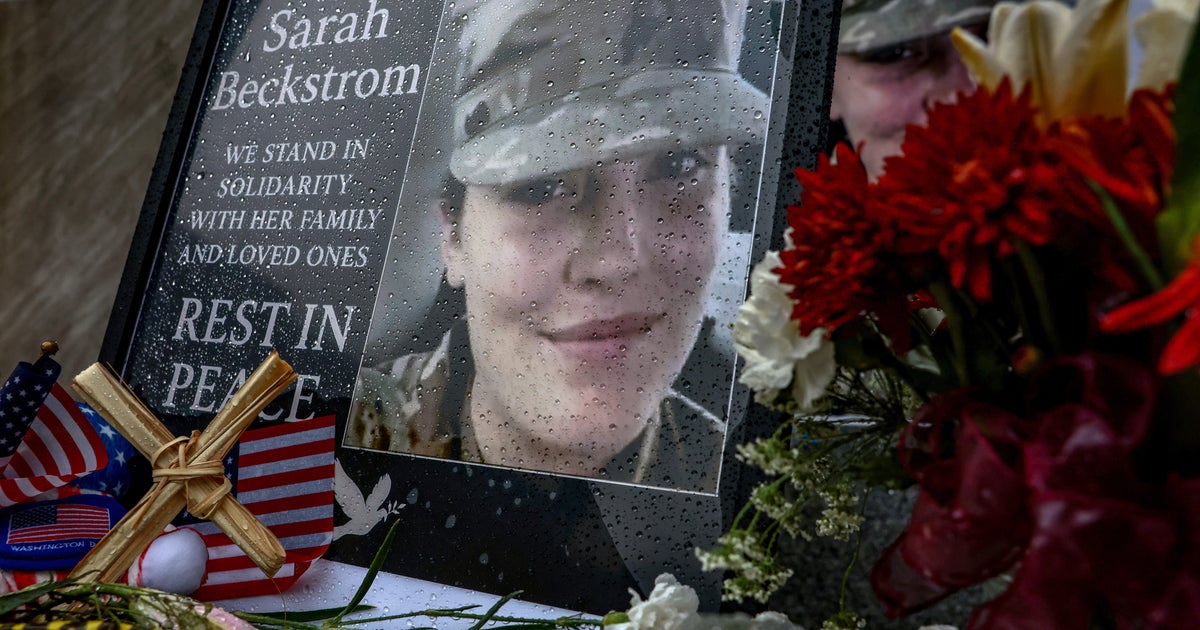
The article details that the parents of Sarah Beckstrom, a 20-year-old National Guard member killed in an ambush-style attack in Washington, D.C., will attend President Trump's upcoming State of the Union address as honored guests. Also attending will be Dalilah Coleman, a 7-year-old girl severely injured in a car crash allegedly caused by an undocumented immigrant truck driver. President Trump plans to highlight these guests during his speech on border and homeland security. The article provides background on both incidents: Beckstrom was killed while serving in D.C., having volunteered for deployment and previously worked in behavioral health. The suspect in her shooting is an Afghan national who has pleaded not guilty to murder and assault charges. Dalilah Coleman suffered life-altering injuries and is now nonverbal with cerebral palsy following the accident, the driver involved now in ICE custody. The article underscores the administration's intentions to use these personal stories to address issues of crime, immigration, and public safety.
Biblical Reflection
From a biblical perspective, these tragic stories of loss and suffering highlight both the brokenness of our world and the calling to compassion, justice, and truth. Scripture calls us to mourn with those who mourn (Romans 12:15), to care for the vulnerable, and to value every human life as made in God's image (Genesis 1:27). The politicization of individual tragedies—while understandable in the context of national debate—should never overshadow the inherent dignity of victims or the deep grief of families. Christians are called to pursue justice without partiality (James 2:1-9), to comfort the afflicted, and to seek healing for communities torn by violence and division. While it is legitimate to debate laws and policies, believers should resist any rhetoric that dehumanizes others or stokes fear based on nationality or status (Leviticus 19:33-34). Instead, we are urged to pray for all in authority (1 Timothy 2:1-2), advocate for justice, and embody Christ's love—especially toward the hurting, marginalized, and those seeking refuge. Ultimately, our hope for true peace and safety rests not in human systems but in the reconciling work of Christ.
Scripture in context
This outlook does not yet include contextual Scripture citations. Do not treat a general biblical theme as an exegetical conclusion.
Faithful Response
No prescribed response is offered. Consider the reflection prompts below in your own church context.
Reflection and Discussion
- 1How can I respond with compassion to those who are suffering, even when their stories are used in political debate?
- 2Am I guarding my heart against fear or prejudice, especially toward people from different backgrounds or countries?
- 3In what ways can I, as a follower of Christ, be a peacemaker and advocate for justice within my community?
Sources
Reporting links are evidence inputs; Sanctuary News' biblical reflection is commentary.
This outlook currently relies on fewer than two linked sources. Broaden verification before teaching from it.
- 1.Original reportprimary