News Summary
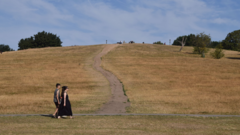
Reported facts: BBC states that much of the UK is experiencing very dry conditions after a summer marked by low rainfall and recurring heatwaves, and that a forecasted chance of rain failed to relieve the driest areas before another expected heatwave. Attributed claims: the article frames these conditions as part of a pattern of a dry summer and multiple heatwaves (attributed to the reporting source). Uncertainties: the piece provides no quantitative rainfall totals, regional breakdowns, impacts on water supplies or agriculture, forecast details, or attribution to long-term climate trends.
Source and Framing Analysis
The original BBC piece is brief and descriptive, lacking data (rainfall totals, reservoir levels, soil moisture) and concrete local impacts. That brevity influences readers toward concern about dryness and forthcoming heat without offering scope, timeline, or specific human consequences. The article does not attempt to analyze causes (for example, attribution to climate change) nor provide mitigation or policy context, which are material omissions for readers seeking to understand implications.
Biblical Reflection
The report states observable weather conditions (dryness, low rainfall, recurring heat) without assigning specific causes or listing detailed local impacts. Christians are called both to truth and to care: truth in acknowledging the limits of the reporting (few specifics, limited data) and care for neighbors likely affected by heat and water stress, including the elderly, outdoor workers, and farmers. The article's brevity leaves practical impacts unclear, so Christians should avoid jumping to alarm or partisan conclusions and instead press for clear facts while responding compassionately where need is known.
From a pastoral perspective, this kind of weather story highlights stewardship and neighbor-love. We must steward creation responsibly (wise use of water, support for resilient practices) and attend to the vulnerable who suffer most in heat and drought. The article's focus on conditions rather than solutions invites local, practical responses: relief, conservation, and advocacy for measures that protect people's health and livelihoods.
Finally, maintain humility about causes and solutions. While changing climate patterns are a legitimate concern for many, the BBC piece does not analyze attribution; Christians should seek solid evidence before making definitive public claims about causation, while still practicing mercy and prudence in preparing for heat- and drought-related harm.
Scripture in context
- 1Genesis 2:15 — Genesis narrates the creation story and includes an early instruction about human responsibility to 'tend' or 'work' the garden—an ancient literary context framing humanity as caretakers of creation rather than exploiters. — This passage undergirds a Christian ethic of environmental stewardship: drought and heat call believers to responsible management of resources, advocacy for sustainable practices, and care for those harmed when the environment strains under stress.
Faithful Response
Pray for those affected and for wise public leadership.
Check on and assist vulnerable neighbors (elderly, isolated, outdoor workers) with heat and water needs.
Conserve water in household and church practices and support local water-saving programs.
Support local charities, food banks, and farmers' networks facing drought-related hardship.
Seek reliable, local data (reservoir levels, official health advisories) before sharing claims about causes.
Reflection and Discussion
- 1Which neighbors in my community are most likely to be harmed by prolonged heat and dry conditions, and how can I locate and support them?
- 2How does this report shape my understanding of stewardship—both small actions (water use) and larger advocacy for community resilience?
- 3What facts are missing from this article that I should seek before forming strong public conclusions about causes and solutions?
Sources
Reporting links are evidence inputs; Sanctuary News' biblical reflection is commentary.
This outlook currently relies on fewer than two linked sources. Broaden verification before teaching from it.
- 1.UK's most parched regions miss chance for rain ahead of next heatwaveprimary_reporting