News Summary
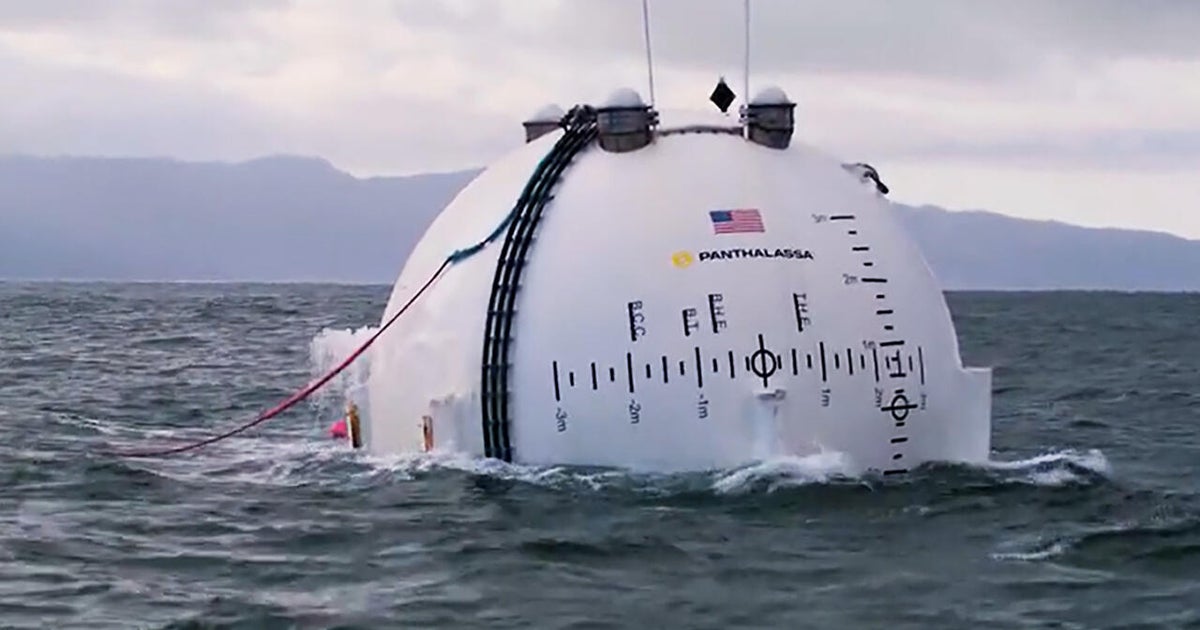
CBS News reports on Panthalassa, a company developing floating, wave-powered platforms called Ocean-2 (test model) and Ocean-3 (production design) that generate electricity by pumping seawater into a chamber and forcing it through a turbine. The Ocean-3 is described as an untethered, self-propelled system with no anchor and no power cables to shore. Panthalassa proposes to combine power generation and computing on the same platform so the devices act as floating data centers: they would run AI computing tasks onboard and transmit results via satellite. The company says it has secured private funding, is constructing Ocean-3 units, expects offshore operation around August 2026, and aims eventually to deploy thousands of units. The article relays the company CEO Garth Sheldon-Coulson’s claims that the approach is clean, fuel-free, land-sparing, scalable, and faster for AI companies than building land-based data centers. The piece does not report independent verification of technical or environmental claims, regulatory status, or perspectives from marine scientists, regulators, or potential maritime stakeholders.
Biblical Reflection
From a Christian perspective, this story reflects a desire to address two real problems—climate change from fossil fuels and the high energy demands of AI—through human creativity and stewardship. Scripture calls us to care for creation (see Genesis 2:15), and pursuing cleaner energy solutions can be an act of faithful stewardship and love for neighbors harmed by pollution and climate change. At the same time, the article is shaped by technological optimism and the company’s promotional claims; it contains few independent assessments of environmental impact, maritime safety, data security, or long-term reliability. Christians should welcome innovation that truly serves the common good, but also practice prudent discernment: ask for transparent evidence, environmental impact studies, and consideration of those who live and work on the sea (fisherfolk, coastal communities, regulators). Beware of a narrative that treats technology as a panacea—redeeming creation requires both wise innovation and humility about unintended consequences. Ethically, evaluate whether the project balances flourishing (clean energy, economic opportunity) with protection of vulnerable ecosystems and communities, and whether governance and accountability structures are in place to prevent exploitation or harm.
Scripture in context
This outlook does not yet include contextual Scripture citations. Do not treat a general biblical theme as an exegetical conclusion.
Faithful Response
No prescribed response is offered. Consider the reflection prompts below in your own church context.
Reflection and Discussion
- 1What independent evidence would I need to see to trust that these floating data centers are truly low-impact, reliable, and safe for marine ecosystems and maritime users?
- 2Whose voices are missing in this report—marine scientists, coastal communities, fishermen, regulators—and how would their inclusion change the story’s claims?
- 3Does the framing prioritize rapid technological scaling and private profit over careful stewardship and public accountability, and how should Christians weigh those priorities?
Sources
Reporting links are evidence inputs; Sanctuary News' biblical reflection is commentary.
This outlook currently relies on fewer than two linked sources. Broaden verification before teaching from it.
- 1.Original reportprimary