News Summary
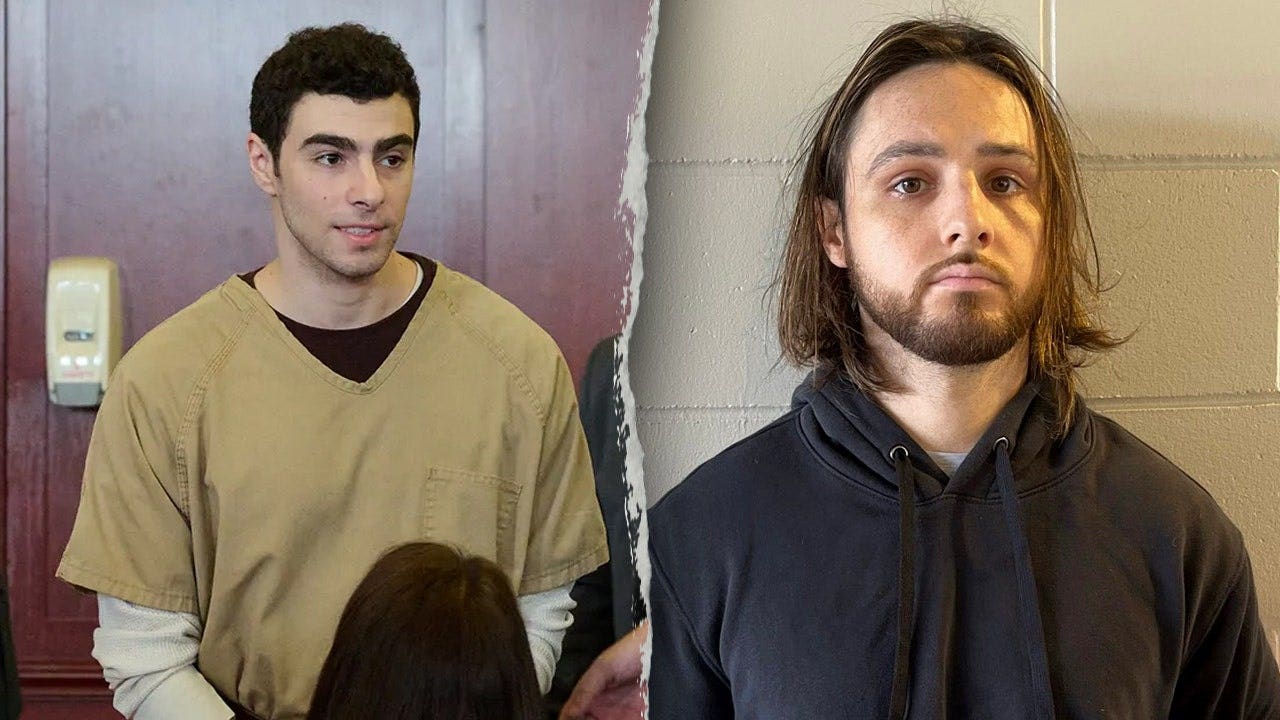
A federal judge declared a mistrial in the case against Jonathan Rinderknecht, who was accused of starting the Palisades Fire that killed 12 people; jurors were deadlocked (reported 10 not guilty, 2 guilty), and the government plans to retry the case in mid-October. A juror who spoke publicly said there was "no proof" and called a retrial a waste of taxpayer money. Former federal prosecutor Neama Rahmani told Fox News Digital the deadlock could reflect jury nullification, blame of local officials, or other biases. Rahmani warned that the mistrial heightens concern that ideological or sympathetic views might influence juries and could pose a threat to the upcoming federal trial of Luigi Mangione, who is accused of killing UnitedHealthcare CEO Brian Thompson in December 2024; prosecutors have signaled intent to seek the death penalty in Mangione’s case. Rahmani cited polls indicating some public sympathy for Mangione (reported at 10–20%), warned of "stealth jurors" who conceal biases during selection, and said social media and polarization make jury nullification more likely than in the past. The story notes prosecutors must carefully vet jurors in both cases; Mangione’s trial timing could overlap with the Rinderknecht retrial.
Biblical Reflection
From a Christian perspective, this story highlights tensions between public sentiment and the impartial administration of justice. The article reports real procedural developments and a prosecutor’s professional concern about jury nullification and hidden juror biases — valid civic issues when public sympathy, anger at officials, or ideological currents threaten fair verdicts. The piece leans on commentary that emphasizes risk and spectacle (e.g., describing Mangione as unusually "popular"), which can feed tribal reactions; readers should note the source’s framing and the use of selective quotes and poll numbers to underscore a threat narrative. Spiritually, Christians are called to both pursue justice and show mercy; that requires resisting crowds and online fervor, valuing careful fact-finding, protecting the rights of victims and accused alike, and advocating for transparent, impartial trials. The mention of the death-penalty decision also raises moral complexity — faithful discernment should weigh respect for victims and community safety alongside the church’s long-standing commitments to the sanctity of life, repentance, and restorative justice. Finally, the story reminds believers to pray for judges, jurors, lawyers, and grieving families, and to avoid gloating or vilifying while seeking truth.
Scripture in context
This outlook does not yet include contextual Scripture citations. Do not treat a general biblical theme as an exegetical conclusion.
Faithful Response
No prescribed response is offered. Consider the reflection prompts below in your own church context.
Reflection and Discussion
- 1Are our own media habits and social feeds shaping how we assume jurors and officials will act, and does that distort our view of fair process?
- 2When public sympathy or outrage grows around a case, how can Christians hold to both compassion for victims and the legal principle of impartial trials?
- 3What safeguards should we expect in jury selection and court process to protect the integrity of verdicts from ideology or hidden bias?
Sources
Reporting links are evidence inputs; Sanctuary News' biblical reflection is commentary.
This outlook currently relies on fewer than two linked sources. Broaden verification before teaching from it.
- 1.Original reportprimary