News Summary
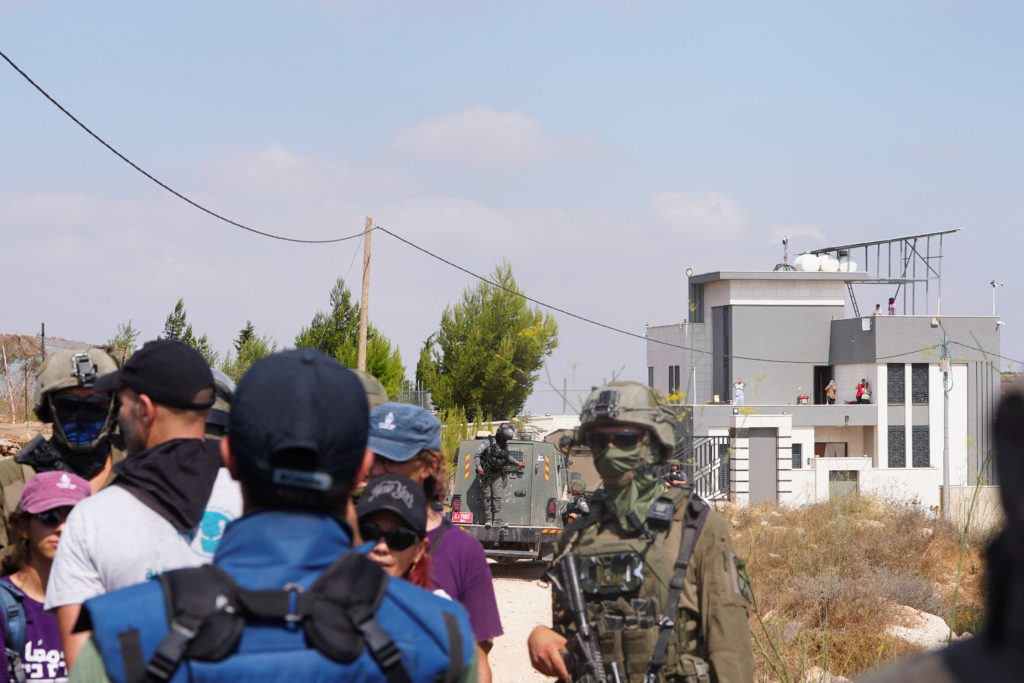
PBS NewsHour reports a localized standoff in the West Bank village of Qusra in which Palestinian families are described as besieged and activists supporting the Palestinians marched toward the homes to deliver food and water. The report says residents fear Israeli settlers will seize their homes and uses qualifying language (e.g., "apparently") about settlers' intentions. The piece documents humanitarian pressure (dwindling food and water) and relief efforts on the ground but does not include direct statements from settlers or Israeli authorities, nor independent verification of alleged seizure plans.
Source and Framing Analysis
Source: PBS NewsHour (single-source report for this cluster). The piece foregrounds humanitarian distress and activist relief efforts while using cautious phrasing about motives ("apparently"), which signals uncertainty about settlers' intentions. Framing choices — calling the homes "besieged" and emphasizing dwindling supplies and activist action — center civilian need and urgency. Important omissions in this single-source account: no direct quotes from settlers, no statements from Israeli authorities or security forces, no independent observers cited, and no quantitative details (numbers of residents, activists, or the scale/duration of shortages). Those absences leave material uncertainty about intent, scale, chronology, and official responses. Readers should treat allegations about settlers’ goals as reported fears rather than independently established conclusions until additional sources confirm them.
How sources covered this story
Sanctuary separately assesses reporting quality and alignment with Christian virtues. The virtues assessment considers truthfulness, dignity, compassion, justice, peacemaking, humility, and care for vulnerable people. It does not assess a publisher's faith or reward religious language.
Compare 1 reports
Reporting 75/100Virtues 78/100
- Distinctive contribution
- Reports that activists supporting Palestinians marched toward besieged homes to replenish dwindling food and water, and frames the situation as a standoff in which settlers 'apparently' seek to push families out — conveying both humanitarian need and alleged intent by settlers.
- Framing
- Brief, descriptive framing that uses cautious language (e.g., 'apparently') about settlers' intentions and labels the situation a 'standoff' and the homes 'besieged.' It highlights a humanitarian angle (dwindling food and water) and the role of activists supporting the Palestinian residents.
- Omissions or uncertainty
- No attribution for claims (who reported settlers' intent), no dates, no numbers (how many activists, how many residents), no quotes from residents/authorities, no evidence of violence or injuries, no information on the role or response of Israeli security forces, and no legal or historical context for the dispute. The single sentence leaves uncertainty about timing and scale.
- Why these scores
- The excerpt is concise and cautious (uses 'apparently') and conveys clear, newsworthy facts about a humanitarian squeeze and activism. However, it lacks attribution, specifics (numbers, dates, direct sources or quotes), and contextual detail that would strengthen verification and depth. For a short item the wording is responsibly careful but limited in substance. The wording is restrained and non‑inflammatory, foregrounds human need (dwindling food and water) and the actions of activists trying to relieve suffering, which aligns with compassion and care for vulnerable people. It avoids dehumanizing language. The score is not higher because the excerpt provides limited context about harms, responsibilities, or remedies that would further support justice or peacemaking themes.
Biblical Reflection
A Christian response to this report centers truth, mercy, justice, peacemaking, humility, and care for vulnerable neighbors. Truth requires careful verification and resisting quick judgments when reports are incomplete. Mercy and justice call us to attend to the immediate humanitarian needs described — food, water, and protection for civilians — while advocating for remedies that respect human dignity and the rule of law. Peacemaking urges nonviolent support for the vulnerable and patient work toward durable protections for property and life. Humility reminds the church to hold its conclusions lightly when evidence is limited; dignity requires concrete solidarity with those suffering regardless of identity.
Scripture in context
- 1Luke 10:25-37 (Parable of the Good Samaritan) — In that parable Jesus challenges ethnic and religious boundaries by portraying a marginalized outsider as the one who shows mercy and practical care to an injured stranger. — The passage calls Christians to cross social barriers to care for those in immediate need, to prioritize mercy and practical help over partisan affiliation, and to measure neighborliness by action. Applied to Qusra, it urges believers to notice and relieve human suffering while seeking truth and nonviolent justice.
Faithful Response
Pray for the civilians in Qusra, for safe and humane treatment of all vulnerable people, and for clarity and restraint among those responding.
Seek additional, independent reporting before drawing firm conclusions or amplifying contested claims.
Support impartial humanitarian actors who can deliver food, water, shelter, and legal aid without escalating tensions.
Advocate nonviolent protection for civilians and for legal processes that uphold property rights and human dignity.
Provide pastoral care for those distressed by the news and create congregational spaces for informed, humble dialogue rather than partisan recrimination.
Reflection and Discussion
- 1Which voices are present in the report (residents, activists, reporters) and which are absent (settlers, Israeli authorities, independent observers)? How does that shape what we know?
- 2How can our desire for justice be balanced with the need for accurate information when reports are incomplete or emotionally urgent?
- 3What concrete, nonviolent actions can Christians take to protect dignity, relieve immediate suffering, and pursue long-term reconciliation in contexts like Qusra?
Sources
Reporting links are evidence inputs; Sanctuary News' biblical reflection is commentary.
This outlook currently relies on fewer than two linked sources. Broaden verification before teaching from it.
- 1.Palestinians besieged in West Bank village of Qusra fear Israeli settlers will seize their homesprimary_reporting