News Summary
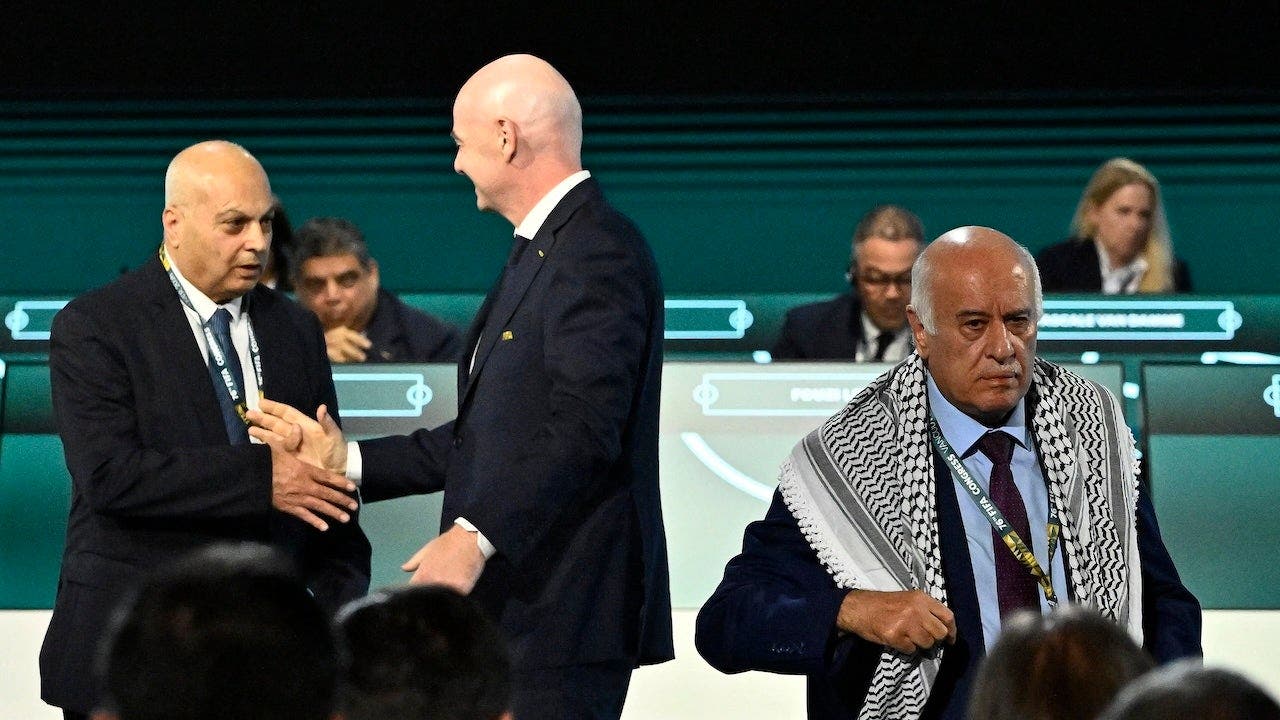
At the 76th FIFA Congress in Vancouver on April 30, 2026, Palestine Football Association President Jibril Rajoub refused to shake hands with or stand beside Israel Football Association Vice President Basim Sheikh Suliman when both were invited to the stage by FIFA President Gianni Infantino. Infantino briefly touched Rajoub’s arm and urged him to step forward, but Rajoub declined and left the stage. Rajoub said he respects legal processes but argued Israel should be sanctioned and that double standards must end; he cited the suffering of the Palestinian people and objected to being photographed with representatives he linked to Israeli political leaders. Suliman stressed that sport should be apolitical and emphasized values like respect and inclusion. Infantino called for cooperation and for the two sides to work together for children and hope. The article notes that the Palestinian FA has long pushed for Israel’s suspension from international competition, that UEFA had at one point been moving toward a suspension vote before pausing it, and that Infantino announced no action would be taken on Oct. 3 after a peace proposal earlier in the year. The piece includes direct quotes from both Rajoub and Suliman and places the incident in the broader context of disputes over Israeli teams’ participation in international sport amid the Gaza war and related political developments.
Biblical Reflection
This incident is a clear example of how sport often becomes a stage for political protest and symbolic action when deeper conflicts remain unresolved. Rajoub’s refusal to shake hands is a deliberate, public form of noncooperation intended to call attention to perceived injustice and demand accountability; Suliman’s response reflects a competing view that sport should protect inclusion and neutrality. From a Christian perspective, both impulses—demanding justice and pursuing reconciliation—are important. Scripture calls God’s people to pursue justice and to stand with the oppressed (e.g., Micah 6:8), yet it also commends peacemaking and reconciliation (e.g., Matthew 5:9). Christians should therefore be cautious about quickly endorsing either posture without discernment: symbolic acts of protest can be morally necessary and prophetic when other avenues have failed, but public gestures that harden divisions can also close doors to dialogue and practical help for civilians who suffer. The media framing of such moments often emphasizes drama and personalities over underlying realities; readers should look past the staged moment to ask what concrete policies, legal processes, or humanitarian effects lie behind it. Ultimately, the Christian response should seek truth, compassion for victims on all sides, and creative paths toward accountability and reconciliation rather than celebrating performative righteousness or ignoring real wrongdoing.
Scripture in context
This outlook does not yet include contextual Scripture citations. Do not treat a general biblical theme as an exegetical conclusion.
Faithful Response
No prescribed response is offered. Consider the reflection prompts below in your own church context.
Reflection and Discussion
- 1Is the public refusal of a handshake more likely to advance justice or to entrench division in this situation, and how can we evaluate its practical effects rather than its symbolic power?
- 2When a neutral space like sport becomes politicized, how should Christians weigh the call to protect inclusive institutions against the call to stand with those who say they are being denied justice?
- 3What concrete steps (legal, humanitarian, diplomatic) are being pursued beyond symbolic gestures, and how should Christians prioritize advocacy for those concrete measures?
Sources
Reporting links are evidence inputs; Sanctuary News' biblical reflection is commentary.
This outlook currently relies on fewer than two linked sources. Broaden verification before teaching from it.
- 1.Original reportprimary