News Summary
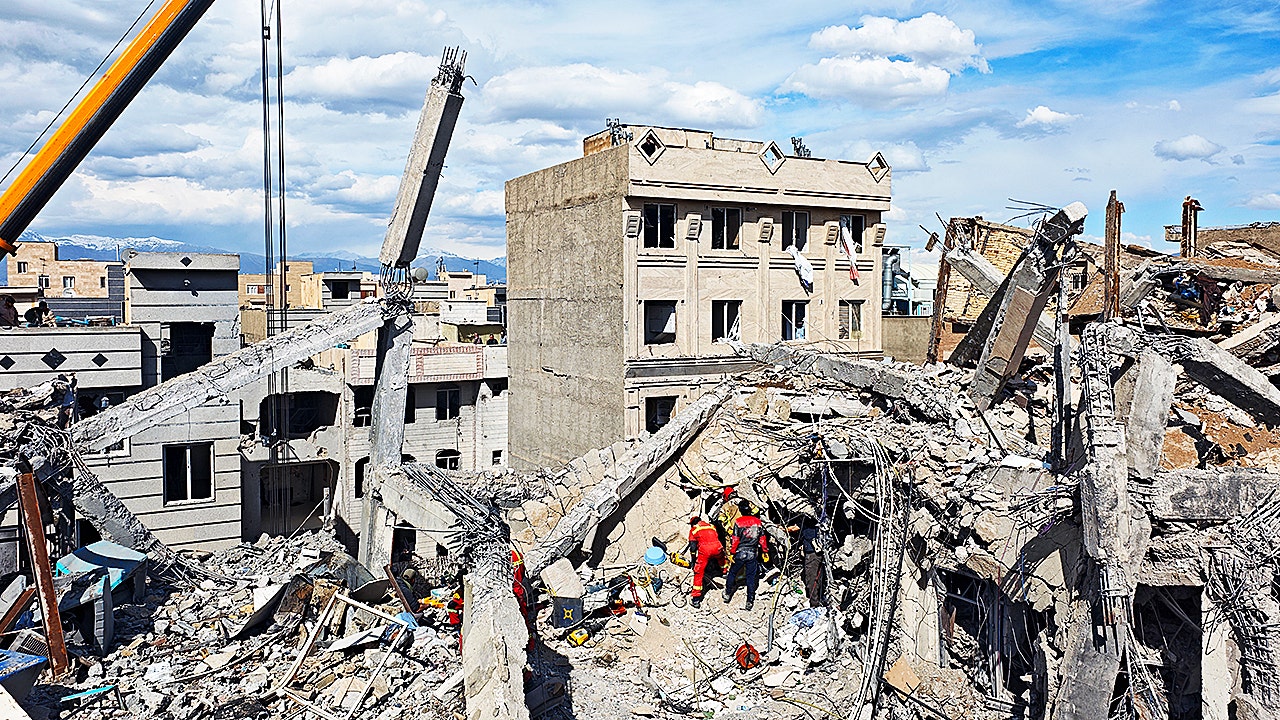
Pakistan’s U.S. ambassador, Rizwan Saeed Sheikh, said on Fox News that Iran’s damaged infrastructure and disrupted communications — which he described as making Iran "war-torn" — are slowing responses and complicating negotiations to de-escalate U.S.-Iran hostilities. Sheikh positioned Pakistan as a mediator willing to facilitate talks, noting Pakistan’s phone-level diplomacy with global leaders and pointing to Iran allowing some oil tankers through the Strait of Hormuz as a sign of confidence-building. President Donald Trump delayed a 48-hour deadline for Iran to clear the Strait of Hormuz, ordered a pause in U.S. strikes on Iranian power infrastructure amid negotiations, and said talks had been "very good" and could lead to a complete end of hostilities. The report also notes Pakistan faces its own border tensions and regional alliances that constrain strict neutrality, while Islamabad has both denounced strikes on Iran and backed a Gulf-led U.N. resolution condemning regional aggression.
Biblical Reflection
From a Christian perspective the central concerns are truth, the protection of civilians, and the pursuit of peace. The article reports statements and actions: a Pakistani diplomat offering mediation and a U.S. president extending a military-related deadline while pausing certain strikes. Scripture repeatedly calls believers to seek peace and to care for the vulnerable; when nations talk rather than escalate, that tendency aligns with Christian ethics. At the same time, readers should notice framing and emphasis: the description of Iran as "war-torn" and communication failures comes from a diplomat advocating mediation — his remarks explain logistical challenges but also serve Pakistan’s diplomatic positioning. The piece comes from a U.S. news outlet and highlights U.S. policy moves (the deadline extension and paused strikes), which may reflect an interest in U.S. decision-making and leverage. Christians should evaluate both the facts presented and what is left out: civilian suffering, humanitarian access, and voices from inside Iran receive limited attention here. In discerning the story, prioritize reliable facts (who said what, what actions were ordered) while being cautious about narratives that dehumanize or reduce complex societies to single labels. Pray for peace, advocate for protections for noncombatants, and encourage leaders toward negotiations that pursue justice as well as cessation of violence.
Scripture in context
This outlook does not yet include contextual Scripture citations. Do not treat a general biblical theme as an exegetical conclusion.
Faithful Response
No prescribed response is offered. Consider the reflection prompts below in your own church context.
Reflection and Discussion
- 1Whose perspectives are centered in this report, and what practical consequences follow when a story emphasizes state actions over humanitarian conditions?
- 2Does the article treat negotiation as a reasonable path to safety and justice, or primarily as a tactical delay in military action — and how should Christians weigh both peace-seeking and accountability?
- 3Are there signs of dehumanizing language or simplification that might make it harder to pray for, empathize with, and seek just outcomes for all civilians affected?
Sources
Reporting links are evidence inputs; Sanctuary News' biblical reflection is commentary.
This outlook currently relies on fewer than two linked sources. Broaden verification before teaching from it.
- 1.Original reportprimary