News Summary
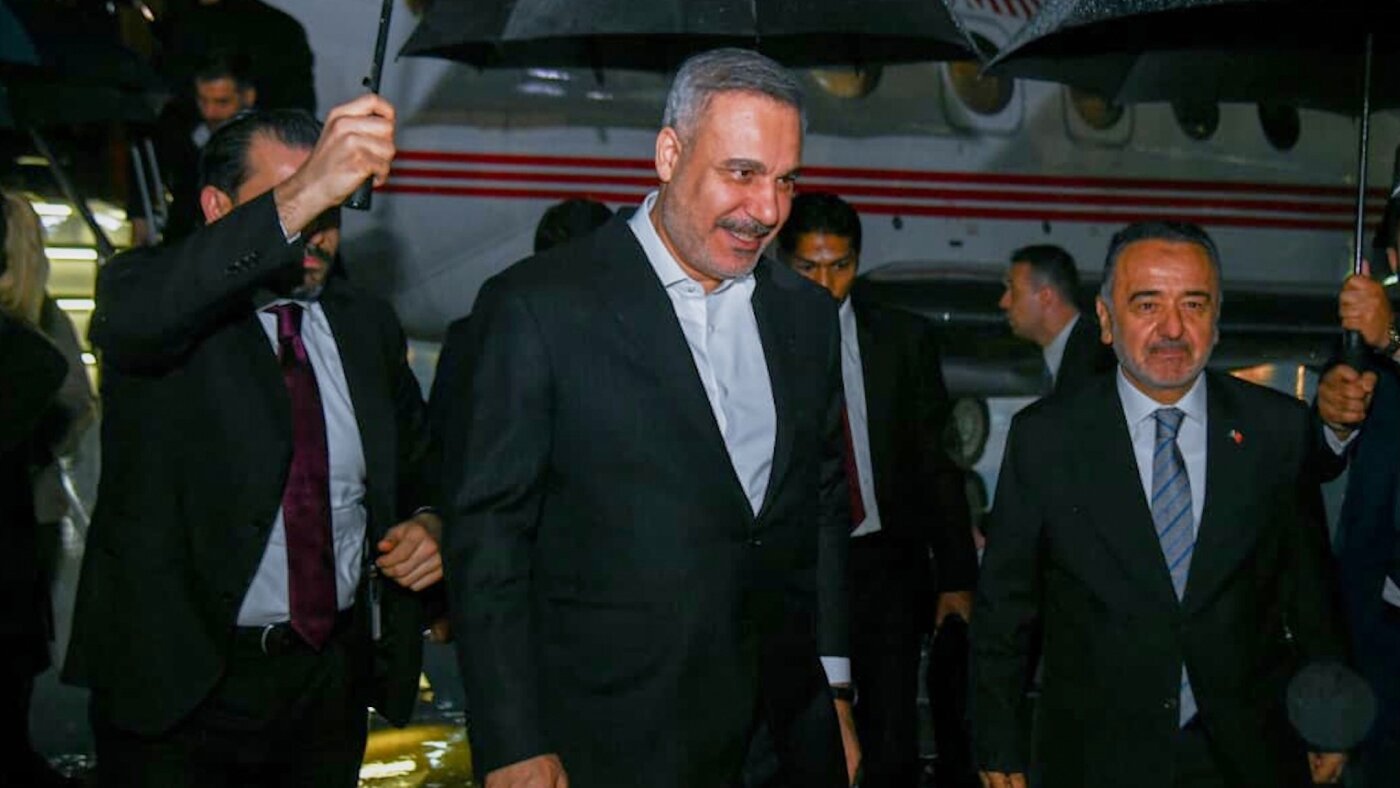
Foreign ministers from Pakistan, Saudi Arabia, Turkey and Egypt met in Islamabad (March 28–29, 2026) to discuss ways to de-escalate the ongoing Iran-related regional conflict. Pakistan has been engaging as a potential intermediary between the U.S. and Iran and said Iran agreed to allow passage of 20 Pakistan-flagged ships through the Strait of Hormuz (about two per day). The meeting aims to coordinate stances and support political solutions, though it is unclear whether any consensus would be accepted by the U.S., Israel or Iran.
The conflict has expanded beyond Israel and Iran. Iran carried out strikes around Tel Aviv and Jerusalem and reportedly used cluster munitions; Israel said it carried out wide-scale strikes at weapons production and storage sites. Iran and Iran-linked groups have launched missiles and drones at Gulf countries and U.S. bases; the Pentagon reports U.S. casualties (13 killed overall and over 300 injured since the war began) and recent wounded at a Saudi base hosting U.S. troops. Several thousand additional U.S. forces, including the 31st Marine Expeditionary Unit and deployments from the 82nd Airborne, were sent to the region.
Yemen’s Houthi militants launched a missile toward Israel (intercepted by Israel), marking their first such strike since the war began and opening another front of concern; the Houthis have said attacks will continue until they stop what they call aggression on resistance fronts. The Houthis previously attacked commercial shipping in the Red Sea, and there are worries renewed Houthi attacks would further disrupt global shipping amid an effective Iranian blockade of the Strait of Hormuz.
Separately, Israeli strikes in southern Lebanon have intensified amid ground operations against Hezbollah; three Lebanese journalists were killed in an Israeli strike in Jezzine, prompting Lebanese officials to call it a violation of international law. Reports describe civilian casualties and damage across multiple countries. Iran alleged U.S.-Israeli strikes hit a Tehran university and the Revolutionary Guard issued warnings to American university campuses in the Middle East. Multiple countries have reported intercepting missiles and drones; the UAE and Bahrain reported damage to industrial sites.
The situation remains fluid, with military actions and diplomatic outreach occurring simultaneously and with uncertain prospects for containment or a negotiated halt to hostilities.
Biblical Reflection
From a Christian perspective, the article highlights both the desperate need for peacemaking and the tragic human cost of prolonged conflict. The news coverage centers on state actors, military movements, and diplomatic initiatives; this focus is necessary for understanding geopolitics but can obscure the suffering of civilians and the moral urgency of protecting noncombatants. Christians should note the credible efforts at diplomacy—Pakistan hosting regional ministers and passing messages—as signs that God can work through human peacemakers (Matthew 5:9). At the same time, beware binary or partisan framings that reduce complex human beings to enemies or mere strategic assets. Media and official statements may emphasize military metrics (troop movements, strikes, casualties) and coalition positions while underreporting displacement, hunger, or the voices of ordinary people.
Discernment matters: verify contested claims (for example, accusations that individual journalists were militants) and be cautious about accepting one-sided narratives that might be propaganda or incomplete. The Christian response is to pray for justice and protection for the vulnerable, to support truthful reporting and humanitarian relief, and to encourage leaders toward patient, honest diplomacy rather than escalation. Christians can also resist dehumanizing rhetoric, advocate for the protection of civilians (including health workers and journalists), and hold to the biblical call to seek peace and pursue it even amid geopolitical complexity.
Scripture in context
This outlook does not yet include contextual Scripture citations. Do not treat a general biblical theme as an exegetical conclusion.
Faithful Response
No prescribed response is offered. Consider the reflection prompts below in your own church context.
Reflection and Discussion
- 1Which voices and human costs are missing from this coverage (civilians, displaced families, medical and relief workers), and how does that absence shape our view of the conflict?
- 2How might geopolitical priorities (security, trade routes, alliances) be influencing which diplomatic initiatives are amplified, and how should that temper our judgments about proposed solutions?
- 3In what ways can Christians guard against dehumanizing broad groups while still speaking truth about injustice and protecting the innocent?
Sources
Reporting links are evidence inputs; Sanctuary News' biblical reflection is commentary.
This outlook currently relies on fewer than two linked sources. Broaden verification before teaching from it.
- 1.Original reportprimary